Slow travel has become a popular way to explore the world in a more meaningful and sustainable way. This guide will help Grade 9 students plan their own slow travel vacation, offering practical steps, tips, FAQs, and key insights for an unforgettable experience.
What is Slow Travel and Why Choose It?
Definition of Slow Travel
Slow travel means spending more time in one place, connecting deeply with local culture, and moving at your own pace. It is about quality over quantity, focusing on authentic experiences rather than rushing to see as many sights as possible.
Benefits of Slow Travel Vacations
- More relaxed and less stressful
- Better connections with local communities
- Lower environmental impact
- Opportunity to learn new skills
- Greater appreciation for local culture and nature
Slow Travel vs. Traditional Tourism
| Slow Travel | Traditional Tourism |
|---|---|
| Extended stays | Short visits |
| Immersive experiences | Quick tours |
| Focus on local life | Focus on main attractions |
Choosing the Right Destination for Slow Travel
Top Destinations for Slow Travel in 2026
- Tuscany, Italy
- Kyoto, Japan
- Barcelona, Spain
- Kerala, India
- Vancouver Island, Canada
Factors to Consider for Slow Travel Destinations
- Cultural richness
- Safety and accessibility
- Local environment and sustainability
- Availability of slow travel-friendly accommodation
- Public transport options
How to Research Local Culture and Communities
- Read books and articles about the destination
- Follow local news and blogs
- Join travel forums and social media groups
- Communicate with locals using language apps
- Look for community events and volunteer opportunities
Creating Your Slow Travel Itinerary
Planning Flexible Schedules
- Set your main travel dates, but leave free time for spontaneous activities
- Use online calendars to block out rest days
- List must-see places and keep room for offbeat experiences
- Check local event calendars for festivals or workshops
Selecting Activities That Reflect Slow Travel Values
- Cooking classes with local chefs
- Nature walks and hikes
- Art or craft workshops
- Community volunteering
- Visits to local markets and farms
Balancing Leisure and Exploration
- Alternate busy days with quiet days
- Schedule regular breaks to relax
- Limit daily activities to avoid exhaustion
- Embrace downtime for reflection and journaling
Accommodation Tips for Slow Travelers
Finding Eco-Friendly Lodging
- Search for hotels with green certifications
- Consider hostels or guesthouses that use sustainable practices
- Read reviews about energy and water saving efforts
- Book directly to support small businesses
Staying with Locals and Home Exchanges
- Explore platforms like Couchsurfing, HomeExchange, or TrustedHousesitters
- Contact hosts early to discuss expectations
- Respect house rules and local customs
- Share meals and stories for cultural exchange
Booking Long-Term Rentals
- Use websites such as Airbnb or Vrbo for monthly stays
- Negotiate prices for longer stays
- Choose properties near public transport and community centers
- Verify amenities for comfort during extended periods
Sustainable Transportation Options for Slow Travel
Using Trains, Bikes, and Walking
- Plan train journeys for intercity travel
- Rent bicycles for local exploration
- Map walking routes for sightseeing
- Consider group transport for longer trips
Minimizing Travel Footprint
- Choose direct routes to reduce emissions
- Travel during off-peak hours
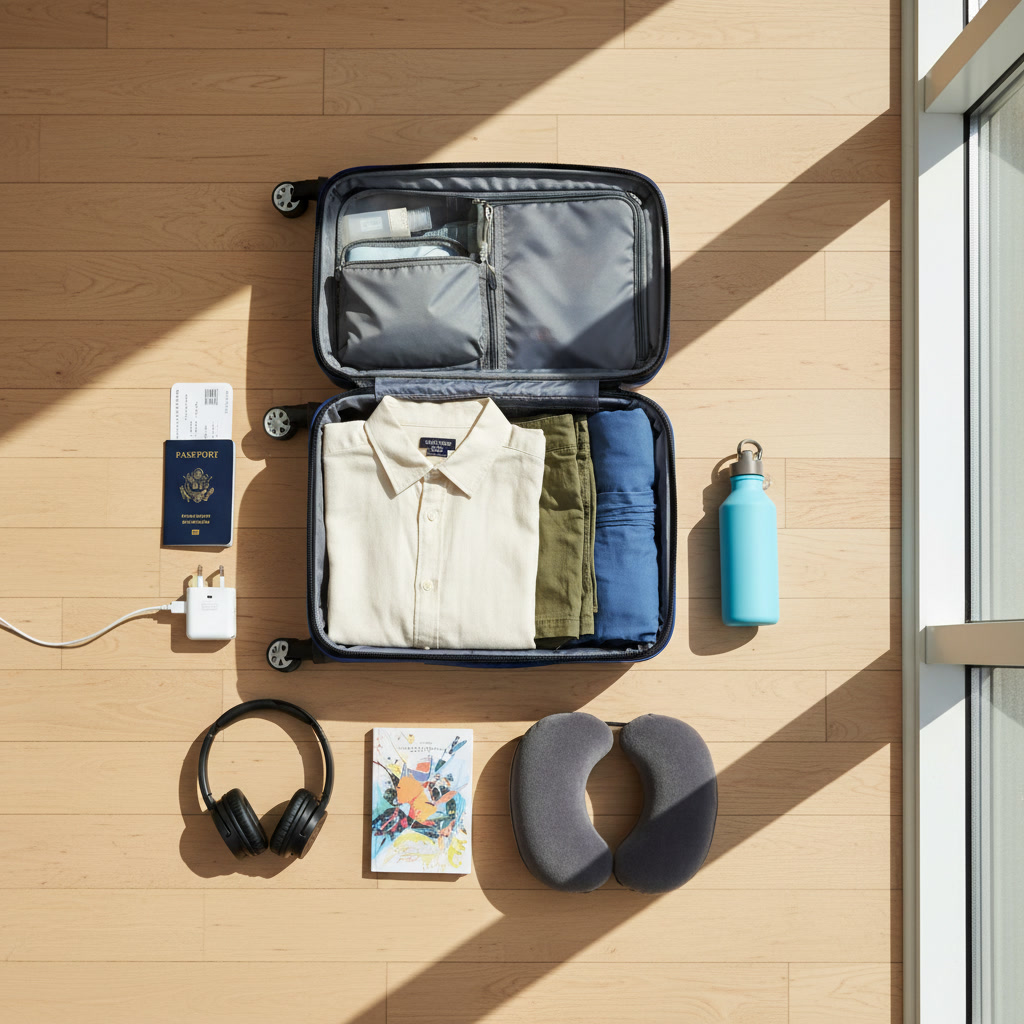
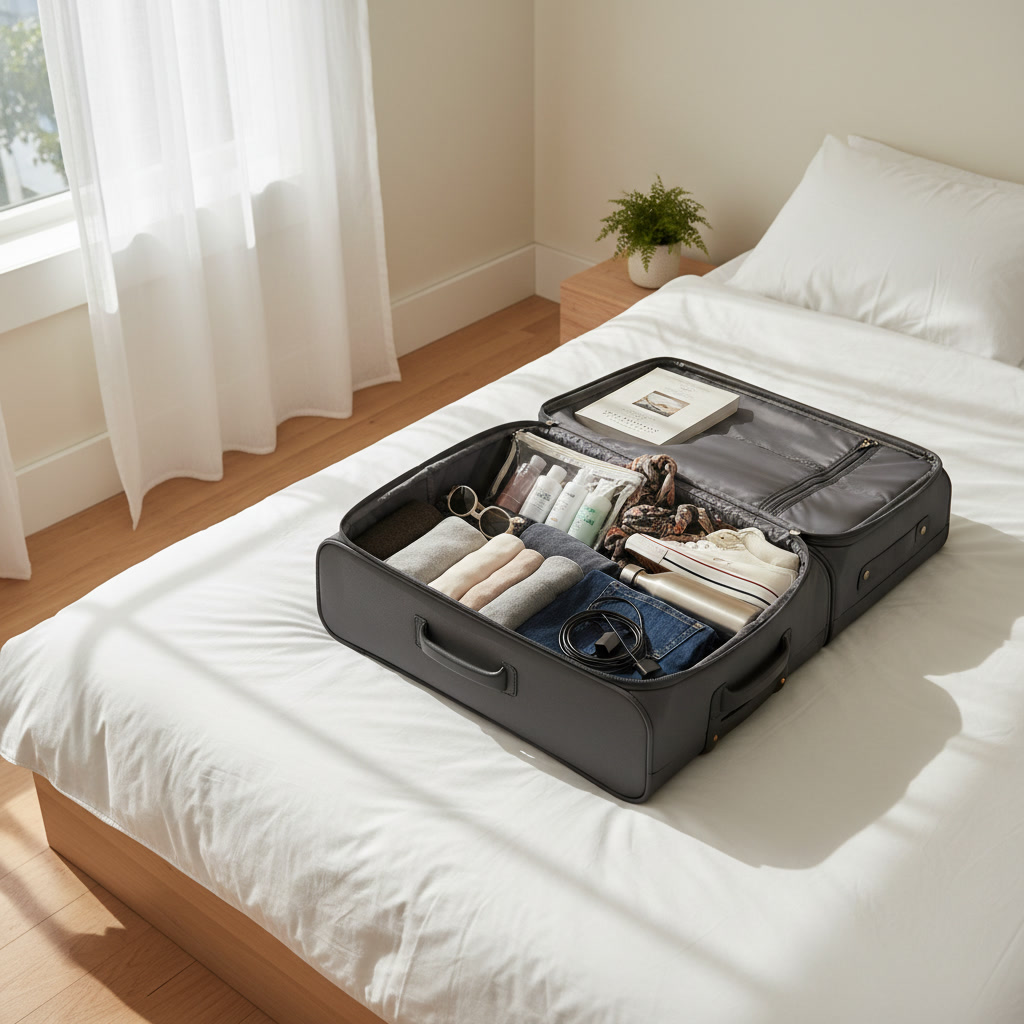
- Pack light to avoid extra energy use
- Carpool or use eco-friendly shuttles
Navigating Public Transit Systems
- Download transit apps for schedules and routes
- Buy multi-day or monthly tickets for savings
- Learn basic phrases for ticket buying and directions
- Ask locals for tips on avoiding crowded times
Embracing Local Experience During Your Slow Travel Vacation
Connecting with Local Communities
- Attend neighborhood meetings
- Participate in group sports or classes
- Join cultural tours led by locals
- Share meals at local restaurants
Participating in Cultural Events and Workshops
- Search for festivals, fairs, and concerts
- Sign up for traditional crafts or dance lessons
- Visit museums and historical sites with local guides
- Volunteer at community projects
Supporting Local Businesses
- Shop at local stores and markets
- Eat at independently owned cafes and restaurants
- Buy souvenirs made by local artisans
- Use local guides and tour companies
Budgeting and Financial Planning for Slow Travel
Creating a Slow Travel Budget
- List expected expenses: food, accommodation, transport, activities
- Research average prices in your destination
- Build in extra funds for emergencies or spontaneous events
- Monitor spending with budgeting apps
Money-Saving Tips and Resources
- Travel during off-season for lower prices
- Use discount cards for students and youth
- Cook meals instead of eating out daily
- Apply for scholarships or grants for cultural exchange
- Utilize free public events and museums
Managing Expenses for Long-Term Travel
- Track daily and weekly expenses
- Adjust plans based on budget changes
- Find paid opportunities like teaching or freelance work
- Split costs with fellow travelers
Common Mistakes and How to Avoid Them in Slow Travel Planning
Overplanning vs. Underplanning
- Avoid rigid schedules; keep plans flexible
- Don’t book too many activities in advance
- Leave room for spontaneity
- Prepare basic essentials; avoid being totally unprepared
Failing to Adapt to Local Pace
- Observe how locals spend their days
- Adjust your routine to match local rhythms
- Allow time for unexpected delays
- Don’t rush through experiences; savor each moment
Not Prioritizing Meaningful Experiences
- Choose activities that match your interests and values
- Skip tourist traps in favor of authentic locations
- Set personal goals for learning and connecting
- Reflect daily on what you have gained
FAQ: Slow Travel Vacation Planning (2026)
Is slow travel safe for solo travelers?
Yes, slow travel can be safe for solo travelers. Always research the destination, stay connected with family or friends, and follow local safety advice.
How do you balance connectivity with unplugging?
Set specific times for checking your phone or social media. Use offline tools like maps or journals and take days off from digital devices to fully engage with your surroundings.
What are top slow travel apps and resources in 2026?
- Travel Mapper for flexible itineraries
- EcoStay for sustainable accommodation
- LocalMeet for community events
- GreenWay for eco-friendly transport options
- BudgetTrack for managing expenses
Summary: Key Points and Next Steps
Slow travel offers an enriching alternative to traditional tourism, focusing on cultural immersion, sustainability, and meaningful experiences. Start by choosing a destination, planning a flexible itinerary, picking eco-friendly lodgings, embracing local life, and keeping a careful budget. Avoid common mistakes like overplanning or missing out on authentic moments. Use this guide as your checklist for each phase, and let curiosity lead the way to your next slow travel adventure!