Why Strength Training at Home Is Effective in 2026
Benefits of Home-Based Strength Training
Strength training at home offers flexibility and convenience. You can schedule workouts around your daily routine, avoid crowded gyms, and save money on memberships. Home workouts also help build discipline and make fitness accessible for everyone. In 2026, improved online tools allow you to track progress, follow virtual trainers, and connect with workout communities remotely.
- Save time by working out at home
- Reduce costs—no gym fees or travel expenses
- Build confidence in a private setting
- Adjust routines for your needs
- Access online resources easily
Common Myths and Misconceptions
Many believe that effective strength training requires heavy gym equipment, but bodyweight exercises and simple tools can build significant strength. Some think home workouts are less intense, yet studies show consistent progress is possible with proper guidance and effort. Others worry about injury, but learning correct form and safety tips makes home training safe and productive.
What You Need to Start Strength Training at Home
Essential Equipment vs. Bodyweight Options
You do not need expensive gear to start strength training. Basic tools help, but many routines use only your own body weight. Here is a comparison:
| Equipment | Benefits | Examples |
|---|---|---|
| Bodyweight | Free, easy to adapt, safe for beginners | Push-ups, squats, lunges |
| Minimal Equipment | Increases workout options, adds resistance | Resistance bands, dumbbells, kettlebells |
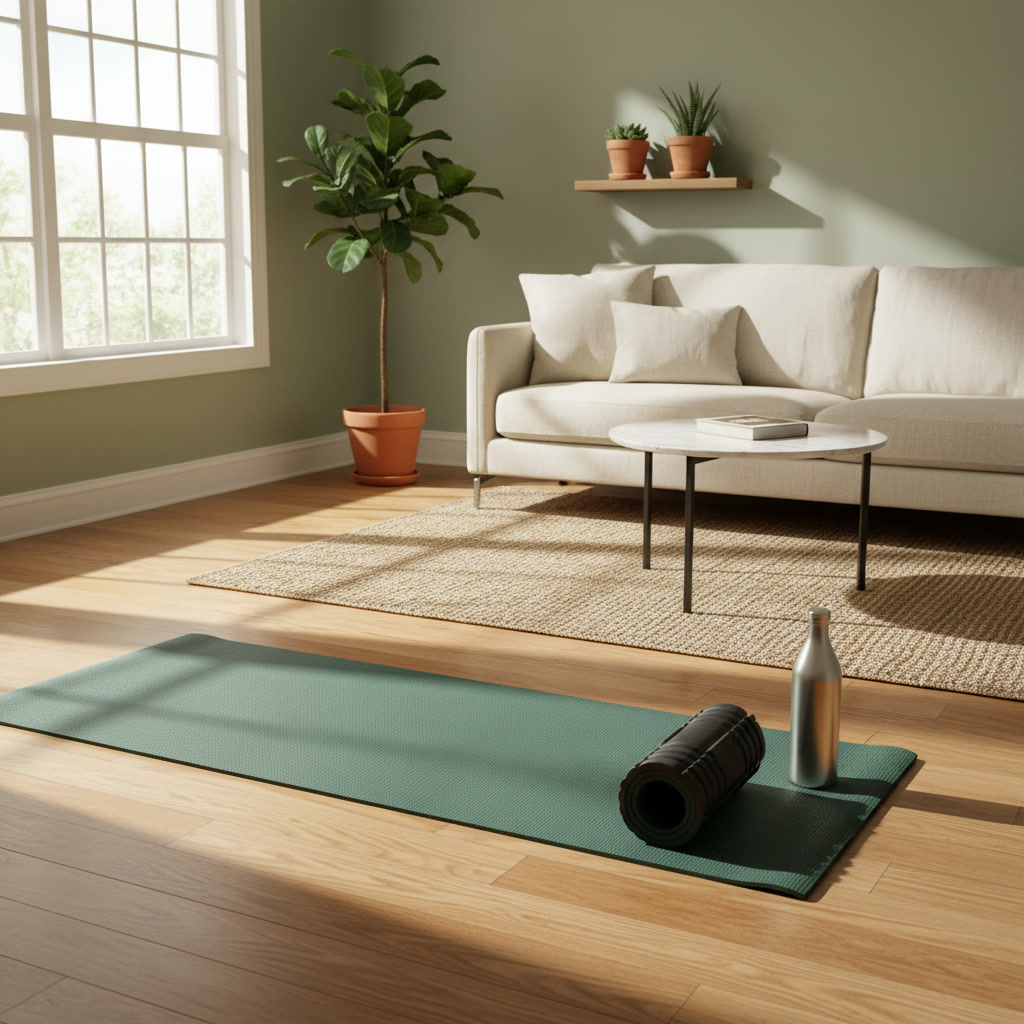
| Optional Extras | Supports comfort, helps measure progress | Yoga mat, water bottle, fitness tracker |
Creating a Dedicated Workout Space
A safe, comfortable space is key. Clear an area about 2 x 2 meters—enough to move freely. Keep your equipment organized nearby. Minimize distractions and ensure good lighting. If possible, use a room with ventilation. Having a set space signals your mind that it is time for exercise.
- Choose a quiet spot
- Keep essentials within reach
- Remove clutter and obstacles
- Set up music or workout timer if needed
Strength Training Basics for Beginners
Key Principles: Reps, Sets, and Progression
Strength training uses repetitions (reps) and sets. A rep is one complete movement; a set is a group of reps. Beginners start with 8-12 reps and 2-3 sets per exercise. Progression means increasing reps, sets, or the difficulty as you get stronger. Always aim to improve a little at a time.
- Rep: One movement, like a push-up
- Set: A group of reps, such as 10 push-ups
- Progression: Gradually increase reps, sets, or add resistance
Understanding Proper Form and Safety
Using correct form prevents injuries and gets better results. Focus on controlled movements, stable posture, and breathing. Always warm up before starting. If unsure, watch trusted video guides or ask a trainer online. Listen to your body—stop if you feel pain.
- Warm up with light cardio and dynamic stretches (5 minutes)
- Practice slow, controlled movements
- Keep your back straight and core engaged
- Exhale during effort, inhale during recovery
- Rest between sets (1-2 minutes)
Step-by-Step Plan to Begin Strength Training at Home
Setting Realistic Goals in 2026
Start with clear, achievable goals. Examples: Increase push-ups by 5 reps in 4 weeks, complete three workouts each week, or improve squat form. Use SMART goals (Specific, Measurable, Achievable, Relevant, Time-bound).
- Write your goal: e.g., “Do 15 push-ups without stopping”
- Set a timeframe: e.g., “Achieve this in 6 weeks”
- Track your progress weekly
Designing Your First Week of Workouts
Start with beginner-friendly exercises. Combine upper-body, lower-body, and core movements. Spread your workouts over 3 days, with rest days in between.
- Day 1: Push, squat, plank
- Day 2: Rest or easy stretching
- Day 3: Lunge, row (with bands), crunch
- Day 4: Rest
- Day 5: Repeat Day 1
- Day 6-7: Rest and optional light activity
Example Beginner Strength Training Routine
| Exercise | Reps | Sets | Notes |
|---|---|---|---|
| Push-ups | 8-12 | 2-3 | Use knees if needed |
| Squats | 12-15 | 2-3 | Keep back straight |
| Plank | 20-30 seconds | 2 | Focus on core stability |
| Lunges | 10 per leg | 2 | Step forward, bend knees |
| Resistance band row | 12 | 2 | Pull band toward chest |
| Crunches | 15 | 2 | Lift shoulders off floor |
Tracking Progress and Staying Motivated
Useful Apps and Tools in 2026
Modern apps help track workouts and progress. Choose simple trackers or advanced options with video feedback. Popular apps in 2026 include workout logs, virtual coaches, and AI form checkers. Fitness trackers monitor heart rate and reps.
- Workout tracking apps (like FitGoal, StrongLog)
- Virtual coaching platforms
- Smart watches and fitness bands
- Online workout communities for support
Tips to Stay Consistent
Consistency is key to progress. Set workout reminders, plan sessions at the same time each day, and celebrate milestones. Ask friends or family to join. Change routines occasionally to keep motivation high.
- Set a weekly workout schedule
- Make workouts enjoyable—play music
- Track your improvements
- Reward yourself for milestones
- Join online groups for accountability
Troubleshooting: Overcoming Common Challenges
How to Avoid Injury at Home
Prevent injury by warming up, checking form, and not rushing progress. Stay hydrated and listen to your body. If pain occurs, stop and rest. Use trusted guides or app videos to learn proper technique.
- Warm up before every session
- Start with easy exercises
- Use correct posture and technique
- Rest if you feel discomfort
- Seek expert advice online if unsure
Adapting Your Routine for Limited Space or Equipment
If space or equipment are limited, focus on bodyweight exercises, modify movements, or try resistance bands. Use walls or chairs for support, and make creative use of your environment.
- Do exercises like push-ups or planks in small spaces
- Use a sturdy chair for step-ups or tricep dips
- Try resistance bands for added challenge
- Adjust rep and set numbers to match your capacity
Frequently Asked Questions About Starting Strength Training at Home
- Do I need equipment to start? No, bodyweight exercises work well.
- How often should I train? 2-3 times per week is great for beginners.
- What if I can't do an exercise? Modify the movement or try easier variations.
- Is strength training safe at home? Yes, with proper form and safety steps.
- How long before I see results? Usually 4-6 weeks with consistent effort.
Additional Resources and Next Steps for Home Strength Training
- Visit trusted fitness websites for beginner guides
- Follow workout videos from certified trainers
- Read books or articles on strength training fundamentals
- Try virtual classes to build skills
- Connect with online forums for advice and support
Summary: Starting strength training at home is accessible and effective. Begin with clear goals, basic exercises, and a structured plan. Track progress using modern tools and stay motivated with routine changes and social support. Adapt your workouts for your space and needs, prioritize safety, and use online resources to improve. Your next step is to set a fitness goal and begin your first routine this week. Consistency will bring lasting results—start today!