Why Choose a Simple Full-Body Workout Without Equipment?
Benefits of Equipment-Free Training
Equipment-free workouts are practical, cost-effective, and accessible. You can train anywhere, anytime, without investing in costly gym memberships or tools. Bodyweight routines improve strength, flexibility, and endurance. These exercises simulate natural movement, reducing injury risk and promoting functional fitness.
- No need for special equipment
- Suitable for beginners to advanced levels
- Enhances balance and coordination
Who Can Benefit from This Routine?
This workout is perfect for grade 9 students, home fitness enthusiasts, and anyone seeking a simple yet effective full-body training method. Whether your goal is to stay active, lose weight, or build muscle, a no-equipment approach fits all lifestyles.
Before You Start: Preparing for Your Full-Body Workout
Optimal Space and Safety Considerations
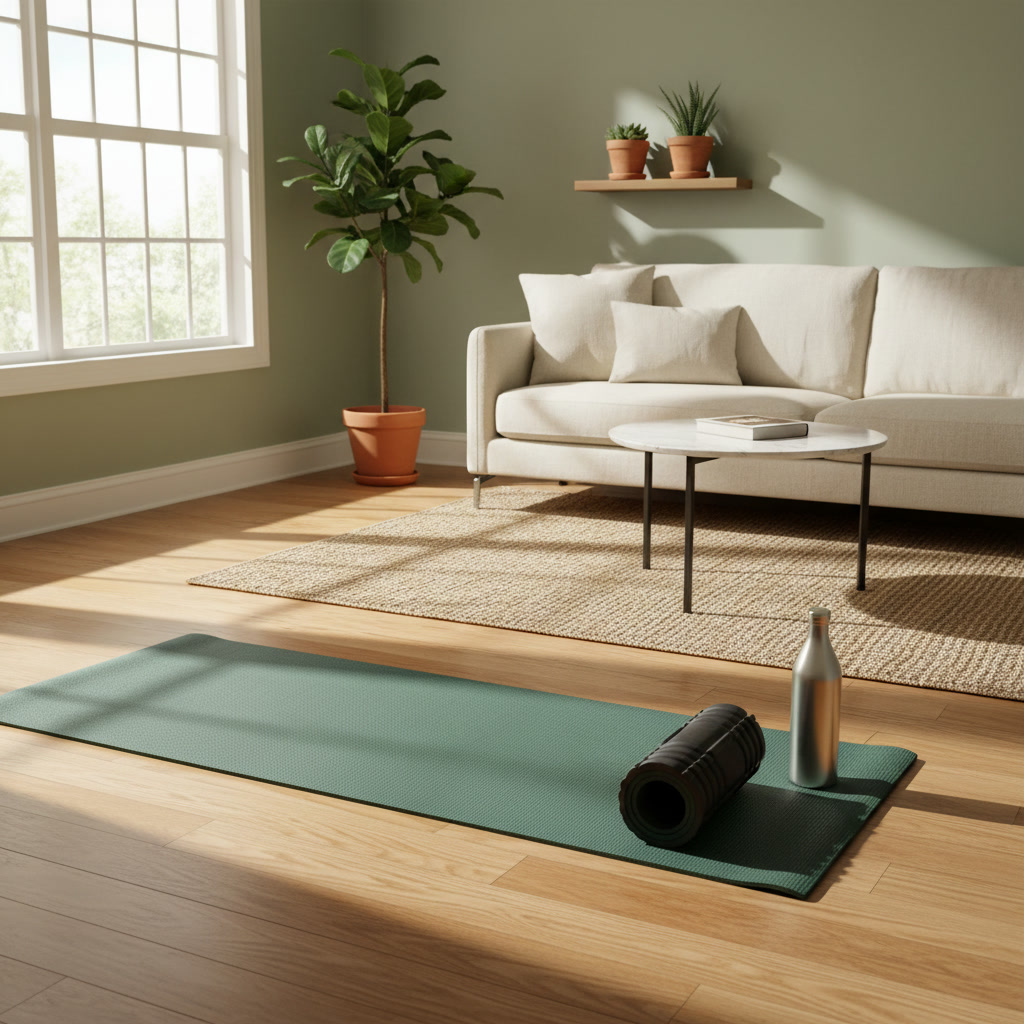
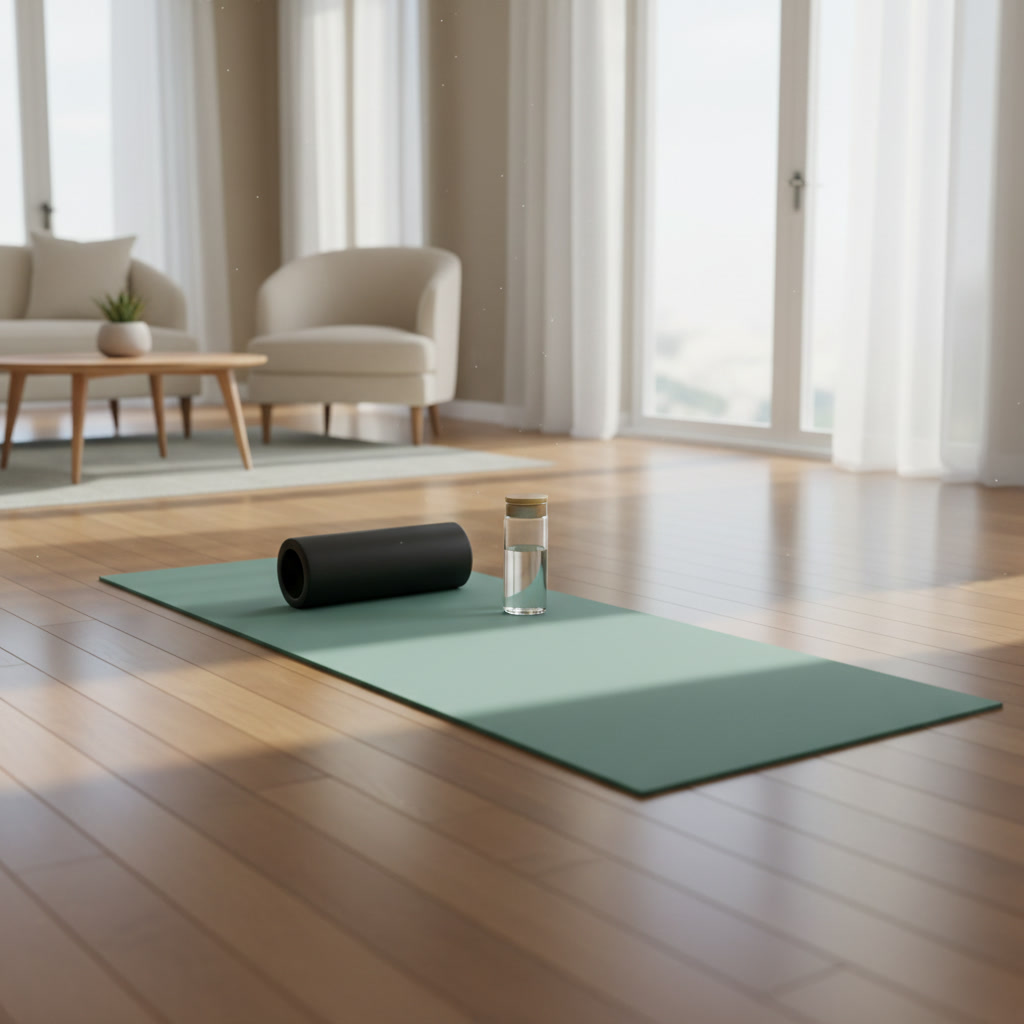
- Choose a flat, non-slip surface like carpet or mat.
- Ensure adequate space to stretch and move freely.
- Remove sharp objects and obstacles.
- Wear comfortable athletic clothing.
Warm-Up Essentials for Injury Prevention
Always warm up to prepare your muscles and joints for exercise. This helps prevent strains and boosts performance.
- Jumping Jacks: 1 minute to activate circulation.
- Arm Circles: 30 seconds each direction for shoulder flexibility.
- Leg Swings: 10 per leg for hip mobility.
- Light jogging in place: 1 minute for overall readiness.
The Ultimate Simple Full-Body Workout Without Equipment
Bodyweight Circuits Overview
This routine uses bodyweight circuits to target all major muscle groups. Complete each step consecutively for full-body activation.
Step 1: Upper Body Exercises (No Equipment)
- Push-Ups: 3 sets of 10-15 reps.
- Tricep Dips (on floor): 3 sets of 12 reps.
- Plank Shoulder Taps: 3 sets of 10 per side.
Instructions: Start with push-ups, keeping your body straight. Move on to tricep dips—place hands behind you on the floor, bend elbows to lower your body. For plank shoulder taps, hold a plank and tap each shoulder with the opposite hand.
Step 2: Lower Body Workouts with Just Your Body
- Squats: 3 sets of 15 reps.
- Lunges: 3 sets of 10 per leg.
- Glute Bridges: 3 sets of 12 reps.
Instructions: For squats, stand feet shoulder-width, lower hips as if sitting. Lunges involve stepping forward, dropping back knee. Glute bridges require lying on your back, feet flat, then lifting hips.
Step 3: Core Movements for Stability and Strength
- Crunches: 3 sets of 15 reps.
- Mountain Climbers: 3 sets of 20 reps.
- Superman: 3 sets of 10 reps.
Instructions: Crunches target the abs. Mountain climbers raise heart rate and strengthen the core. Superman involves lying face down, raising arms and legs to strengthen the back.
Step 4: Cardio Intervals for Full-Body Burn
- High Knees: 3 sets of 30 seconds.
- Burpees: 3 sets of 8 reps.
- Jump Squats: 3 sets of 10 reps.
Instructions: High knees involve running in place, lifting knees high. Burpees combine squat, push-up, and jump. Jump squats add explosive movement to standard squats.
Progression and Customization: Adapting Your Equipment-Free Workout
How to Increase Difficulty and Intensity
- Increase reps or sets gradually
- Shorten rest periods between circuits
- Add single-leg or plyometric variations
- Combine exercises for supersets
Adjusting the Routine for Various Fitness Levels
- Beginner: Reduce sets and reps, take longer rest
- Intermediate: Follow prescribed numbers
- Advanced: Add extra circuits or experiment with challenging versions (e.g., clap push-ups, pistol squats)
Common Mistakes and How to Avoid Them in No-Equipment Workouts
- Poor form—focus on correct posture to prevent injury
- Skipping warm-up or cooldown—always include both
- Doing too much too soon—progress gradually
- Neglecting hydration and nutrition—stay fueled
FAQ: Simple Full-Body Workout Without Equipment
- How often should I do this routine? For grade 9 students, 3-4 sessions per week is optimal.
- Can I modify these exercises? Yes, adjust reps and difficulty to match your ability.
- Will I build muscle without equipment? Yes, with consistent effort and increased challenge.
- What if I get tired? Take breaks, but don't skip exercises.
- How long should the entire workout last? 25-35 minutes, including warm-up and cooldown.
Resources and Inspiration for At-Home Fitness in 2026
- Online workout videos for guidance
- Fitness tracking apps for progress
- Community challenges and online support
- Health and wellness blogs
In summary, a simple full-body workout without equipment provides a flexible, powerful approach to fitness. This step-by-step guide supports grade 9 users and anyone aiming for effective results at home. Stay consistent and gradually increase your challenge. Remember, the key is to move with care, listen to your body, and keep your routine varied for lasting progress. Start today—your strongest self is just a workout away!