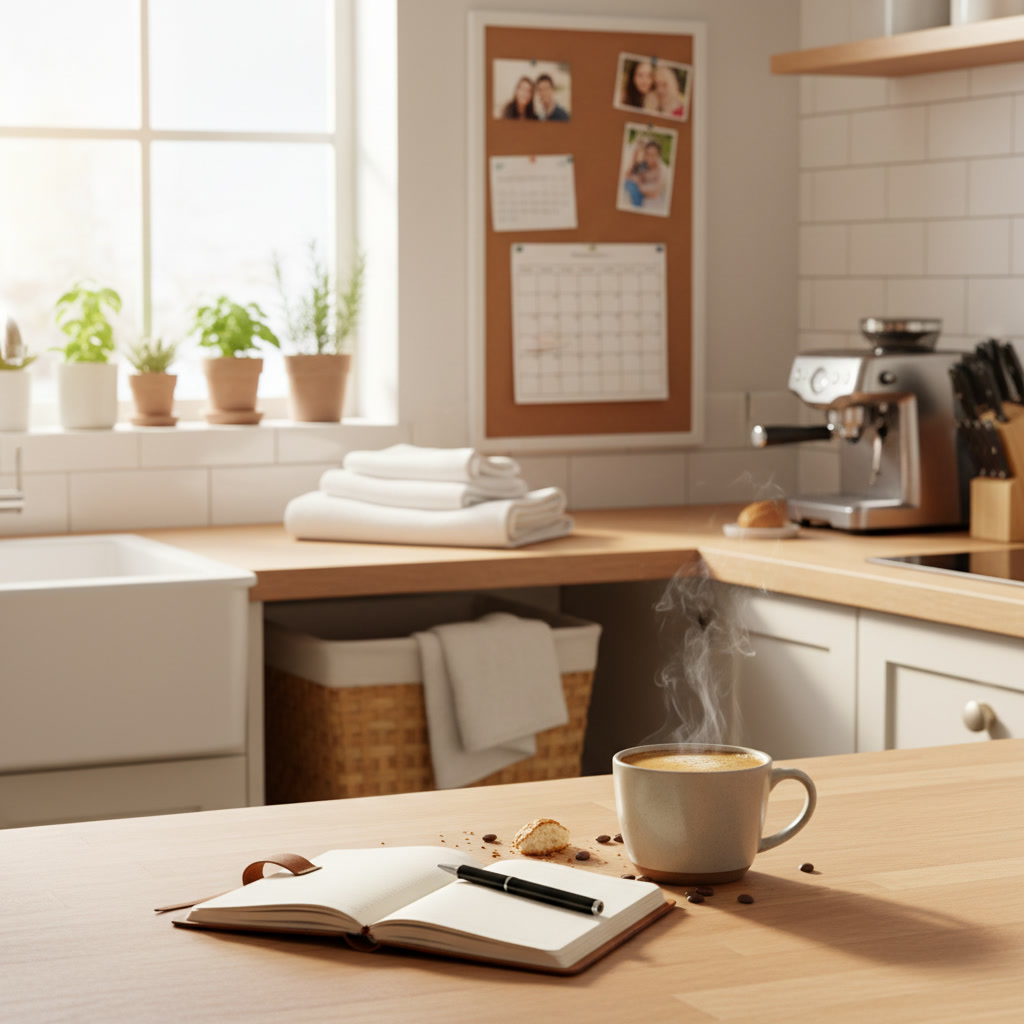
Why Daily Routines Matter for Stay-at-Home Moms
Benefits of a Structured Schedule
Creating a daily routine helps stay-at-home moms manage their time better. Organizing the day allows for smoother mornings, productive afternoons, and restful evenings. A structured schedule supports both moms and their children, making sure everyone knows what to expect.
- Reduces stress from rushing or forgetting tasks
- Helps balance household chores, childcare, and personal time
- Encourages healthy habits for the whole family
- Promotes a sense of accomplishment by achieving daily goals
Impact on Mental Health and Productivity
Routines directly influence mental health. Predictable schedules can decrease anxiety and increase productivity for moms at home. A routine supports self-care, improves mood, and helps manage energy throughout the day.
- Less overwhelming feelings due to clear priorities
- Improved focus with set times for each activity
- More opportunities for relaxation
- Enhanced family harmony
Key Elements of the Best Daily Routines for Stay-at-Home Moms
Morning Routine Ideas for Moms
- Wake up early and enjoy a quiet moment before children rise
- Have a healthy breakfast with the family
- Review your plan for the day
- Get dressed and ready for the day
- Engage in quick self-care activities, such as stretching or meditation
Afternoon Routine Strategies
- Establish regular lunch and nap times for children
- Schedule learning or creative activities, like reading or crafts
- Complete household chores in small chunks
- Bring children outdoors or play active games
Evening Wind-Down Rituals
- Prepare a family dinner together
- Set a calm bedtime routine—including baths, storytelling, or reading
- Reflect on the day’s achievements and lessons
- Take time for personal relaxation after children are asleep
Tailoring Daily Routines to Your Family’s Needs
Adapting to Children's Ages and Activities
Children’s routines vary by age. Younger kids need more structure, while school-aged children benefit from flexibility. Adjust routines as children grow and their interests change.
- Include playtime and nap for toddlers
- Offer homework and hobby time for older children
- Allow for regular breaks and snacks for all ages
Balancing Self-Care and Childcare
- Set aside time for self-care—even if just ten minutes
- Share tasks when possible with a partner or older children
- Use quiet moments for reading, journaling, or connecting with friends
- Plan family activities that are enjoyable for mom, too
How to Build and Stick to the Best Daily Routine for Stay-at-Home Moms
Setting Realistic Goals and Expectations
- Write down your daily goals for family, home, and yourself
- Prioritize tasks based on need and time available
- Break larger tasks into manageable steps
- Be flexible and forgiving if plans change
Tips for Staying Consistent
- Use visual schedules, planners, or checklists
- Set reminders for key tasks or transitions
- Reward yourself and your children for sticking to routines
- Review and adjust routines regularly for improvement
Overcoming Common Challenges in Daily Routines for Stay-at-Home Moms
Dealing with Interruptions and Unexpected Events
- Accept that interruptions happen
- Keep a basic routine as a backup plan
- Communicate changes to children calmly
- Focus on the most important tasks if time is short
Time Management Tools and Apps
| Tool/App | Purpose |
|---|---|
| Google Calendar | Schedule activities and send reminders |
| Todoist | Create daily checklists and organize tasks |
| Cozi Family Organizer | Share routines and calendars with family |
| Trello | Track progress on family projects |
| Timer apps | Manage focus and break times |
Frequently Asked Questions: Best Daily Routines for Stay-at-Home Moms
- How strict should my daily routine be? Your routine should be structured but flexible to handle changes.
- What if I can’t finish all my tasks? Prioritize important tasks and feel free to carry others over to the next day.
- How can I include self-care without neglecting the kids? Schedule self-care as part of your routine and try to combine it with family time when possible.
- What’s the best way to adapt routines as kids grow? Review routines monthly and adjust for new needs and interests.
Preparing for the Best Daily Routine: Tools and Materials Needed
- Paper planners or digital scheduling apps
- Activity supplies (craft materials, books, outdoor toys)
- Healthy snacks and meal ingredients
- Quiet time aids (music, books, meditation resources)
- Family calendar and checklist boards
Step-by-Step Tutorial: Creating the Best Daily Routine
Step 1: Identify Family Needs and Priorities
- List each family member’s daily requirements, including meals, naps, learning, and play
- Discuss routines and priorities with your partner or older children
- Determine the balance between household chores, childcare, and personal time
Step 2: Design Your Template Schedule
- Divide your day into morning, afternoon, and evening segments
- Add fixed activities like meals, naps, and bedtime
- Decide on flexible slots for hobbies, outings, and chores
Step 3: Gather Tools and Organize Materials
- Select your preferred planner (digital or paper)
- Prepare activity kits for children by age group
- Arrange meal prep items and cooking plans
- Set up reminders or alarms for important tasks
Step 4: Launch Your New Routine
- Introduce the routine to your family and explain its benefits
- Start each day with a review of your schedule
- Encourage participation and feedback
- Mark completed tasks for motivation
Step 5: Monitor and Adjust Your Routine
- Reflect on what’s working and what isn’t each week
- Modify activities as children grow or needs shift
- Try new methods for handling interruptions
- Celebrate small successes and keep improving
Common Problems and Solutions
| Problem | Solution |
|---|---|
| Routine feels too rigid | Add flexible time slots |
| Tasks get interrupted often | Have a simple backup plan |
| Difficulty balancing self-care | Schedule small breaks often |
| Children resist routines | Involve them in planning |
Advanced Tips for Optimizing Daily Routines
- Use visual aids (charts or pictures) for young children
- Automate reminders for recurring tasks
- Rotate activities to keep routines fresh and engaging
- Plan special days to break from usual routines and recharge
- Share routine responsibilities with your partner or support network
Summary: Key Points and Next Steps
- Strong daily routines help stay-at-home moms balance tasks, family, and self-care
- Design routines based on family needs and stay flexible
- Consistency, adaptation, and self-care are essential for success
- Use tools to organize, track, and improve routines
- Keep routines positive and celebrate progress
- Start with the step-by-step guide and adjust as your family grows