Quick Picks – Top 5 Organization Ideas for Kids’ Rooms
Best Overall Storage Solution
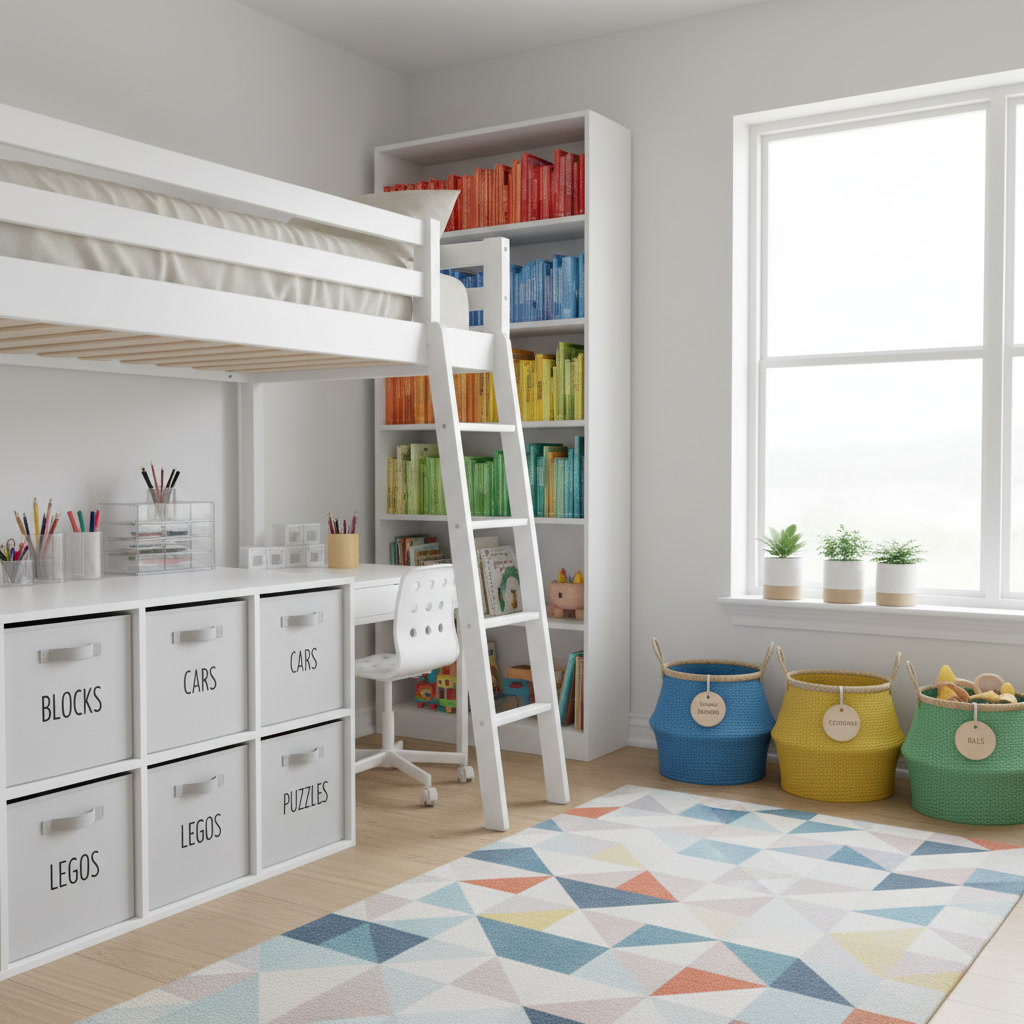
The top choice for most families is modular cube storage. These sturdy cubes can be stacked or set side-by-side to create shelves, cubbies, or even benches. Their flexibility and various colors help kids keep toys, books, and clothes tidy.
Most Creative Space Saver
Hanging closet organizers with pockets make use of vertical space. They’re perfect for art supplies, stuffed animals, and tiny treasures. These organizers keep clutter off the floor while keeping everything visible and within reach.
Best for Small Rooms
Under-bed rolling drawers are a game-changer in small spaces. These drawers easily store out-of-season clothes, shoes, or puzzles, saving valuable floor area for play and study zones.
Best for Multiple Kids
Color-coded bins or baskets help siblings keep their items separated. Assign each child a color for their baskets and label them for toys, laundry, or books. This minimizes mix-ups and teaches responsibility.
Best Budget-Friendly Organizer
Recycled cardboard boxes can be decorated and labeled as custom organizers. They work well for grouping art supplies, blocks, or schoolwork, and kids can participate in creating their storage solutions, which saves money.
Why Effective Kids’ Room Organization Matters in 2026
Benefits for Child Development
Organized kids' rooms support independence. Children learn to find, use, and put away their belongings, building life skills and responsibility. An orderly space helps their focus, creativity, and confidence.
Impact on Family Routine and Stress Levels
A tidy kid’s room lowers daily stress for both children and parents. It makes mornings smoother, shortens clean-up time, and reduces lost items, helping the whole family work together better.
Trends Influencing Kids’ Room Organization This Year
In 2026, eco-friendly and tech-integrated solutions are popular. Modular furniture, upcycled materials, and digital tools for tracking chores and organization are shaping how families keep spaces tidy.
How to Plan Kids’ Room Organization
Assessing Room Layout and Needs
- Measure the space: Note floor, wall, and closet dimensions.
- Look at traffic flow: Watch how kids move during play, sleep, and study.
- List storage needs: Identify what needs to be stored (clothes, toys, books, etc.).
- Spot clutter areas: Observe where messes pile up—these need extra solutions.
Choosing Age-Appropriate Storage Solutions
Select storage kids can use on their own. For younger children, choose low shelves or open bins. Older kids may prefer labeled drawers, hanging organizers, or desk caddies for supplies and electronics.
Incorporating Kids in the Organizing Process
- Discuss needs: Ask your child what items matter most to them.
- Choose solutions together: Let kids pick colors or styles for bins and labels.
- Assign ownership: Give each child responsibility for their own area.
Step-by-Step Guide to Organizing Kids’ Rooms
Decluttering Toys, Clothes, and Books
- Gather items by type: Bring out all toys, then all clothes, then all books.
- Sort into keep, donate, throw away, or store categories.
- Involve your child: Let them choose what to keep or give away.
- Bag donations and dispose of non-useful items immediately.
Sorting and Grouping for Easy Access
- Group similar items together (cars with cars, puzzles with puzzles).
- Store frequently used items within reach. Place special or seasonal items higher or under beds.
- Use clear bins or see-through drawers for quick identification.
Labeling Systems That Work for Kids
- Make simple labels using words and pictures for bins and shelves.
- For non-readers, use colorful icon stickers showing what goes where.
- Place labels at child’s eye level.
Zones for Play, Study, and Sleep
- Create a play zone: Use rugs to mark the play area, close to toy storage.
- Create a study zone: Place a desk or table near natural light with school supplies organized in caddies.
- Create a sleep zone: Keep this area clear of clutter for better rest.
- Use room dividers or shelves to separate each zone if space allows.
Creative DIY Organization Ideas for Kids’ Rooms
Upcycled Storage Projects
- Turn old shoeboxes into stackable bins for art supplies or figurines.
- Use large jars or cans as holders for crayons, markers, or small toys.
Wall-Mounted Solutions for Extra Space
- Install simple wall shelves for books or display items.
- Add hooks or pegboards on unused walls to hang bags, hats, or costumes.
Organizing with Bins, Baskets, and Drawers
- Mix deep bins for bulky toys with shallow trays for small pieces.
- Stackable baskets are perfect for clothes, socks, and accessories.
- Label each container with a picture and name of the contents.
Decorating to Encourage Tidiness
- Let kids decorate bin labels or paint hand-me-down furniture.
- Use color themes that match their favorite patterns or characters.
- Display a chore chart or reward system for keeping the room neat.
Organization Products Parents Love in 2026
Review of Trending Storage Solutions
| Product | Main Feature | Ideal For |
|---|---|---|
| Modular Cube Shelves | Stack any way, easy to customize and rearrange | All ages, all room sizes |
| Hanging Closet Organizers | Vertical storage, multiple pockets | Small spaces, art or clothing storage |
| Roll-Out Under-Bed Drawers | Saves space, hidden storage | Small rooms, extra storage needs |
| Color-Coded Bins | Personalized, makes sharing easier | Families with more than one child |
| Customizable Label Sets | Pictorial or text, reusable | Younger kids, frequent reorganizers |
Pros and Cons of Modular Furniture
- Pros: Grows with child’s needs, easy to move or expand, fits any room shape.
- Cons: Some types can be expensive, needs steady assembling for safety.
Best Apps for Tracking Kids’ Room Organization
- Family organization apps let parents and kids set cleaning routines and track progress.
- Apps can send reminder notifications, reward points, and help manage chores together as a team.
FAQ: Common Questions About Kids’ Room Organization
- What’s the best way to start if the room is very messy? Start with one category (like toys), sort, and clear that before moving to the next.
- How can I keep up the organization? Set up easy-to-use systems and a weekly clean-up routine with your child.
- Are DIY solutions safe for young kids? Yes, as long as they don’t have sharp edges or small pieces that could be choking hazards.
- How often should I reorganize? Review the system every six months or as your child’s needs change.
Resources for Parents: Where to Find More Kids’ Room Organization Ideas
- Parenting websites with expert room organization tips and downloadable plans
- DIY and craft blogs with upcycled storage ideas
- Local parenting groups and online forums for sharing photos and solutions
- App stores for organization and chore-management apps
- Library books on children’s room makeover projects
Effective organization in kids’ rooms is achievable for every family. Start with simple steps, let your child take part, and pick storage ideas that match your needs. With the right tools and regular routines, kids' rooms can stay neat and become a fun, independent space for your child to grow. Begin today—choose a quick win from the guide, set up your first label, and enjoy a more peaceful family routine.