Understanding the Importance of a Calm Home Environment for Kids
Research-Backed Benefits of a Calm Home
A calm home offers many benefits for children's development. Studies show that peaceful environments support better focus, emotional well-being, and healthier relationships. Kids living in calm homes often show stronger resilience and improved academic performance.
Common Challenges Parents Face With Home Chaos
Many parents struggle with noise, clutter, and sibling conflicts. Modern life is busy, making it hard to set routines and keep spaces organized. Understanding these challenges helps parents address the root causes of chaos and find lasting solutions.
Key Principles for Creating a Calm Home With Kids
Routines and Predictability
1. Children feel safe when daily routines are consistent.
2. Predictable schedules reduce anxiety and help kids know what to expect.
3. Morning and bedtime routines are especially important for stability.
Setting Boundaries With Love
1. Clear boundaries teach kids respect and responsibility.
2. Use gentle guidance instead of strict punishment.
3. Explain rules calmly, focusing on understanding rather than control.
Modeling Calm Behavior as Parents
1. Children imitate adult actions.
2. Staying calm during stressful moments shows kids how to manage emotions.
3. Practice deep breathing and positive self-talk as examples.
Step-by-Step Guide: How to Set Up a Calm Home With Kids
Creating Kid-Friendly Zones for Play and Rest
- Identify safe areas in your home for play and rest.
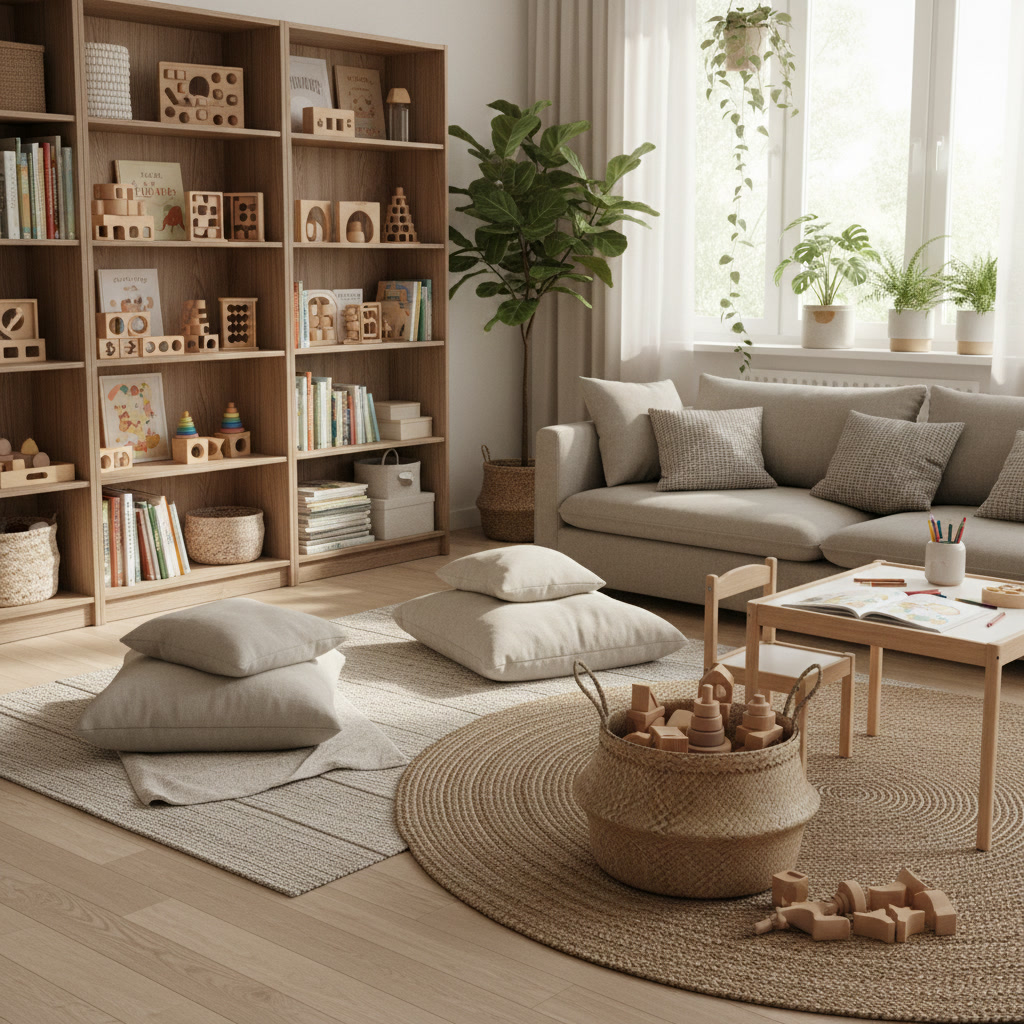
- Separate noisy and quiet zones — use rugs, pillows, and shelves to mark spaces.
- Ensure each zone has age-appropriate toys or books.
- Place soft lighting and relaxing decor in rest areas to signal calmness.
Decluttering and Organizing Family Spaces
- Gather bins and boxes for sorting toys, clothes, and school items.
- Work with your child to sort things into keep, donate, and discard.
- Use clear labels and simple storage systems — baskets or open shelves.
- Clean up daily using easy routines, like a quick tidy before dinner.
Designing Sensory-Friendly Environments
- Reduce loud sounds by closing doors or using noise-canceling items.
- Choose soft materials for furniture — cushions, blankets, and rugs are best.
- Use calming scents, like vanilla or lavender, with safe diffusers.
- Keep lighting gentle; avoid harsh overhead lights, and try using lamps.
Everyday Habits That Foster Calmness in Family Life
Mindful Mornings and Bedtime Rituals
- Start the day with simple greetings and calm breakfast routines.
- Use bedtime stories and gentle music to wind down at night.
- Encourage kids to reflect on their day and express feelings.
Managing Sibling Rivalry and Tantrums Calmly
- Intervene early, using calm language and clear explanations.
- Give each child personal time and attention.
- Teach simple conflict resolution steps: listen, talk, find solutions.
- Use “calm corners” where kids can cool off and regroup.
Fostering Positive Communication
- Ask children open questions about their feelings and experiences.
- Listen actively, making eye contact and avoiding interruptions.
- Encourage respect and kindness with praise and gentle corrections.
- Practice gratitude together at meal times or before bed.
Tools and Resources to Support a Calm Home With Kids
Recommended Apps and Books for Parents
- Apps: Calm Kids, Headspace for Families, ParentPal
- Books: “Simplicity Parenting,” “Raising Calm Kids,” and “The Whole-Brain Child.”
Calm-Boosting Products and DIY Solutions
- White noise machines to reduce distractions
- Weighted blankets for sensory comfort
- DIY stress balls using balloons and flour
- Soft nightlights and soothing wall art
Real-Life Stories: Parents Share Their Calm Home Transformations
Many parents have improved their homes by introducing calm routines and decluttering. For example, one family set daily tidy-up games, which made everyone happier and more organized. Another parent used soft music in the evenings, helping their children to relax and sleep better. Each story highlights simple steps leading to lasting calm.
Frequently Asked Questions About Creating a Calm Home With Kids
| Question | Answer |
|---|---|
| What if my child resists routines? | Start with small changes and build up. Use positive reinforcement and involve your child in planning routines. |
| How can I calm tantrums fast? | Stay calm yourself, use gentle touch, and move to a quiet area. Offer choices to help your child regain control. |
| Can calm environments help with learning? | Yes. Calm homes support focus, creativity, and better school outcomes by reducing stress and distractions. |
| Is it okay to have screen time? | Yes, in moderation. Set clear limits and use screens for educational or relaxing activities when possible. |
| What if my partner is less supportive? | Share ideas and celebrate small wins. Involve them by assigning simple roles, like choosing calm music or helping sort toys. |
Summary: Key Takeaways and Next Steps
Creating a calm home with kids is possible with routines, clear boundaries, and positive habits. Start by organizing spaces, setting up predictable patterns, and modeling calm behavior. Use tools and resources, and celebrate progress together. With patience and teamwork, your family will enjoy a happier, calmer environment where kids grow and thrive.