Understanding Slow Travel in Italy
What is Slow Travel?
Slow travel is a style of tourism where you stay longer in one place. It means exploring Italy at a relaxed pace, really getting to know the people, customs, and landscapes. Slow travel focuses on quality over quantity, letting you have deeper experiences rather than just seeing popular spots quickly.
Benefits of Staying Longer in Italian Destinations
- Connect with local life and traditions.
- Enjoy less rushed days and zero travel stress.
- Discover hidden gems away from crowds.
- Save money with long-term accommodation deals.
- Form real friendships and community connections.
How Slow Travel Differs from Traditional Tourism
Unlike fast tourism, where you hop from city to city and rush through attractions, slow travel means spending weeks in a village or city. You shop locally, join festivals, cook, and learn the language. This makes your Italian journey unique and memorable.
How to Plan Your Slow Travel Adventure in Italy
Choosing Your Italian Region for Extended Stay
- Research regions like Tuscany, Sicily, Umbria, Puglia, and the Dolomites for different vibes.
- Think about what you value: countryside peace, coastlines, food heritage, or culture.
- Check local weather and seasonal events to match your interests.
Factors to Consider: Accommodation, Transportation, and Local Culture
- Accommodation: Compare agriturismo farms, local rentals, or eco-lodges for comfort and budget.
- Transportation: Decide if you'll need a rental car or can rely on trains and buses.
- Culture: Look up local customs, dialects, and holidays for richer experiences.
Navigating Local Regulations and Seasonal Tips (2026 Update)
- Check updated visa rules for stays over 90 days.
- Read about local recycling, quiet hours, and market days.
- In summer 2026, book early to avoid crowds. In the offseason, expect some services to close.
Top Destinations for Slow Travel in Italy
Tuscany: Living the Italian Countryside Life
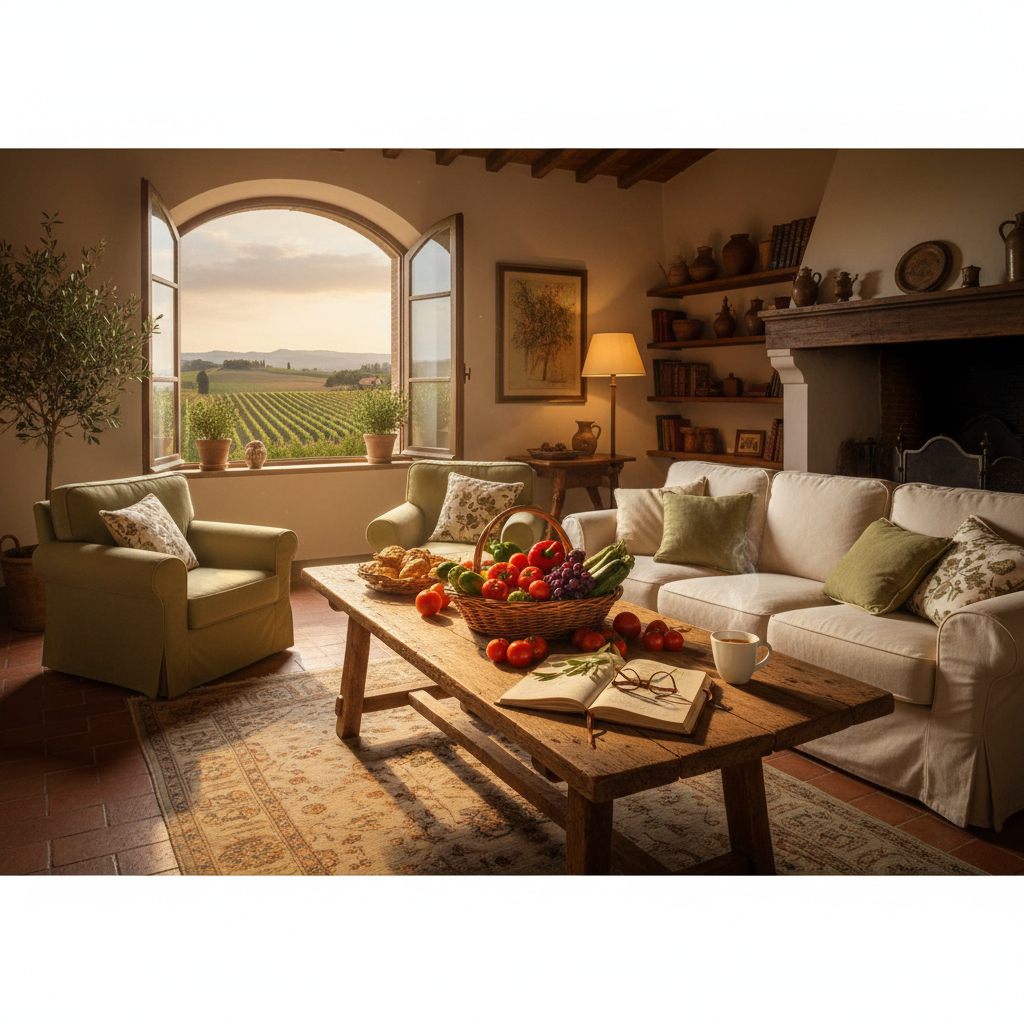
Stay in a Tuscan farmhouse surrounded by vineyards and sunflower fields. Explore medieval villages like San Gimignano and learn Tuscan cooking. Spend afternoons biking scenic roads or relaxing at thermal springs.
Sicily: Immersive Heritage and Coastal Retreats
Sicily offers a mix of ancient ruins, lively markets, and volcanic beaches. Rent a seaside cottage, visit local fish markets, and join traditional festivals. Hike Mount Etna or discover Baroque towns like Noto.
Umbria: Authentic Experiences Beyond Rome
Known as the “Green Heart of Italy,” Umbria is less crowded than Tuscany. Stay in a rustic villa, visit Etruscan ruins, and join olive oil harvests. Don’t miss Perugia’s chocolate festival or peaceful Lake Trasimeno.
Puglia: Slow Living Among Olive Groves and Beaches
Puglia is famous for its trulli houses and crystal waters. Stay in a country trullo or beachside B&B. Bike through olive groves, sample local cheeses, and enjoy small-town life in Alberobello or Lecce.
The Dolomites: Mountain Villages and Alpine Wellness
The Dolomites offer stunning mountain scenery and local charm. Stay in a chalet in a village like Ortisei, hike alpine trails, and relax in wellness spas. Enjoy local cheese, polenta, and outdoor adventures year-round.
Best Accommodation Types for Longer Stays in Italy
Agriturismo Farms and Rural Villas
- Stay in renovated farmhouses offering homemade meals and farm experiences.
- Great for learning about Italian agriculture and enjoying local products daily.
Boutique Apartments and Local Rentals
- Perfect for families, couples, or solo travelers wanting independence.
- Live like a local in city centers or quiet neighborhoods.
Eco-Lodges and Sustainable Accommodations
- Lower your environmental impact and meet sustainability-minded owners.
- Many offer workshops on organic gardening and green living.
Long-Term Hotel Deals and Extended Stay Options
- Some hotels offer discounts for long stays (weeks or months).
- Enjoy benefits like weekly cleaning, breakfast, or laundry services.
How to Immerse Yourself in Italian Culture While Traveling Slowly
Local Markets, Festivals, and Artisan Workshops
- Visit fresh markets weekly—try regional cheeses, breads, and seasonal fruit.
- Join local festivals for music, food, and traditions. Research schedules ahead!
- Take part in pottery making, mosaic workshops, or other crafts with local artists.
Cooking Classes and Food Experiences
- Book a cooking class to learn pizza, pasta, or gelato making.
- Dine at family-run trattorias and ask about local specialties.
- Visit vineyards for wine tasting and olive groves for oil sampling.
Language Learning and Community Events
- Take casual Italian classes at a language school or online.
- Meet locals at church events, book clubs, or town meetings.
- Volunteer for local causes to make connections and practice Italian daily.
Slow Travel Packing and Preparation Tips for Italy (2026)
Essentials for an Extended Stay
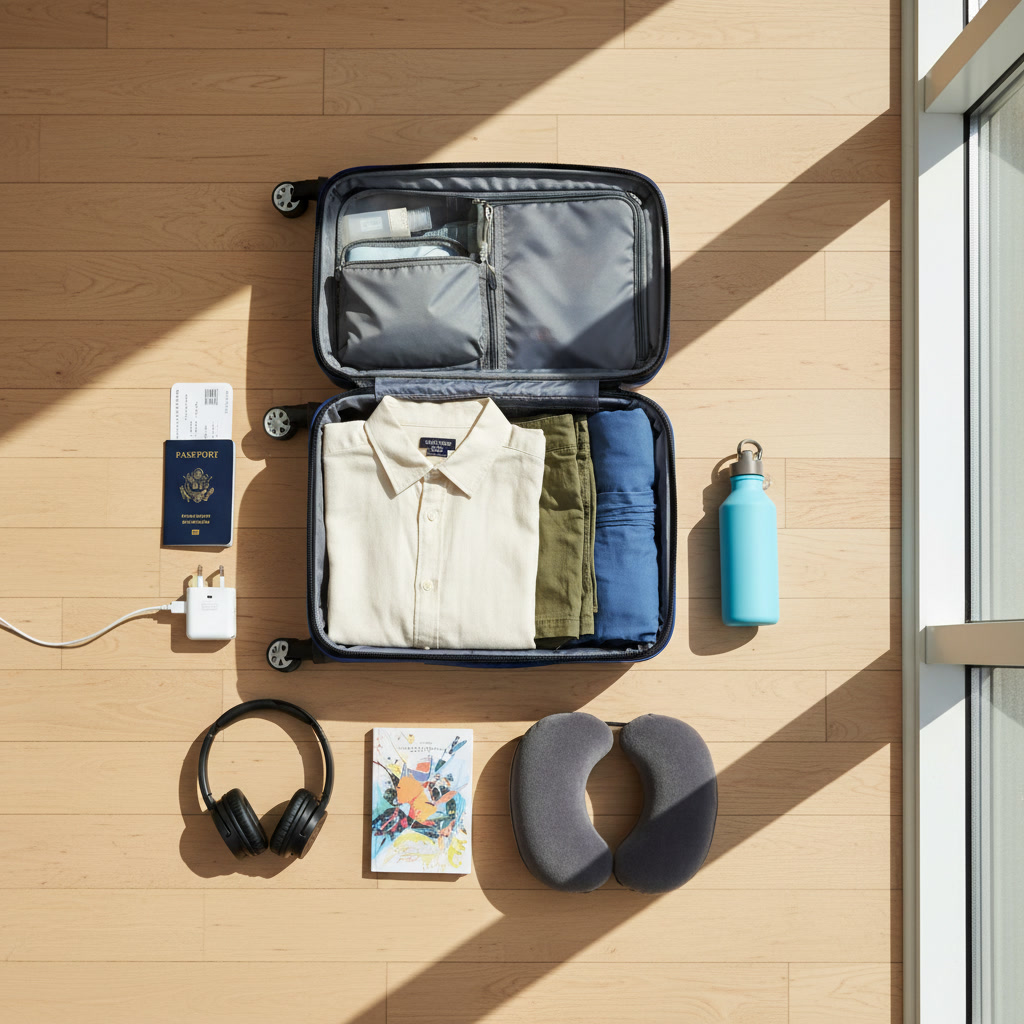
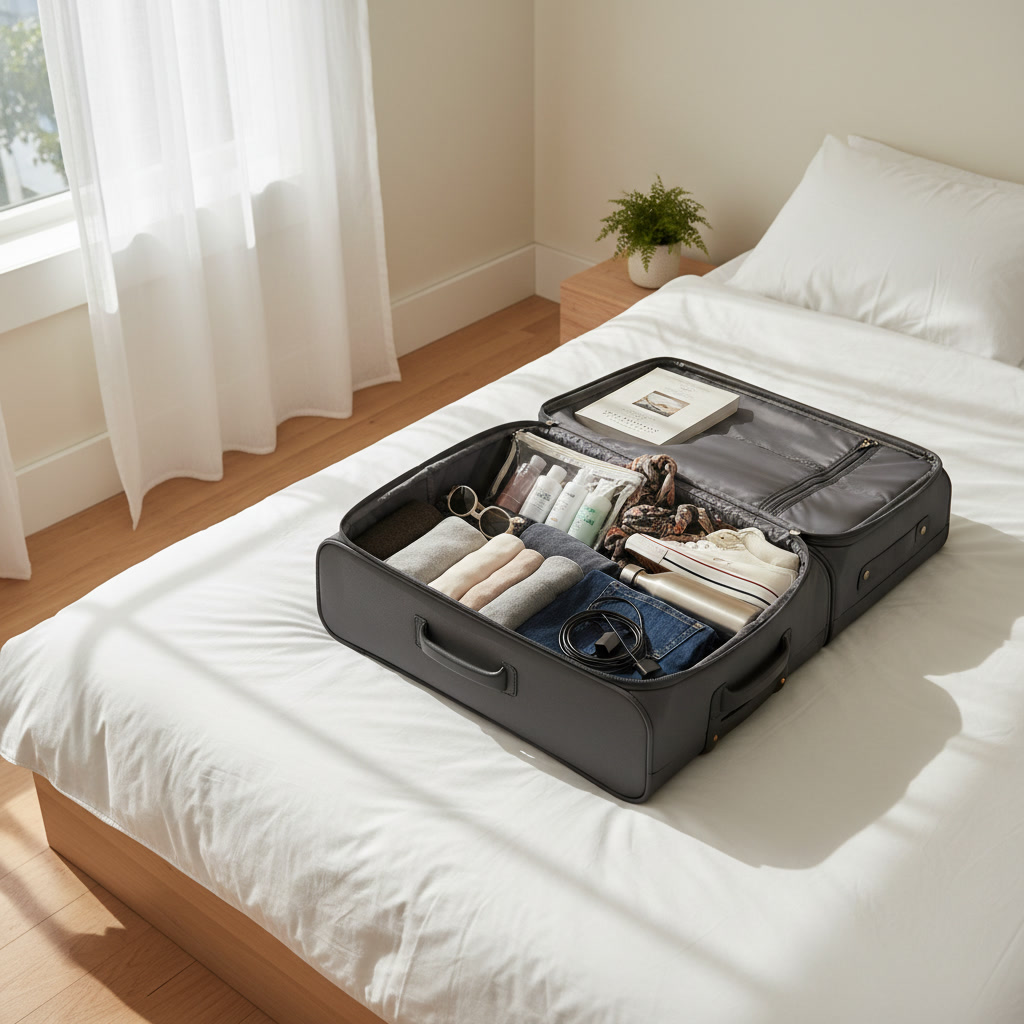
- Pack versatile clothing for various climates—layers work best.
- Bring a secure bag for markets and city walks.
- Carry copies of important documents and your travel insurance.
Connectivity and Working Remotely
- Check internet speed in your chosen region before booking accommodation.
- Consider buying an Italian SIM card or eSIM for strong mobile data.
- Pack EU-friendly chargers and adapters for your devices.
Health, Safety, and Travel Insurance Updates
- Make sure your travel insurance covers health, belongings, and activities (check 2026 updates).
- Learn emergency numbers (medical, police) in Italian.
- Carry a basic first-aid kit and any prescription medicines you need.
Frequently Asked Questions about Slow Travel in Italy
- Do I need to speak Italian? No, but learning basic phrases helps a lot and locals appreciate your effort.
- How much money should I budget? Costs vary by region, but slow travel can be more affordable due to long-term rental discounts and home-cooked meals.
- Is Italy safe for solo travelers? Yes, especially in smaller towns. Always follow local advice and safety guidelines.
- Can I work remotely? Yes, many rural areas now have good internet and coworking spaces.
Resources and Planning Tools for Slow Travel in Italy (2026)
- Italian railways (Trenitalia, Italo) for slow travel train passes.
- Airbnb, Vrbo, and agriturismo.it for long-term stays.
- Duolingo, Babbel, or local schools for Italian learning.
- Local tourist offices for festival calendars and event updates.
- Travel forums and blogs for real traveler reviews and 2026 tips.
Conclusion: Key Points and Next Steps
- Choose Italy regions that suit your pace and interests.
- Stay in local accommodations to experience authentic life.
- Connect with the culture through daily interactions, food, and festivals.
- Plan for a flexible, safe, and comfortable stay with proper preparation.
- Start planning now for the best slow travel experience in Italy in 2026!