Understanding Flexibility: What It Really Means
The Science Behind Flexibility
Flexibility is the ability of your muscles and joints to move through their full range of motion. It depends on muscle length, tendon health, and joint structure. Regular stretching and movement help keep muscles and connective tissues soft, making movement easier and reducing injury risks.
Why Improving Flexibility Matters
Better flexibility helps in daily tasks, improves posture, and supports athletic performance. It can reduce muscle soreness, prevent aches, and leads to quicker muscle recovery after activities. For students, flexibility training can also help manage stress and improve focus.
Essential Tools and Environment to Boost Flexibility at Home
Must-Have Equipment for Home Stretching
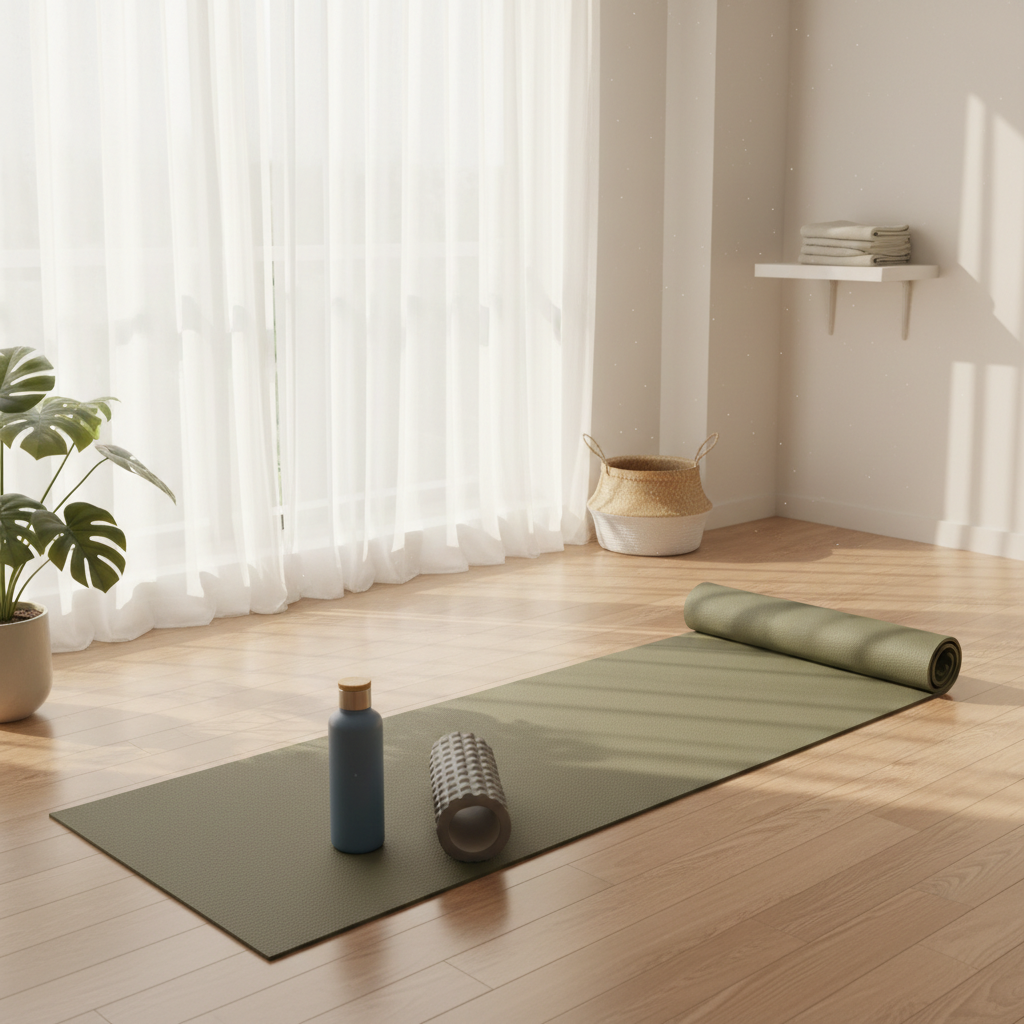
- Yoga mat: Provides comfort and grip.
- Stretching strap or belt: Helps reach further in stretches.
- Foam roller: For warming up and releasing tight muscles.
- Pillows or cushions: Support during deeper stretches.
- Wall or sturdy chair: For balance assistance.
Creating a Safe Space for Stretching Exercises
- Clear a space wide enough to allow full arm and leg movement.
- Use a flat, non-slippery surface.
- Keep water nearby to stay hydrated.
- Avoid areas with obstacles or sharp objects.
Step-by-Step Guide: How to Improve Flexibility at Home
Dynamic Warm-Ups for Optimal Stretching
- Neck and Shoulder Rolls: Gently roll your shoulders forward and backward for 10 reps. Nod your head side to side.
- Arm Circles: Extend arms and circle forward and backward for 15 seconds each direction.
- Leg Swings: Hold a chair and swing each leg front to back, then side to side, 10 times.
- Hip Circles: Hands on hips, rotate hips in a circle, 10 times per direction.
Dynamic warm-ups get your blood flowing and prepare muscles for deeper stretches.
Static Stretching Techniques for Beginners
- Standing Hamstring Stretch: Place one foot on a low chair, keep your leg straight, bend forward slowly and hold for 20 seconds. Repeat other side.
- Seated Forward Fold: Sit with legs straight, reach for your toes and hold for 20 seconds. Avoid bouncing.
- Child’s Pose: Kneel, sit back on heels and stretch arms forward on the floor, holding 20 seconds.
- Quad Stretch: Stand, grab one ankle behind you, pull gently toward your glutes for 20 seconds per leg.
Repeat each stretch 2-3 times. Never stretch to the point of pain.
Advanced Stretching Routines for Progress
- Pigeon Pose: From hands and knees, bring one knee to your wrist. Extend the other leg back, lean forward gently for 30 seconds.
- Lizard Pose: Step one foot outside your hand from a plank, lower hips for a deep hip stretch.
- Wall Split: Lie on back, stretch legs up a wall, slide them apart slowly for up to 1 minute if comfortable.
Advanced routines should be attempted when you feel confident with basic stretches and experience no pain. Always warm up before starting these exercises.
Daily Flexibility Routine: Sample Schedules and Tips
Morning Flexibility Boosters
- Neck Rolls – 10 reps clockwise and counterclockwise.
- Cat-Cow Stretch: On hands and knees, alternate arching and rounding your back for 1 minute.
- Standing Side Stretch: Reach arms overhead and bend gently side to side, holding each stretch for 10 seconds.
Morning stretches help wake up your muscles and boost alertness for the day.
Evening Stretching Rituals
- Seated Butterfly Stretch: Bring soles of feet together while sitting, hold feet and lean forward gently for 30 seconds.
- Supine Twist: Lying on your back, knees bent, drop legs to one side and look opposite for 20 seconds; repeat other side.
- Legs Up the Wall: Lie with legs extended up a wall for gentle stretching and relaxation, hold for 3-5 minutes.
Evening stretches relax your body and prepare your mind for restful sleep.
Common Mistakes to Avoid When Improving Flexibility at Home
Stretching Too Much, Too Soon
Pushing your body too quickly can lead to strains and injuries. Increase stretch duration and intensity slowly. Always listen to your body’s limits.
Ignoring Proper Form and Alignment
Poor form reduces stretch effectiveness and raises injury risk. Focus on posture—keep your back straight and move smoothly. Watching online videos with clear instructions can help.
Measuring Progress: Tracking Your Home Flexibility Improvements
Tools for Tracking Flexibility Gains
- Flexibility Journal: Write down stretches, reps, and how you feel after each session.
- Apps: Use fitness apps to log routines and mark stretch progress.
- Photos or Videos: Take pictures or short videos every few weeks to see improvements in stretch depth.
Setting Realistic Flexibility Goals for 2024
- Aim to touch your toes comfortably within 8 weeks, if you start as a beginner.
- Set targets for holding each stretch 30 seconds without discomfort.
- Track progress monthly and celebrate little improvements.
FAQ: Improving Flexibility At Home
Q: How often should I stretch?
A: Stretch at least 3-5 times per week for best results. Even 10 minutes a day is enough to see progress over time.
Q: Does flexibility improve overnight?
A: No, it takes weeks or months of regular practice. Consistency is more important than intensity.
Q: Can I get hurt by stretching at home?
A: Stretch slowly, never force positions, and stop if you feel pain. This will prevent most injuries.
Q: What if I’m just not flexible?
A: Flexibility improves with persistence—even if you start stiff, you can get better by following these routines.
Q: Are props necessary?
A: They’re useful but not required—you can do most stretches using just your body and a floor.
Summary: Key Points and Next Steps
- Improving flexibility at home is possible for everyone with the right approach.
- Prepare your space and gather basic equipment like a mat and strap for safety.
- Warm up dynamically, stretch regularly, and progress gradually for the best results.
- Avoid common mistakes—listen to your body, maintain good form, and track your progress.
- Consistency, patience, and proper technique are the keys to flexible, healthy movement in 2024 and beyond. Start your routine today and enjoy the many benefits of improved flexibility!