Understanding Slow Travel in Europe
What Is Slow Travel?
Slow travel is a way of exploring the world at a relaxed pace. Instead of rushing from city to city, you spend more time in fewer places. This allows you to connect deeply with local culture, food, and nature. You might spend a week in a single village or visit just a few cities during your whole trip. Slow travel is about quality experiences, not quantity of places visited.
Benefits of Slow Travel for Modern Travelers
- Less stress and more relaxation.
- Deeper cultural experiences and connections with locals.
- Better for the environment by reducing travel emissions.
- Often less expensive than fast-paced travel.
- Supports local businesses and traditions.
Why Europe Is Ideal for Slow Travel
Europe is perfect for slow travel. It has excellent public transportation, safe environments, and a rich variety of cultures close together. You can visit small villages, eat local food, and move easily by train, bus, or bike. Europe’s history and diverse landscapes invite travelers to slow down and enjoy every moment.
How to Choose the Best Slow Travel Destinations in Europe
Key Criteria for Selecting a Slow Travel Destination
- Easy access to nature and outdoor activities.
- Rich local culture and history.
- Safe and welcoming communities.
- Availability of local foods and sustainable choices.
- Less crowded or “off the beaten path” locations.
Sustainable Travel Considerations
- Choose destinations with green transport options.
- Support eco-friendly accommodations.
- Respect local wildlife and protected areas.
- Reduce your travel footprint by staying longer in one place.
Aligning Destinations with Personal Interests
Think about what you love: Is it art, food, hiking, or history? Match your favorite activities with your destinations. For example, if you love food, Tuscany’s vineyards might be perfect. If you enjoy forests, the Black Forest in Germany is a great fit.
Top 7 Best Slow Travel Destinations in Europe for 2026
Tuscany, Italy: Exploring Hill Towns and Vineyards at Leisure
Tuscany is famous for its rolling hills, vineyards, and medieval towns. Take your time walking through Siena or San Gimignano. Explore local markets, try wine-tasting, and enjoy home-cooked Italian meals. Stay in an “agriturismo,” a farmhouse that welcomes travelers.
Alentejo, Portugal: Savoring Rural Charms Off the Beaten Path
Alentejo offers peaceful villages and open landscapes. Rent a bike to explore olive groves and white-washed towns. Taste slow-cooked Portuguese dishes, enjoy local festivals, and meet welcoming farmers. This region is less crowded and very authentic.
The Cyclades, Greece: Island-Hopping Beyond the Crowds
The Cyclades are a group of islands in Greece. Go beyond the busy islands and try Paros, Naxos, or Amorgos. Spend your days swimming, hiking, eating local seafood, and watching sunsets. You can travel by ferry at a relaxed pace.
Dordogne, France: Immersive Villages and Gastronomy
Dordogne is a wonderful place for food lovers. Stay in a small village, visit local farms, and try cheese, duck, and truffles. Canoe the Dordogne River, walk medieval streets, and enjoy the quiet countryside.
The Scottish Highlands: Scenic Rail Journeys and Nature Walks
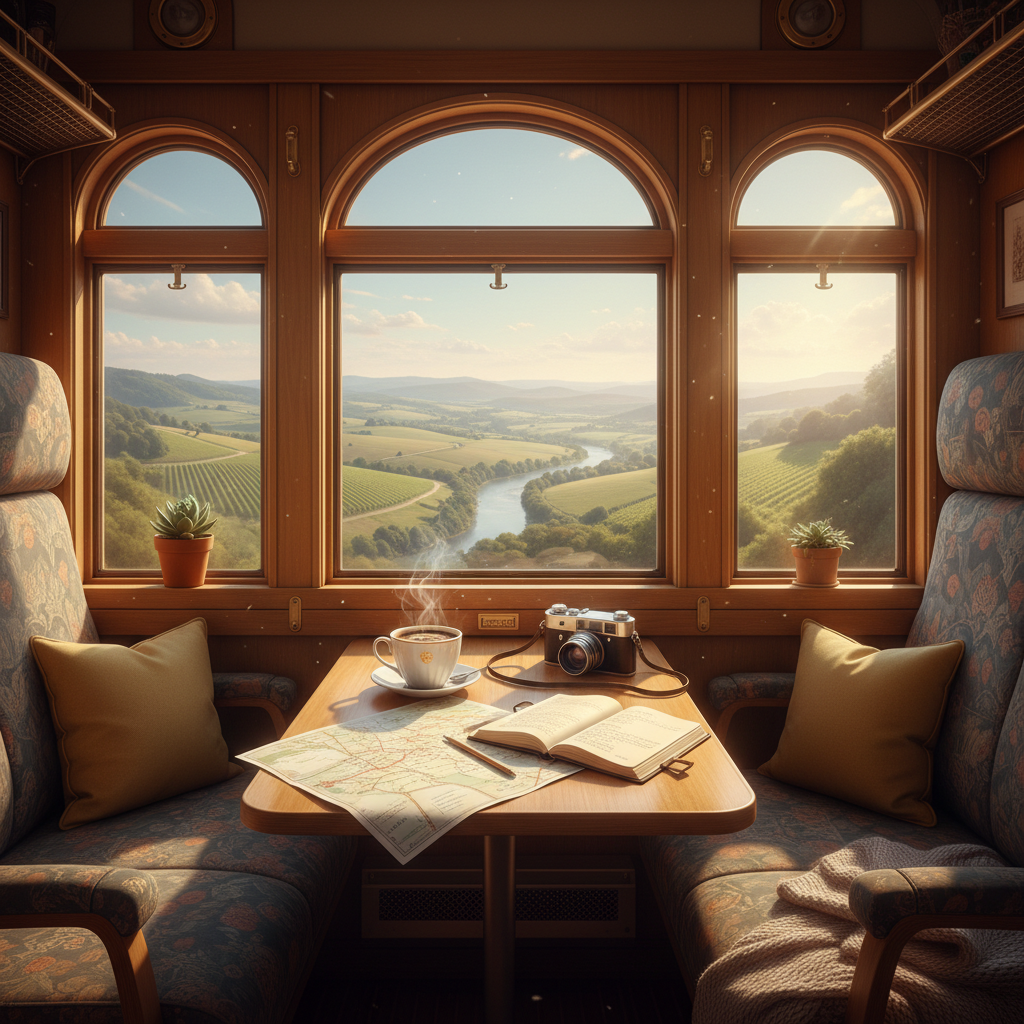
Experience the wild beauty of Scotland by taking a slow train journey. Walk through green valleys, look for wildlife, and visit historic castles. Stay in family guesthouses or cozy inns for a real local touch.
Istria, Croatia: Slow Food and Coastal Villages
Istria is known for its great food and blue seaside. Explore small fishing villages, sample olive oil and truffles, and take a relaxed boat trip. Life moves slowly, perfect for travelers who want to unwind.
The Black Forest, Germany: Forest Bathing and Folk Traditions
The Black Forest offers deep woods, traditional towns, and peaceful walking paths. Try forest bathing, join in folk festivals, and taste regional cakes like “Schwarzwälder Kirschtorte.”
How to Plan Your Slow Travel Journey in Europe
Creating Flexible Itineraries
- Pick one or two main destinations for your trip.
- Plan to stay in each place for at least 4-7 days.
- Allow time for rest and spontaneous activities.
- List local events, markets, and possible day trips, but don’t over-schedule.
Transportation Tips for Slow Explorers
- Choose trains or buses for scenic routes and less stress.
- Rent bikes or walk to explore small towns and countryside.
- Consider ferries for island destinations.
- Buy rail or bus passes for flexible, affordable travel.
Accommodation Types That Foster Local Immersion
- Agriturismos or rural guesthouses (Italy, Portugal, France).
- Bed and breakfasts or family-run inns.
- Vacation rentals in villages or countryside homes.
- Eco-lodges or sustainable resorts.
Connecting with Local Culture and Communities
- Shop at local markets.
- Eat at neighborhood restaurants.
- Attend festivals, art shows, or craft workshops.
- Talk with locals, ask questions, and learn a few words of their language.
Slow Travel Packing and Budgeting Tips
What to Pack for a Relaxed, Extended Stay
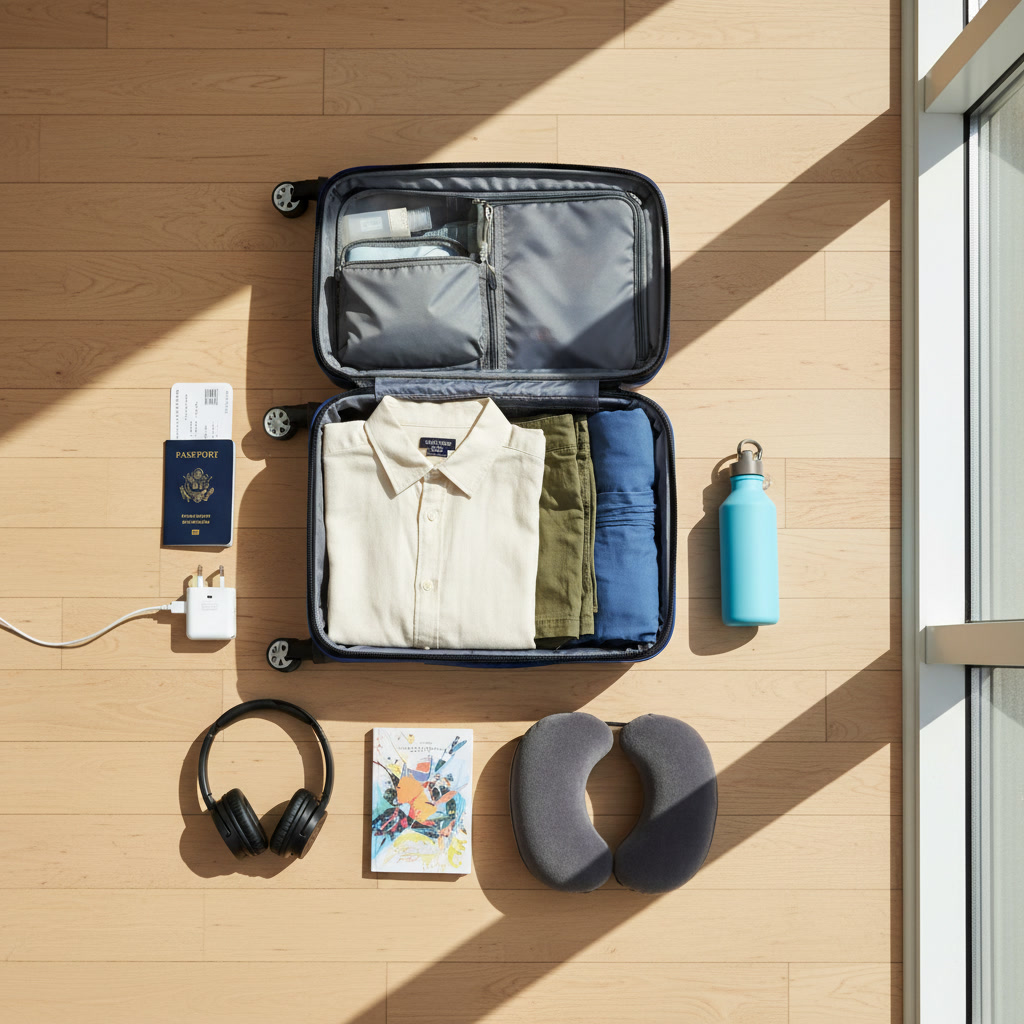
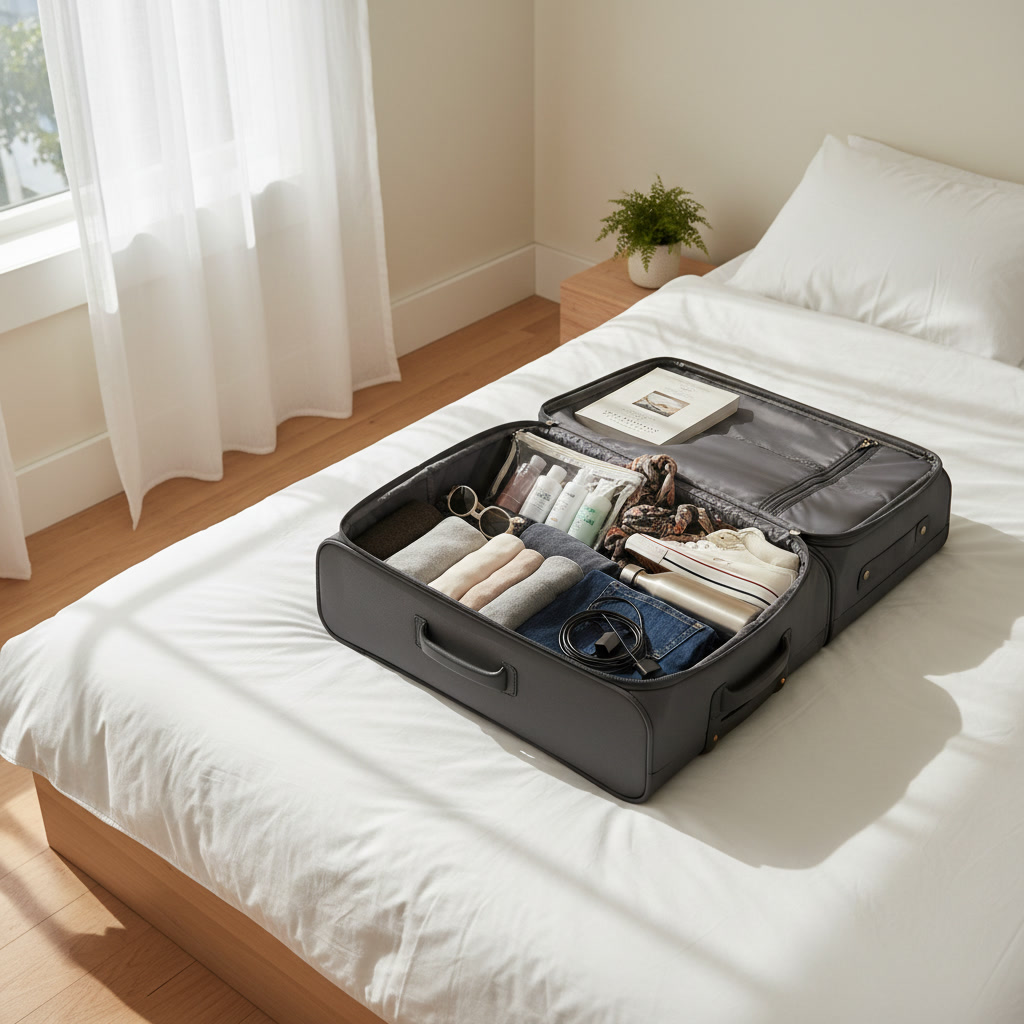
- Comfortable walking shoes and clothes for layers.
- Reusable water bottle and shopping bag.
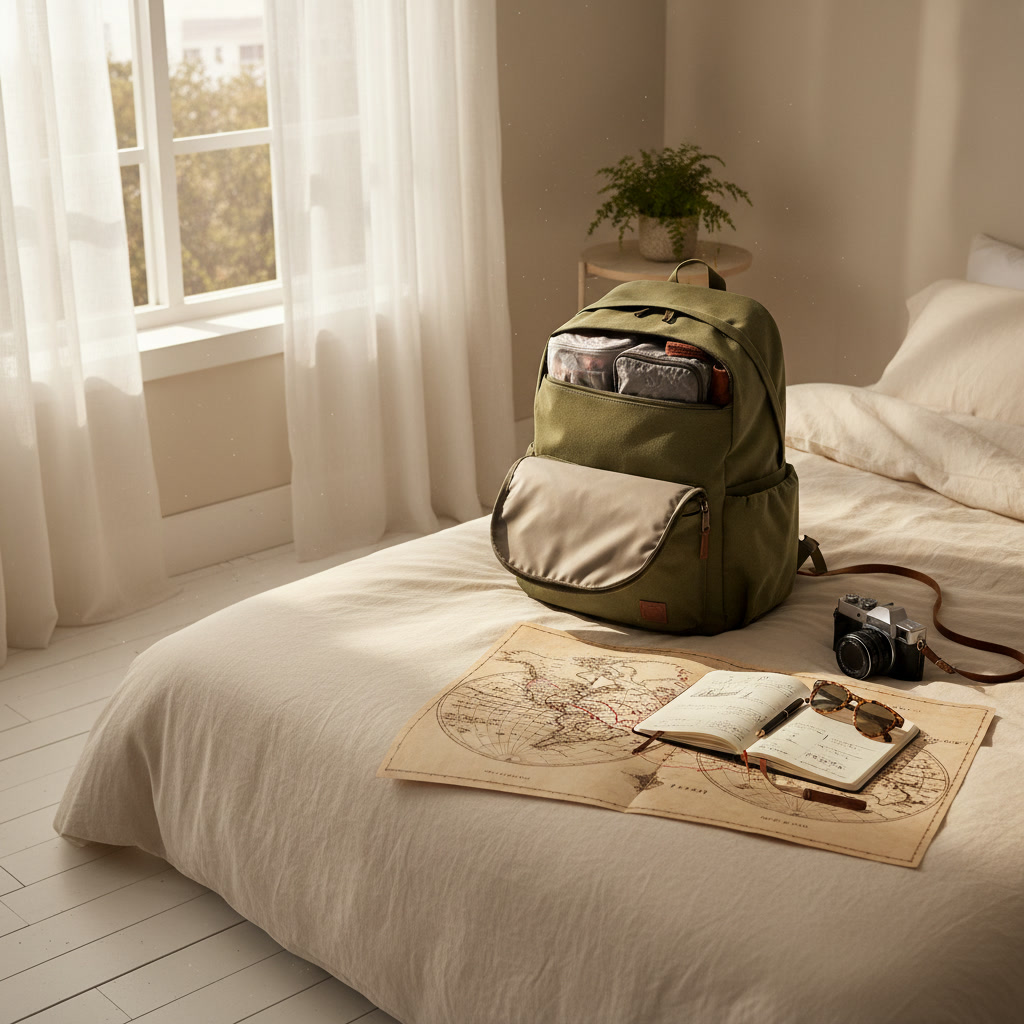
- Notebook for journaling.
- Small daypack for trips and picnics.
- Essential chargers and travel adapters.
Budgeting for Long-Term European Travel
- Plan a monthly budget covering lodging, food, transport, and activities.
- Save money by shopping at markets and preparing some meals yourself.
- Book longer stays to get discounts on accommodation.
- Travel in the shoulder season for lower prices and fewer crowds.
FAQ: Common Questions About Slow Travel in Europe
| Question | Answer |
|---|---|
| Is slow travel safe for teenagers and families? | Yes, Europe is generally very safe, with friendly locals and good facilities. Always check local advice and use common sense. |
| Can I do slow travel on a small budget? | Yes. Traveling slowly means fewer transport costs and better deals on local stays and food. |
| How do I meet locals? | Stay in small guesthouses, join local tours, visit markets, and attend events. |
| What about language barriers? | Learn basic greetings and use translation apps. Most Europeans know some English, especially in tourist areas. |
| Do I need to plan everything ahead of time? | No, leave space for surprises. Having a few fixed plans helps, but flexibility is key to true slow travel. |
| Is slow travel environmentally friendly? | Yes, staying longer in fewer places and using local transport reduces your carbon footprint. |
Conclusion: Key Points and Next Steps
Slow travel in Europe is a rewarding way to discover hidden gems, support local communities, and reduce environmental impact. Choose your destinations based on interest and sustainability, plan flexible itineraries, and stay in local places. Pack light and budget wisely for a relaxed, meaningful European adventure. Ready to begin? Start by researching one of the top destinations from this guide and let your journey unfold at a slow and steady pace.