Understanding Core Muscles and Their Importance for Beginners
What Are Core Muscles?
The core muscles are a group of muscles that form the center of your body. They include the muscles in your abdomen, lower back, hips, and pelvis. Some of the main core muscles are the rectus abdominis (front abs), obliques (side abs), transverse abdominis (deep abs), and erector spinae (back muscles). These muscles work together to support your spine and make movement safe and stable.
Why Core Strength Matters for Daily Movement and Fitness
Core strength is vital because it helps your body stay balanced, prevents injury, and improves posture. Daily activities like walking, sitting, standing up, or carrying objects all become easier with a strong core. For beginners, building core strength lays the foundation for all other fitness activities and sports. It also reduces back pain and helps you maintain good form during exercise.
How to Safely Get Started with Core Exercises for Beginners
Common Mistakes to Avoid for Core Beginners
- Doing too many repetitions before mastering the form
- Holding your breath instead of breathing normally
- Using only abdominal muscles rather than the whole core
- Not warming up before starting the workout
- Neglecting to progress exercises for better results
Pre-Workout Preparation and Injury Prevention
- Wear comfortable clothes and athletic shoes for free movement.
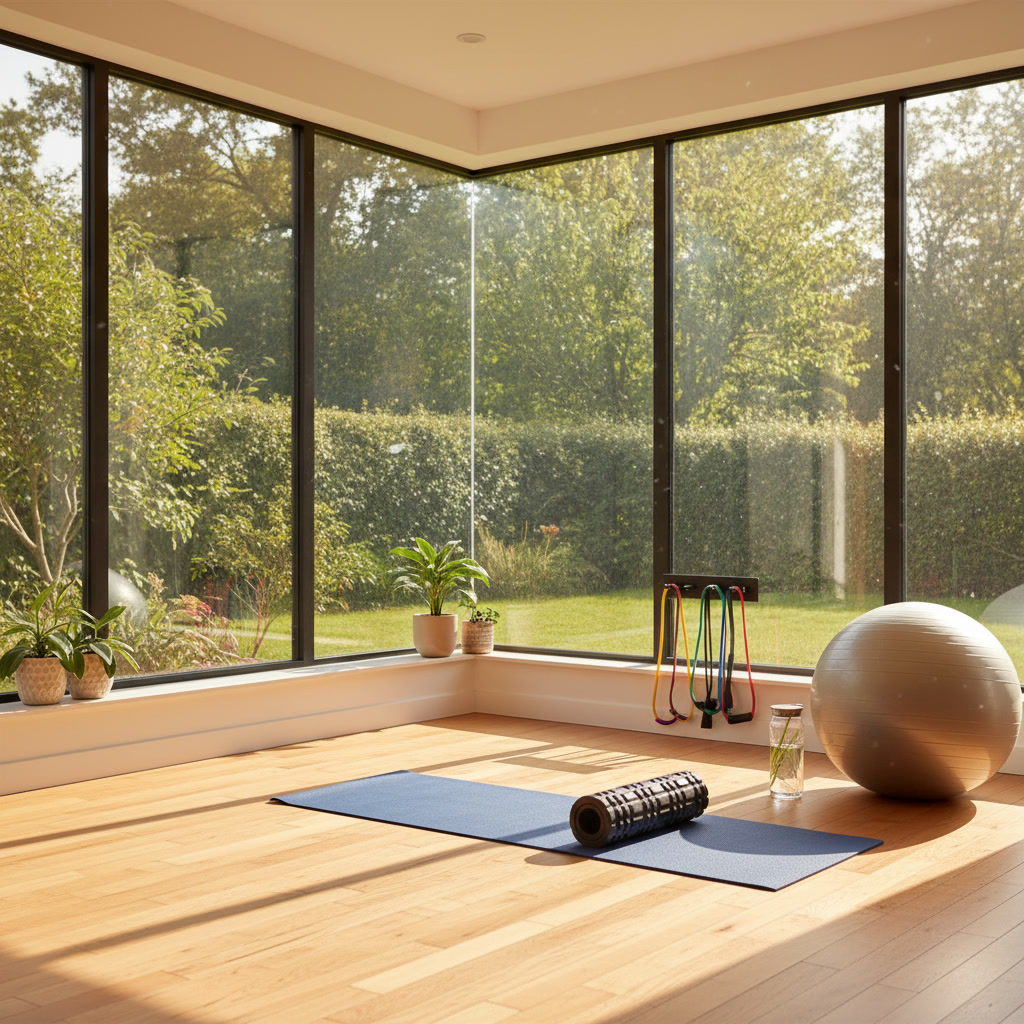
- Use a yoga mat or towel to provide soft support on the floor.
- Start with a 5-minute warmup (marching in place, arm circles, gentle stretching).
- Keep a water bottle handy to stay hydrated.
- Read exercise instructions carefully to understand the right posture.
- Stop if you feel sharp pain and consult a coach or trainer if needed.
Best Core Exercises for Beginners: Top Picks with Instructions
Plank Variations for Beginner Core Strength
- Standard Plank:
- Place your forearms and knees on the mat, elbows under shoulders.
- Straighten your legs backward one at a time, balancing on toes.
- Keep your body in a straight line from head to heels.
- Hold for 10-20 seconds, then rest. Repeat 2-3 times.
- Focus on tightening your stomach and not letting your hips drop.
- Knee Plank (easier):
- Stay on your knees instead of toes to reduce pressure.
- Try to hold for 15-30 seconds, rest, and repeat.
Dead Bug: Building Core Stability
- Lie on your back with arms straight up and knees bent at 90 degrees.
- Squeeze your stomach. Slowly lower your right arm and left leg toward the floor without touching it.
- Return to the start and switch sides.
- Repeat for 8-10 reps on each side, 2 sets. Go slow and keep your back flat.
Bird Dog: Core Activation for Beginners
- Start on hands and knees (tabletop position), hands under shoulders, knees under hips.
- Lift your right arm and left leg until both are straight.
- Keep your hips steady and abs tight.
- Hold for 2-3 seconds, lower, and switch to the left arm and right leg.
- Do 8-12 reps on each side.
Glute Bridge: Integrating Core and Lower Body
- Lie on your back with knees bent and feet flat on the floor, hands by your sides.
- Push your feet into the ground, tighten your stomach, and lift your hips up, making a straight line from shoulders to knees.
- Hold for 3-5 seconds at the top, then lower slowly.
- Complete 10-15 reps, 2-3 sets.
Mountain Climbers: Dynamic Core Engagement
- Get into a high plank position with hands under shoulders.
- Bring your right knee towards your chest, then switch quickly to the left knee.
- Move at a pace that feels manageable. Start slow to keep your form strong.
- Try for 20-30 seconds, rest, repeat as comfortable.
Modified Bicycle Crunch: Safe Abdominal Work
- Lie on your back, hands behind head, and knees bent.
- Lift your shoulders off the mat. Bring your right elbow towards your left knee as you extend your right leg.
- Switch sides in a controlled motion, left elbow to right knee.
- Do 10 gentle repetitions on each side, rest, and repeat 2 times.
Creating a Beginner Core Workout Routine
Sample Weekly Core Exercise Plan for Beginners
| Day | Core Exercises |
|---|---|
| Monday | Planks, Dead Bug |
| Wednesday | Bird Dog, Glute Bridge |
| Friday | Mountain Climbers, Modified Bicycle Crunch |
Rest for at least one day between sessions. Repeat for 4-6 weeks before adjusting intensity.
Progression Tips as You Get Stronger
- Add 5-10 seconds to your planks each week if comfortable.
- Increase repetitions or choose a harder variation when movements feel easy.
- Try combining two exercises back to back (superset) with minimal rest.
- Track your recovery; more soreness may mean overtraining—rest as needed.
How to Track Your Progress with Core Exercises for Beginners
Self-Assessment Tools and Metrics
- Write down your hold times for planks and count total reps for each exercise per session.
- Take note if your form is better, and if you feel less back or neck strain.
- Use a measuring tape for your waist if you want to check physical changes.
- Record how daily activities feel—like carrying schoolbags or standing up straighter.
When to Advance to Intermediate Core Workouts
- When you can hold planks for over one minute with perfect form.
- If you can complete 15-20 reps of Dead Bug, Bird Dog, and bridges easily.
- When balance and control feel strong in all exercises.
- If you feel ready for more dynamic movements or longer workouts, consider intermediate routines.
FAQ: Best Core Exercises for Beginners – Common Questions Answered
- How often should I train my core?
For beginners, 2-3 times per week is ideal with rest between sessions. - Can I do these exercises without special equipment?
Yes, all listed core exercises just need a mat or towel for comfort. - Why does my back hurt during core exercises?
This can happen if you arch your back or use poor form. Stop and check posture. - How long until I see results?
With regular practice, most will notice better core strength and posture in 2-4 weeks. - Is it normal for the stomach muscles to feel sore?
Yes, mild soreness is expected, but sharp or lasting pain is not.
Summary: Key Points and Next Steps
- Building core strength as a beginner supports your whole body and makes everyday movement safer and easier.
- Start with safe, beginner-friendly exercises and focus on proper form over quantity.
- Stick to a simple plan 2-3 times each week, resting between sessions.
- Watch your progress with self-checks and move to harder exercises as you get stronger.
- Ask a coach or trainer if you have trouble with the movements or feel pain.
- Commit to the routine and enjoy seeing your core strength—and confidence—grow!