Understanding Balance and Its Importance
What Is Balance and Why Does It Matter?
Balance is the ability to control and stabilize your body's position, whether you are standing still or moving. It involves your muscles, joints, vision, and the inner ear. Good balance is vital because it helps you perform everyday activities with ease and prevents falls or injuries.
How Balance Impacts Everyday Life and Injury Prevention
Being steady on your feet is crucial for walking, running, climbing stairs, and playing sports. Improved balance reduces the risk of sprains, strains, and falls, especially in children, athletes, and seniors. Better balance also helps muscles work together more efficiently.
How to Assess Your Current Balance Level
Simple Home Balance Tests
- 1. Single-Leg Stand Test: Stand on one foot. Time how long you can hold your balance without wobbling.
- 2. Heel-to-Toe Walk Test: Walk in a straight line, placing the heel of one foot directly in front of the toe of the other. Count your steps before losing balance.
When to Seek Professional Evaluation
If you find it hard to stand on one foot or struggle with simple balance tasks, consult a physical therapist or healthcare provider. Professional evaluation is wise for those recovering from injury, with neurological conditions, or reduced mobility.
Preparation Before Starting Balance Exercises
Warm-Up Routines for Safe Training
- 1. March in Place: Lift your knees high for 1-2 minutes.
- 2. Ankle Circles: Rotate ankles clockwise and counterclockwise, 10 times each side.
- 3. Arm Swings: Swing arms gently back and forth for 1 minute.
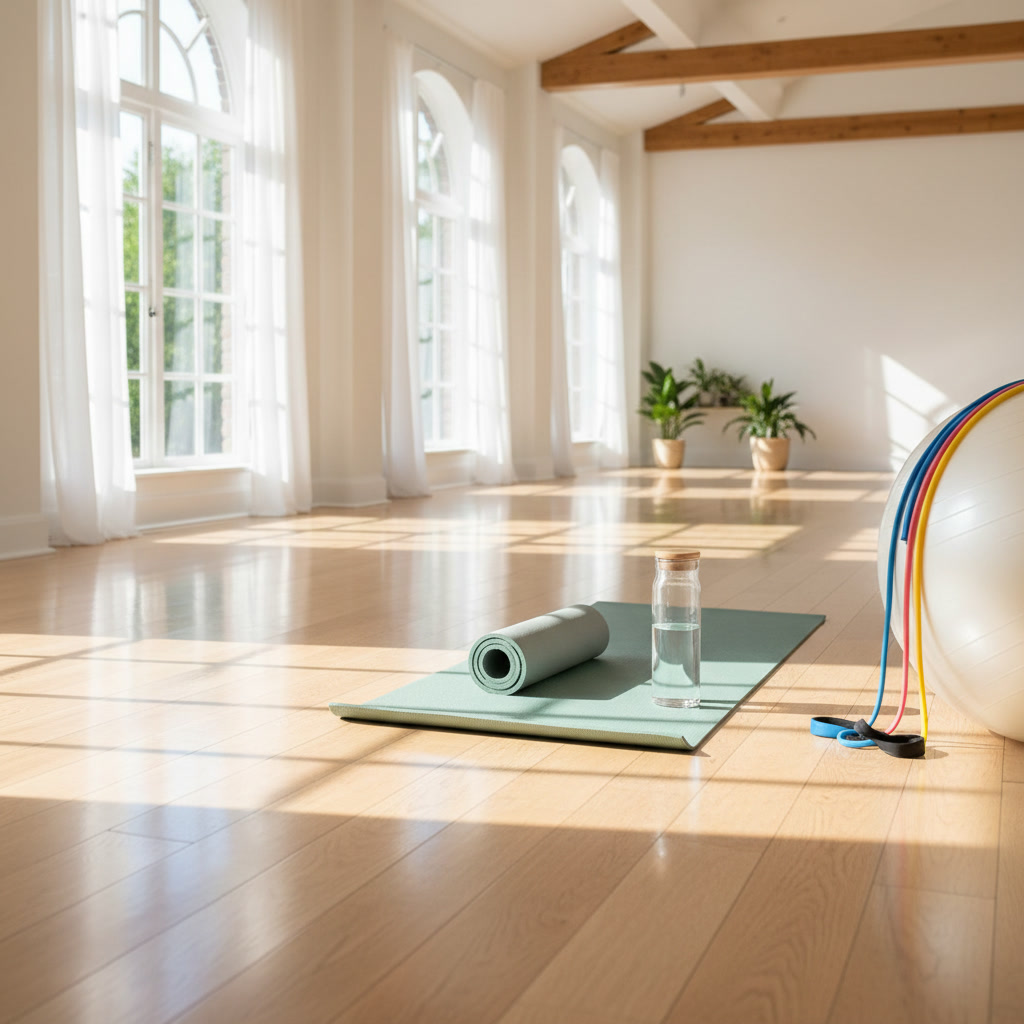
Safety Tips and Home Setup
- 1. Make sure the floor is clear of clutter, rugs, and cables.
- 2. Use a sturdy chair or wall for support.
- 3. Wear comfortable, non-slip shoes.
- 4. Have plenty of space to move freely.
Best Exercises for Better Balance (Beginner to Advanced)
Beginner Balance Exercises
Single-Leg Stand
- Stand upright near a wall or chair.
- Lift one leg off the ground and balance as long as possible.
- Repeat with the other leg. Start with 10 seconds per leg, increase over time.
Heel-to-Toe Walk
- Place the heel of one foot just in front of the toes of the other.
- Walk forward in a straight line for 10 steps.
- Keep your head up and look ahead, not at your feet.
Seated Leg Raises
- Sit on a chair with feet flat.
- Lift one leg straight out and hold for 5-10 seconds.
- Alternate legs for 10 reps each.
Intermediate Balance Exercises
Standing Marches
- Stand tall with arms at your sides.
- March in place, lifting knees high for 30 seconds.
- Try without holding on for extra challenge.
Side Leg Raises
- Hold onto a chair or wall for support.
- Lift one leg out to the side. Hold for 5 seconds.
- Repeat 10 times each side.
Balance and Reach
- Stand with feet shoulder-width apart.
- Slowly reach one arm forward or to the side while lifting the opposite leg back.
- Hold and return to start. Repeat 10 times each side.
Advanced Balance Exercises
Bosu Ball Workouts
- Place both feet on a Bosu ball (flat side down).
- Balance while slightly bending knees.
- Add single-leg stands or squats for harder variation.
Single-Leg Deadlifts
- Stand upright, feet together.
- Lift one leg back as you lean forward, keeping your back straight.
- Return to upright. Repeat 10 times per leg.
Yoga and Tai Chi for Balance
- Try poses like Tree Pose: Stand on one leg, foot against the inner thigh.
- Practice slow, focused Tai Chi movements a few minutes daily.
How to Progress and Challenge Your Balance
Increasing Difficulty Safely
- Start with stable surfaces. Move to unstable surfaces (pillows, balance boards).
- Try exercises with eyes closed or arms overhead.
- Increase holding times and repetitions gradually.
- Never rush progression. Safety comes first.
How Often to Practice for Best Results
Balance exercises can be practiced three to five times per week. Short daily sessions yield the best results. Track your progress and remain consistent.
Special Considerations: Balance for All Ages
Balance Exercises for Seniors
- Choose beginner exercises with support nearby.
- Include gentle movements and practice sitting-to-standing transitions.
Balance for Athletes
- Use advanced exercises like single-leg jumps and agility drills.
- Incorporate sport-specific movements and coordination routines.
Modifications for Injury or Limited Mobility
- Try seated exercises or use extra support.
- Work within pain-free range of motion.
- Consult with a healthcare provider before starting.
Integrating Balance Exercises Into Your Daily Routine
Quick Balance Routines for Busy Schedules
- Do single-leg stands while brushing teeth.
- Practice heel-to-toe walking during hallway trips.
- Perform seated leg raises during short breaks.
Everyday Activities That Boost Balance
- Take stairs instead of elevators.
- Stand up and sit down without using hands.
- Walk on uneven surfaces when safe.
FAQ: Best Exercises for Better Balance (2026)
- Q: How quickly can balance improve?
A: With regular practice, you may notice improvement in just two weeks. - Q: Is equipment necessary?
A: No. Most exercises need only a chair or safe space. Bosu ball or wobble board add challenge. - Q: Can kids do these exercises?
A: Yes. Balance exercises are safe and helpful for children. - Q: What if I feel dizzy or lose balance easily?
A: Stop and rest. Consult a doctor if symptoms persist.
Summary: Key Points and Next Steps
Balance is vital for wellbeing, injury prevention, and everyday function. Start with basic exercises, progress safely, and fit routines into your day. Use support and proper setup to reduce risk. Track improvement, seek help if needed, and challenge yourself as you grow. Begin your balance journey today for stronger stability and confidence.