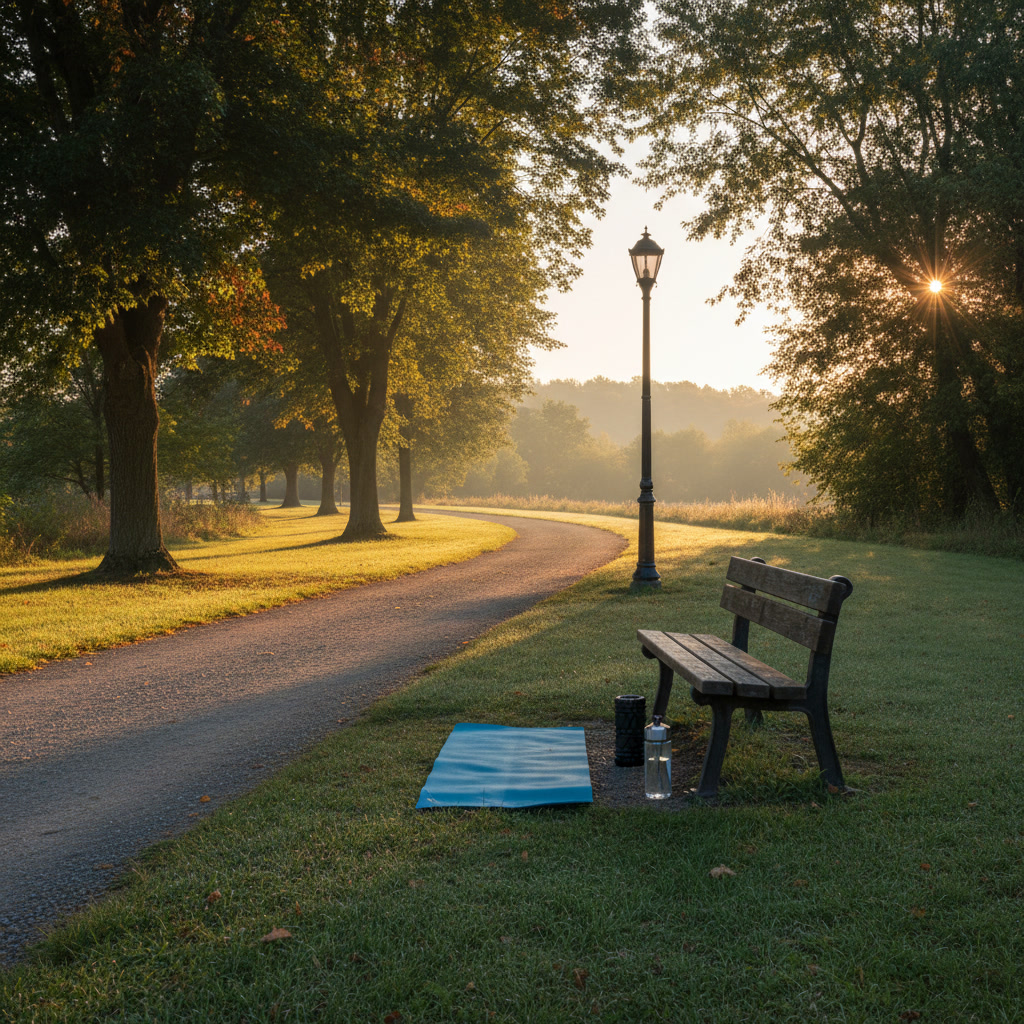
Morning Walk vs Evening Walk: Quick Comparison Overview
Key Benefits of Morning Walks
- Boosts energy for the whole day.
- Helps set a positive mood in the morning.
- Cleaner air in many locations.
- Promotes a strong daily routine.
Key Benefits of Evening Walks
- Aids relaxation after a busy day.
- Can help digest dinner and manage hunger.
- Cooler temperatures, especially in summer.
- Opportunity for social walking with friends or family.
Which Walk Suits Your Lifestyle?
- Morning walks suit early birds and strict routine followers.
- Evening walks fit people with busy mornings or those who prefer winding down in the evening.
Health Impacts of Walking at Different Times
Physical Health Advantages: Morning vs Evening
- Morning walks may support better metabolism for the day.
- Evening walks can help reduce muscle tension after work or study.
Mental Health & Mood Enhancement
- Morning walkers report better mood and focus during the day.
- Evening walks help relieve stress and anxiety built up through the day.
Sleep Quality and Energy Levels
- Morning walks help establish a natural sleep-wake cycle.
- Evening walks can improve sleep if not done too close to bedtime.
Morning Walk vs Evening Walk: Weight Loss and Fitness Implications
Calorie Burning Differences
- Both walks burn similar calories if the pace and distance are equal.
- Morning metabolism can lead to increased all-day calorie burn.
Fat Loss Efficiency
- Some studies suggest fasting morning walks may burn more fat.
- Evening walks after meals can reduce blood sugar spikes.
Metabolism Effects
- Morning walks kickstart metabolism earlier.
- Evening walks may boost metabolism while the body repairs overnight.
Morning Walk vs Evening Walk: Environmental and Practical Considerations
Air Quality and Pollution Levels
- Air is usually cleaner in the morning, especially in cities.
- Evening walks may face higher pollution after daily traffic.
Weather and Climate Factors
- Summer mornings are cooler and more pleasant for walking.
- In winter, evening temperatures may be more comfortable.
- Check the weather forecast before heading out.
Safety and Accessibility
- Morning walks are safer due to daylight.
- Evening walks require attention to well-lit, busy areas for safety.
How to Maximize the Benefits of Your Walk
Tips for Effective Morning Walks
- Wake up fifteen minutes earlier to prepare for your walk.
- Drink a glass of water before starting.
- Wear reflective clothes if walking before sunrise.
- Start with slow steps to warm up, then pick up the pace gradually.
- Complete your walk with gentle stretches.
Tips for Effective Evening Walks
- Avoid heavy, greasy meals before walking.
- Choose safe, well-lit routes with even surfaces.
- Inform family or friends about your walking time.
- Walk with a companion for motivation.
- Do not walk too close to bedtime to avoid sleep problems.
What to Wear and Carry
- Comfortable walking shoes with good grip and support.
- Weather-appropriate clothing (a light jacket, hat, or raincoat if needed).
- Reflective gear or a flashlight for low-light conditions.
- A small water bottle.
- Your phone for safety and tracking your walk.
FAQ: Morning Walk vs Evening Walk – Frequently Asked Questions
Can I combine both for better health?
Yes, walking in both the morning and evening can increase your daily activity, support fitness goals, and improve overall health. However, listen to your body and do not overstrain yourself.
Is one time better for heart health?
Both morning and evening walks improve heart health. The best time is the one you can regularly stick with, as consistency is most important for cardiovascular benefits.
Are there age-specific recommendations?
Children and teens can walk safely at any time under supervision. Older adults might prefer morning walks for safety but should avoid walking when it's dark.
Morning Walk vs Evening Walk: Which Should You Choose?
- Consider your daily schedule. If you have more free time in the morning, a morning walk may fit better.
- Think about your goals. Want to start the day energized? Prefer relaxing after school or work? Choose accordingly.
- Factor in local air quality and weather; mornings are often cleaner and cooler but check your climate.
- Prioritize safety and choose routes that are well-lit and busy during your walk time.
- The best walk is the one you can enjoy and continue long-term.
Summary: Key Points and Next Steps
- Morning walks boost daily energy, mood, and metabolism and offer cleaner air in most places.
- Evening walks help relax, burn calories after meals, and digest food better.
- Choose the time that best suits your routine, environment, and safety needs.
- Wear comfortable shoes, carry water, and inform someone of your route for safety.
- Start with short walks, increase time and intensity gradually, and maintain consistency for the best health results.
Now that you understand the differences between morning and evening walks, pick the routine that works for you and start moving today! Consistency is the most important step towards better health at any age.