Why Start with Bodyweight Exercises?
Benefits of Bodyweight Training for Beginners
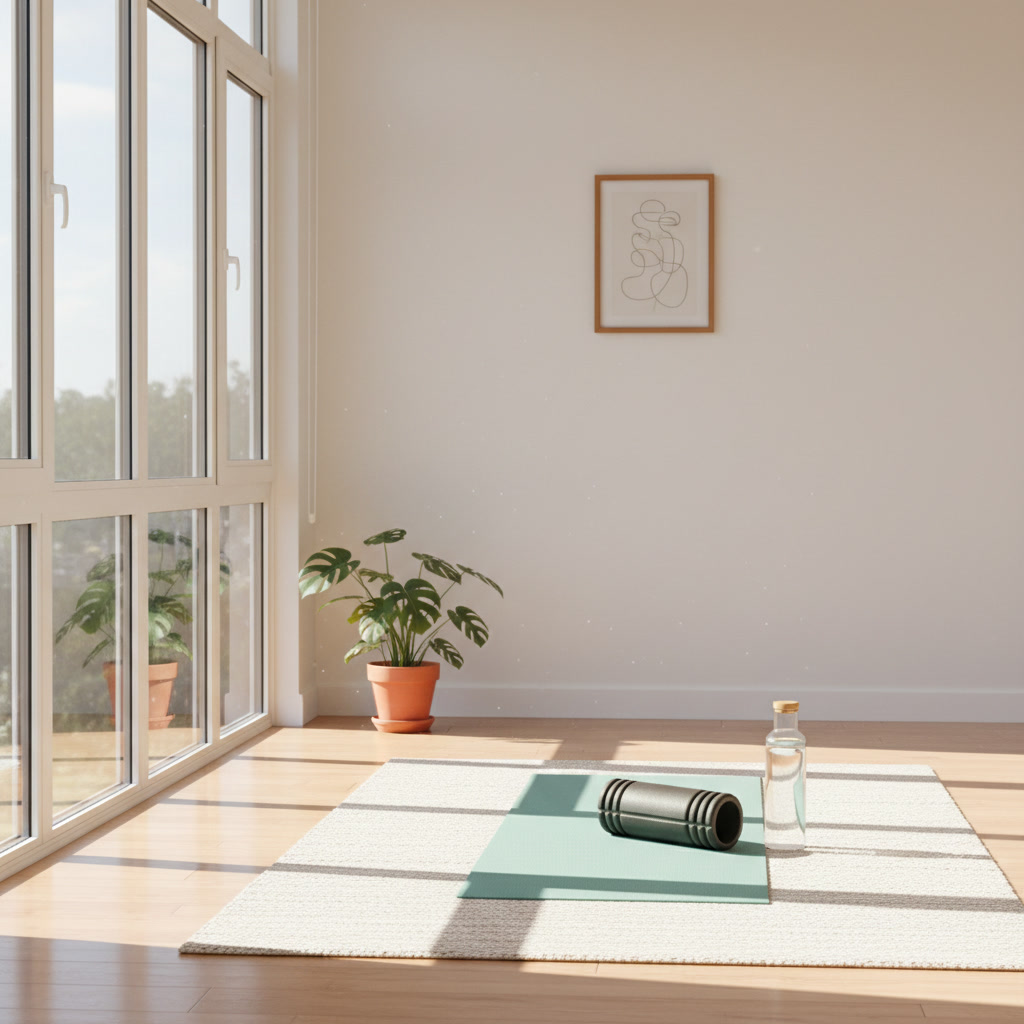
Bodyweight exercises are an excellent starting point for fitness. They require no equipment, can be done anywhere, and are easy to learn. For beginners, bodyweight training helps build strength, flexibility, and balance. It teaches proper movement and body control. Regular practice also boosts confidence and motivation.
- No equipment needed
- Enhances balance and flexibility
- Reduces risk of injury
- Accessible to everyone
Common Myths About Bodyweight Workouts
Some believe bodyweight exercises are not effective. This is false. Beginners can gain significant strength with bodyweight moves. Another myth is that only advanced athletes can benefit. The truth is anyone can progress. Finally, some people think you need a gym to get fit. With bodyweight training, your home can be your gym.
- Myth: Bodyweight workouts are too easy or not challenging
- Myth: You need machines for real progress
- Myth: Bodyweight exercises don't build muscle
- Fact: Consistency and proper form yield great results
How to Get Started with Bodyweight Exercises
Setting Realistic Fitness Goals
- Identify your reasons for starting (health, strength, confidence)
- Set measurable goals like “do 10 push-ups in a row” or “exercise 3 times per week”
- Track your progress and adjust goals as you improve
- Celebrate small achievements to stay motivated
Key Safety Tips for Beginners
- Always warm up before starting
- Focus on correct form to avoid injuries
- Start slow and increase intensity gradually
- Listen to your body – stop if you feel pain
- Stay hydrated during workouts
Essential Warm-Up Moves
- Jumping jacks – 30 seconds
- Arm circles – 30 seconds forward, 30 seconds backward
- Hip circles – 30 seconds
- Leg swings – 10 per leg
- Marching in place – 1 minute
Warming up prepares muscles and joints for exercise. It reduces injury risk and improves performance.
The 10 Best Bodyweight Exercises for Beginners
Push-Ups
- Start in a plank position with hands slightly wider than shoulders
- Keep your body straight and lower yourself until your elbows bend at 90 degrees
- Push back up to starting position
- Do 8-12 reps
Squats
- Stand with feet shoulder-width apart
- Lower your body by bending knees and hips, keeping chest up
- Go as low as comfortable, then return to standing
- Do 10-15 reps
Lunges
- Stand upright, step forward with one leg
- Lower body until both knees are at 90 degrees
- Push back to standing and repeat on other leg
- Do 8-12 reps per leg
Planks
- Start on forearms and toes, body in a straight line
- Hold position without letting hips sink
- Start with 20-30 seconds, work up to 1 minute
Glute Bridges
- Lie on your back, knees bent, feet flat
- Lift hips by pressing feet into the ground
- Squeeze glutes, lower back down
- Do 10-15 reps
Bird Dogs
- Start on hands and knees
- Extend left arm and right leg, keep them straight
- Return to start, switch sides
- Do 8-12 reps each side
Mountain Climbers
- Start in plank position
- Bring one knee toward chest, switch quickly
- Alternate legs rapidly for 20-30 seconds
Supermans
- Lie face down, stretch arms forward
- Lift arms, legs, and chest off the ground
- Hold for 2-3 seconds, lower down
- Do 10-12 reps
Wall Sits
- Stand with back against a wall, feet shoulder-width
- Slide down until knees are bent at 90 degrees
- Hold position for 20-40 seconds
- Rest and repeat
Triceps Dips (using a chair)
- Place hands on edge of a sturdy chair, feet forward
- Lower body by bending elbows
- Push up to starting position
- Do 8-12 reps
Sample Bodyweight Workout Plan for Beginners
20-Minute Full Body Routine
- Warm-up: 5 minutes (see warm-up moves above)
- Push-Ups: 8-12 reps
- Squats: 15 reps
- Lunges: 10 reps per leg
- Plank: 30 seconds
- Glute Bridges: 15 reps
- Mountain Climbers: 30 seconds
- Triceps Dips: 10 reps
- Wall Sits: 30 seconds
- Rest for 30 seconds between exercises
- Repeat circuit twice
Customizing Your Routine Based on Fitness Level
- Beginners: Start with once through the circuit
- Intermediate: Add a third round
- Advanced: Increase reps or hold times
- Adjust rest times as needed
- Track progress and raise challenge every week
Common Mistakes Beginners Make with Bodyweight Exercises
Poor Form and How to Fix It
Poor technique can lead to injury and limit progress. Always work slowly, watch yourself in a mirror, or record a video. Learn proper movement online or from a coach.
- Knees caving in during squats
- Sagging hips during push-ups or planks
- Illegally locked elbows or joints
- Solution: Slow down, focus on quality, ask for feedback
Inconsistency and Motivation Tips
- Set workout times and stick to them
- Use a calendar or app to log sessions
- Find a workout partner for support
- Reward yourself for achieving goals
- Remember improvement takes time
Frequently Asked Questions About Bodyweight Training
- How often should I do bodyweight workouts? 2-4 times per week for beginners works well.
- Can I build muscle with bodyweight exercises? Yes! As you get stronger, increase reps or intensity.
- Do I need special gear? No, just comfortable clothes and a chair.
- How quickly will I see results? Most people notice progress in 4-6 weeks.
- What if I find exercises too hard? Modify them. Do push-ups on knees or use a wall for support.
Resources and Apps to Track Your Progress (2026)
- MyFitnessPal – log workouts and nutrition
- FitOn – free bodyweight workouts with video guides
- Strava – connect with friends and share progress
- Strong – track exercise routines and improvements
- YouTube – tutorials for every bodyweight move
Summary: Key Points and Next Steps
- Bodyweight exercises are safe, effective, and accessible for beginners
- Start with basic moves, focus on correct form
- Always warm up and progress slowly
- Log workouts for motivation and consistency
- Try the sample routine or build your own
- Use apps to monitor progress and connect with others
- Gradually increase reps, sets, or challenge as you improve
The next step is to start today with the sample routine. Adjust as needed and keep moving forward!