Why a Calmer Morning Routine Matters in 2026
The Science Behind Morning Stress
Many people experience stress as soon as they wake up. Studies show that high cortisol levels in the morning can make us feel anxious. When we rush, our brains trigger a ‘fight-or-flight' mode. This makes it harder to think clearly or feel happy during the day.
Benefits of a Relaxed Morning Routine
Creating a calm morning routine reduces stress and improves mental health. It helps us stay focused and energetic throughout the day. People who start their mornings peacefully often report better moods, better concentration at school or work, and improved relationships with others.
How to Plan Your Calmer Morning Routine
Assess Your Current Morning Habits
- Write down your usual morning steps for one week.
- Notice patterns. Are you rushing? Skipping breakfast? Checking your phone early?
- Identify activities that make you feel anxious or relaxed.
Identify Key Stress Triggers
- Think about moments in your morning when you feel most stressed.
- Ask yourself: Is it hard to wake up? Do you often forget things? Are arguments common?
- List your top three stress triggers to target.
Step-by-Step Guide: Creating a Calmer Morning Routine
1. Prepare the Night Before
- Set out your clothes and school or work supplies.
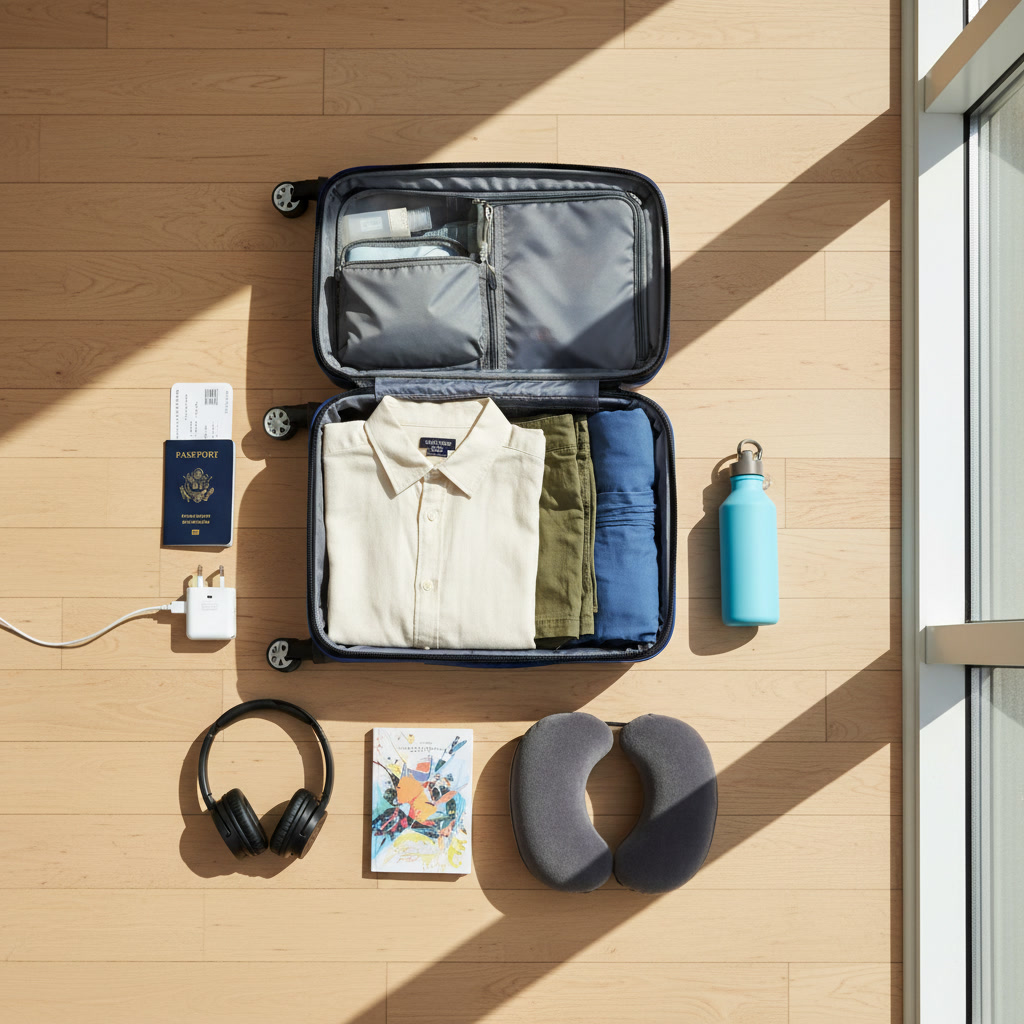
- Pack your bag and fill your water bottle at night.
- Decide what you will have for breakfast, or even prepare parts in advance.
- Make a quick to-do list to lower worry about remembering tasks.
2. Wake Up Mindfully (Not Just Early)
- Place your alarm across the room so you must get up to turn it off.
- Take three deep breaths as soon as you wake.
- Open your curtains to let in natural light, if possible.
- Stretch gently before leaving your room—this helps signal your body it's time to start the day.
3. Incorporate Gentle Movement or Stretching
- Set aside 3-5 minutes for simple stretches or yoga poses.
- Try movements like shoulder rolls, neck stretches, or reaching toward your toes.
- If time allows, take a quick walk outside or do a few jumping jacks to wake your body.
4. Mindful Nutrition: Breakfast Ideas for Calm
- Choose balanced breakfasts with protein, whole grains, and fruit: oatmeal, yogurt with granola, or eggs on whole grain bread.
- Eat slowly, noticing flavors and textures.
- Drink a glass of water before your coffee or tea to hydrate your body after sleep.
5. Digital Detox: Managing Technology Use
- Keep your phone and devices outside your bedroom if possible.
- Avoid checking social media or emails for at least 15 minutes after waking.
- Instead, listen to calm music or read a motivational quote.
6. Quick Mindfulness or Meditation Practices
- Try a simple breathing exercise: in for four seconds, out for four seconds, repeated five times.
- If you prefer, use a meditation app for a 2-5 minute guided session.
- Think of something you are grateful for before starting your day.
7. Simple Time Management Tips for Mornings
- Set your alarm for the same time each day for routine.
- Allow 5 extra minutes for unexpected delays.
- Group similar tasks, like brushing teeth and washing face, to save steps.
- Check your to-do list from the night before.
Personalizing Your Calmer Morning Routine
Adapting for Different Lifestyles and Schedules
- If you have a long commute, try using travel time for reflection or listening to calming music.
- If you play sports or have early activities, adjust your wake-up time to include a calm start.
- On weekends, allow for more flexibility, but keep one or two calming habits consistent.
Tips for Families, Parents, and Roommates
- Prepare shared areas and breakfasts together at night.
- Create a family or roommate calendar to help everyone know the plan.
- Give everyone a few minutes of personal quiet time before the morning gets busy.
- Assign simple tasks so no one feels overwhelmed.
Common Challenges and Troubleshooting for Calmer Mornings
What to Do on Rough or Busy Days
- Pick one calming action (like deep breathing or a healthy breakfast), even if you skip the rest.
- Accept that not every morning will be perfect; be kind to yourself.
- Ask for help if you need it—share morning tasks with family or friends when you can.
How to Build Consistency and Not Give Up
- Start small; add only one or two new habits at a time.
- Track your progress for two weeks, marking each success.
- If you miss a day, don’t quit—try again the next morning.
- Review what works and change what doesn’t after a month.
FAQ: How to Create a Calmer Morning Routine
- Q: Do I have to wake up very early?
A: No. A calmer routine is more about what you do, not how early you wake up. Try to be consistent with your wake-up time. - Q: What if my family or roommates are noisy?
A: Use earplugs, calming music, or find a quiet spot for a few moments, if possible. - Q: How can I avoid feeling rushed?
A: Prepare as much as you can the night before and allow buffer time in your schedule. - Q: What if I don't have time for breakfast?
A: Prepare a simple breakfast in advance, like fruit or overnight oats, so it’s ready to go. - Q: Can I use my phone for meditation or music?
A: Yes, if you avoid social media or stressful news at first. Use calming apps or playlists.
Resources and Tools to Support Your Calmer Mornings
- Morning routine apps: Try apps like Fabulous or Calm to guide you.
- Stretch and yoga guides: Find simple videos on YouTube or free apps for beginners.
- Meditation tools: Use apps like Headspace or Insight Timer for short sessions.
- Healthy breakfast ideas: Follow simple food blogs or apps that give quick recipes.
- Printable checklists: Make or download a simple morning checklist to keep yourself on track.
Summary: Key Takeaways and Next Actions
- A calmer morning routine starts with planning and small daily actions.
- Identify what makes you feel stressed, and focus on simple ways to reduce it.
- Include movement, mindful eating, and technology breaks for a peaceful start.
- Adjust your routine for your own lifestyle and keep trying, even if some days are hard.
- Use available tools, resources, or helpful apps to support your new habits.
Start today: pick one calming step for tomorrow morning and notice the difference. Over time, these small changes can lead to big results for a calmer, happier day.