Building a consistent exercise routine is essential for both physical and mental health. Whether you're new to exercise or aiming to improve your habits, this guide is designed for grade 9 learners, offering clear steps, practical solutions, and expert advice. Follow these steps to establish lasting fitness habits and achieve your goals.
Why Consistency in Exercise Matters for Overall Health
Regular exercise boosts mood, strengthens muscles, improves heart health, and increases energy. Being consistent ensures long-term benefits such as reducing stress, maintaining a healthy weight, and feeling more confident. Exercise also helps prevent chronic diseases and supports strong bones.
How to Set Realistic Goals for Your Exercise Routine
1. Identifying Your Motivation
Ask yourself why you want to exercise. Common reasons include improving sports performance, feeling healthier, or building strength. Write your motivations down as reminders.
2. Understanding Your Current Fitness Level
Assess your starting point honestly. Can you walk for 20 minutes without getting tired? Do you play sports occasionally or rarely? Understanding your current fitness level helps set achievable goals and prevents injury.
How to Choose the Right Exercise Routine for Your Lifestyle
1. Assessing Time Commitments
Review your weekly schedule. Identify free slots for exercise. Even busy students can usually fit in 20-30 minute sessions three times a week.
2. Selecting Enjoyable Activities
Pick exercises you enjoy. This might be dancing, biking, team sports, swimming, or jogging. Enjoyment makes it easier to stay consistent.
3. Incorporating Variety to Prevent Boredom
Mix different activities each week. Try alternating between running, strength workouts, and yoga. Variety keeps routines interesting and works different muscle groups.
Strategies for Building and Maintaining Consistent Exercise Habits
1. Scheduling Workouts Into Your Calendar
- Choose specific days and times.
- Put them in your phone or planner.
- Treat workouts like important appointments.
2. Tracking Progress and Celebrating Milestones
- Keep a simple workout journal.
- Record each session, duration, and activity.
- Set mini-goals, like running an extra five minutes, and celebrate when you achieve them.
3. Accountability Partners and Communities
- Find a friend or family member to join you.
- Share goals and check in regularly.
- Join school clubs or online challenges for extra motivation.
How to Overcome Common Barriers to Exercise Consistency
1. Dealing With Lack of Motivation
- Remind yourself of your motivation daily.
- Change activities if you're bored.
- Set rewards for sticking to your routine.
2. Managing Time Constraints
- Break exercise into shorter sessions (e.g., two 15-minute workouts).
- Use quick routines like HIIT (High Intensity Interval Training).
- Exercise during free periods or after school.
3. Preventing and Handling Burnout or Injury
- Add rest days to your schedule.
- Follow proper warm-up and cool-down steps.
- If injured, rest and consult a health professional before resuming activity.
Expert Tips for Staying Consistent Long-Term
- Set both short-term and long-term goals.
- Reflect on your progress every month.
- Adjust your plans if your schedule changes.
- Remember that missing a day doesn't mean failing. Restart when ready.
- Stay positive and patient with yourself.
Frequently Asked Questions: How to Build a Consistent Exercise Routine
| Question | Answer |
|---|---|
| How often should I exercise as a beginner? | Start with 2-3 sessions a week for 20-30 minutes each. |
| What do I do if I lose motivation? | Change your activities, set new goals, and ask friends for support. |
| Can I exercise if I’m very busy? | Yes, break workouts into small segments and use free time creatively. |
| What if I don't see progress quickly? | Be patient. Progress may take weeks. Focus on consistency and habits. |
| How can I prevent injury? | Warm up, cool down, listen to your body, and start with manageable routines. |
Preparation: Tools and Materials Needed
- Comfortable sports clothes and shoes
- Water bottle
- Notebook or fitness app for tracking progress
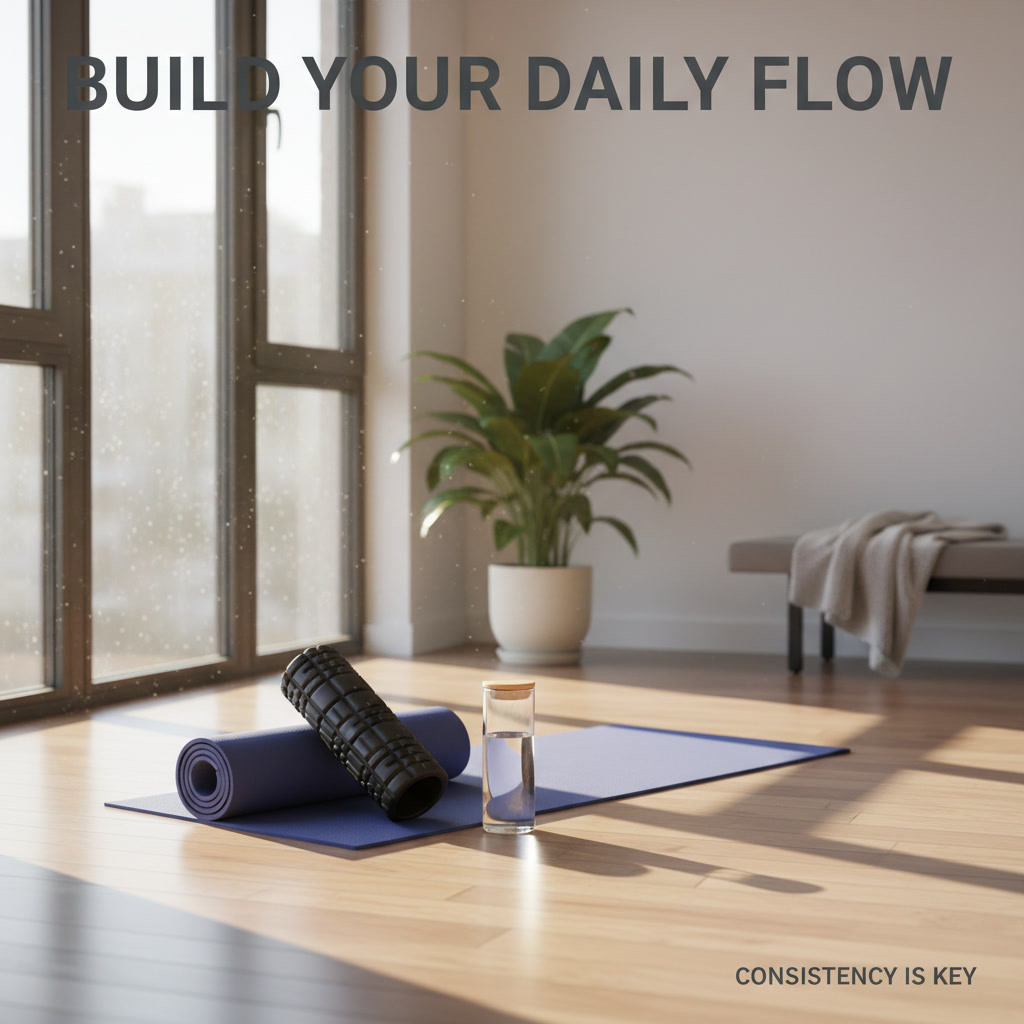
- Basic equipment (e.g., jump rope, yoga mat, or resistance bands – optional)
Step-by-Step Tutorial: Building a Consistent Exercise Routine
-
Step 1: Define Your Motivation and Goals
Write down why you want to exercise and what you hope to achieve. Examples: feel stronger, improve grades in PE, or reduce stress.
-
Step 2: Assess Your Current Fitness
Test simple exercises such as walking, basic squats, or jumping jacks. Write your results to see where you start.
-
Step 3: Check Your Weekly Schedule
Mark free time slots for exercise, aiming for at least 2-3 sessions a week.
-
Step 4: Choose Activities You Like
Pick from sports, cycling, running, or group fitness. You’re more likely to continue with activities you enjoy.
-
Step 5: Add Variety to Your Plan
Mix in different workouts each week, such as strength, cardio, and flexibility to keep things interesting.
-
Step 6: Create a Workout Calendar
Schedule exercise like school classes. Put reminders in your phone or planner.
-
Step 7: Track Progress Weekly
Check off completed sessions and make a chart of your achievements. Celebrate when you reach goals.
-
Step 8: Find Support and Join Groups
Ask friends or family to join you. Join clubs or online communities for extra encouragement.
-
Step 9: Adjust Goals as Needed
Regularly review and modify your plan based on progress and changes in your schedule.
-
Step 10: Reward Yourself and Stay Positive
After reaching milestones, treat yourself with a small reward. Remember that consistency is the key to success.
Common Difficulties and Solutions
| Difficulty | Solution |
|---|---|
| Boredom with Routine | Mix new activities or change scenery, such as exercising outdoors. |
| Lack of Time | Fit in mini-sessions and use weekends for longer workouts. |
| No Support | Join online fitness groups or talk to teachers for guidance. |
| Feeling Tired | Check your sleep, nutrition, and include rest days in your routine. |
| Minor Injury | Rest, ice it, and return slowly with lighter activity. |
Advanced Tips: Optimizing and Improving Your Routine
- Try interval training for faster results.
- Increase workout intensity gradually.
- Set monthly challenges for yourself or friends.
- Use fitness apps to track and motivate your progress.
- Incorporate mindfulness after workouts by meditation or stretching.
Summary: Key Takeaways and Next Steps
- Consistency is the foundation of health and fitness.
- Set clear, realistic goals and track your progress.
- Choose activities you enjoy and stay flexible with your plans.
- Celebrate milestones and seek support when needed.
- Take the next step by starting your personalized routine today!