Long flights can be exhausting, but with the right preparation and strategies, you can make your journey much more comfortable. This guide is perfect for grade 9 students who want to enjoy long-haul travel while knowing how to stay relaxed and healthy. From choosing the best seat and packing smart, to managing jet lag and using the latest tech gadgets, you’ll discover easy ways to ensure a pleasant flight experience in 2026.
Preparing for a Comfortable Long Flight
1. Choosing the Best Seat for Comfort
- Book Early: Reserve your seat as soon as possible for more options.
- Consider Location: Choose an aisle seat to stretch your legs or a window seat if you want to rest your head and have fewer disturbances.
- Check Seat Maps: Use airline apps or websites to see which seats have more legroom (like exit row or bulkhead seats).
- Avoid Seats Near Restrooms or Galleys: These areas can be noisy and busy.
2. Packing Smart: Must-Have Travel Essentials
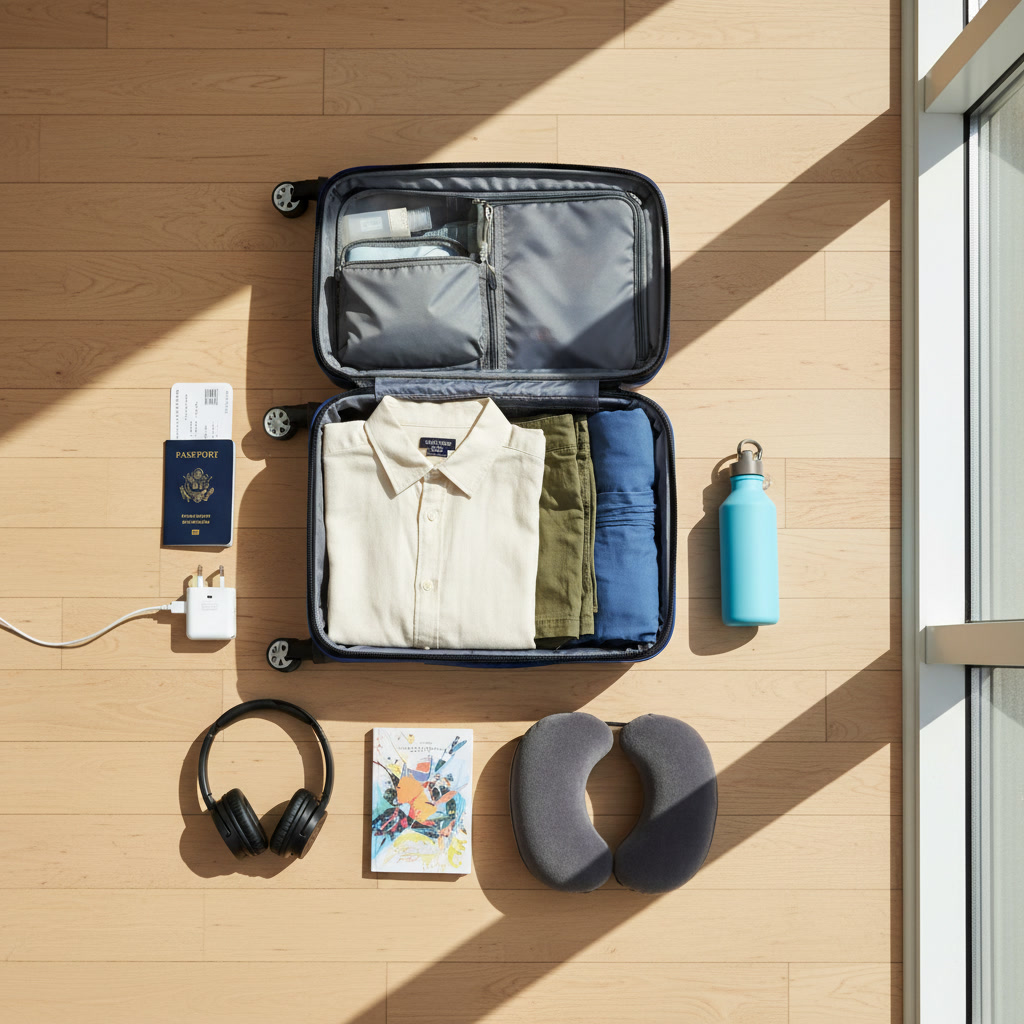
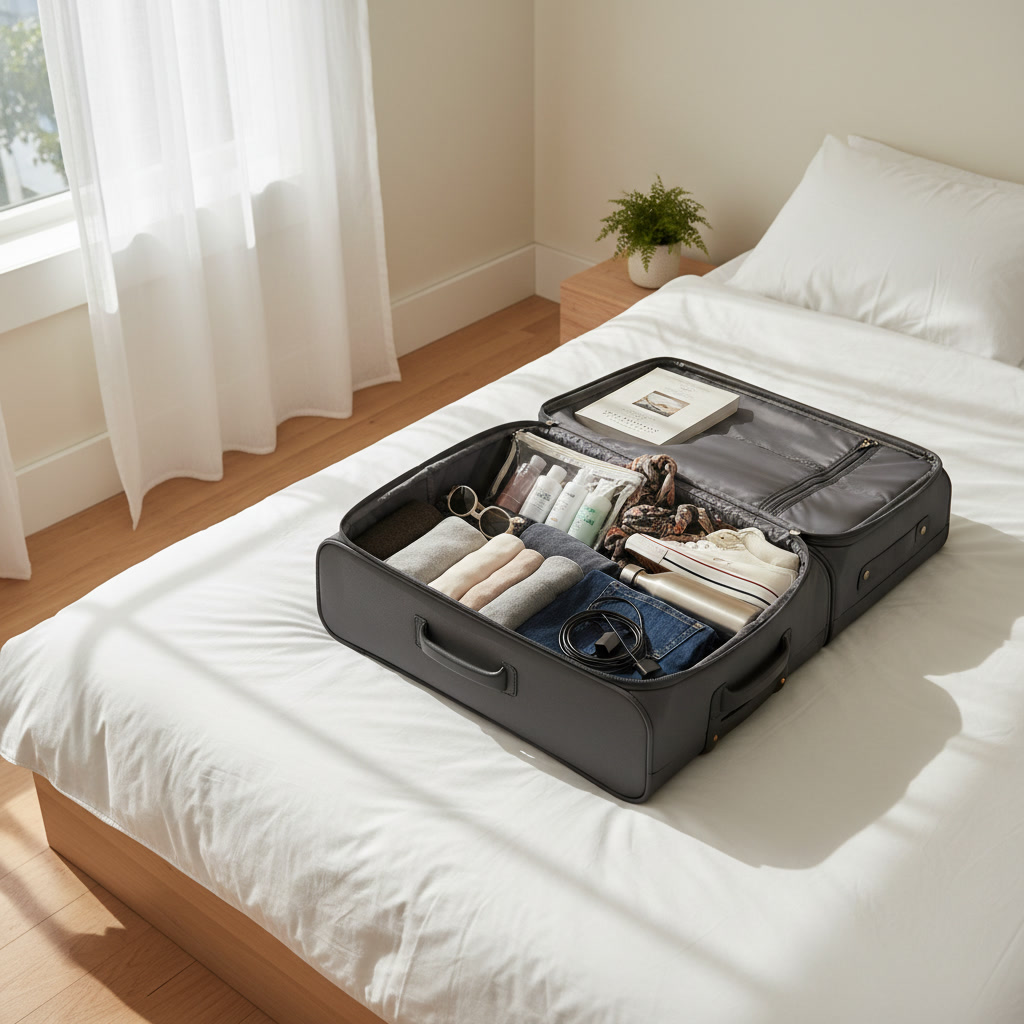
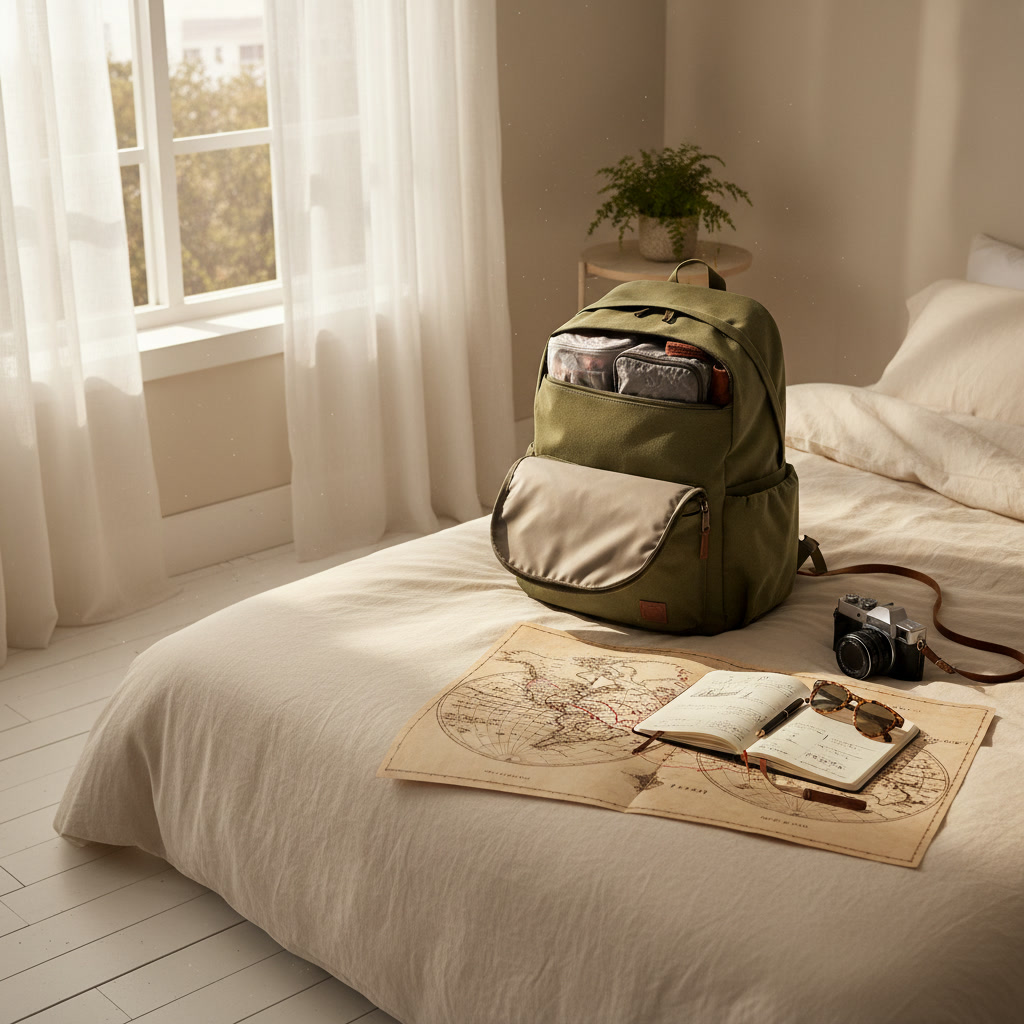
- Carry-On Bag: Pack a small bag with your essentials for easy access.
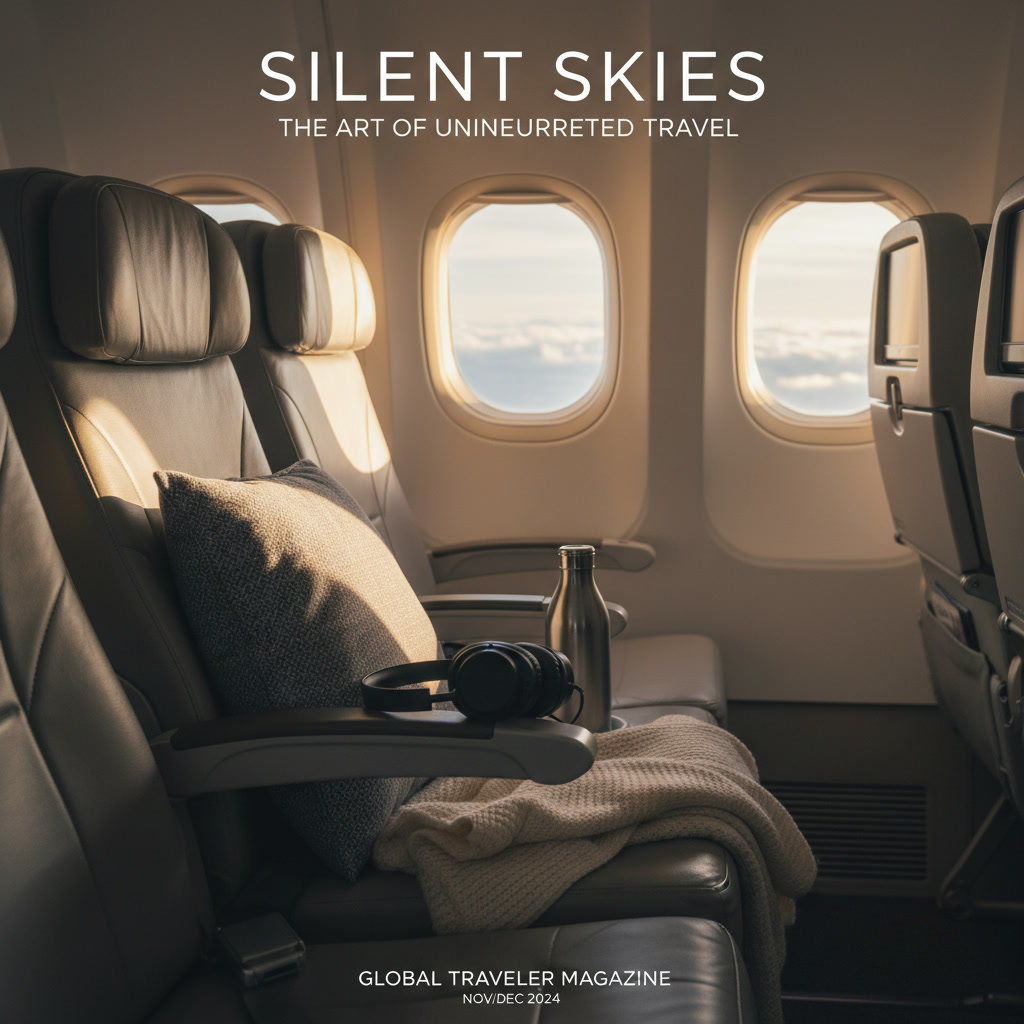
- Travel Pillow and Blanket: These help you sleep better on the plane.
- Eye Mask and Earplugs: Block out lights and noise for restful sleep.
- Reusable Water Bottle: Stay hydrated without needing to wait for the crew.
- Snacks: Bring healthy snacks like nuts, fruit, or granola bars.
- Sanitizer and Wipes: Keep your space clean and reduce germs.
3. Planning Your In-Flight Entertainment
- Download Content: Save movies, TV shows, music, or podcasts to your devices before your flight.
- Bring a Book or Magazine: Sometimes screens get tiring; reading is a good alternative.
- Travel Games or Puzzles: Small games or crossword puzzles make time pass faster.
- Chargers and Adaptors: Ensure your devices stay powered during the flight.
What to Wear on Long Flights for Maximum Comfort
1. Clothing Materials and Styles to Avoid
- Avoid Tight Clothes: Tight clothing can restrict circulation and make you uncomfortable.
- Stay Away from Heavy Fabrics: Materials like denim or thick wool can be too warm or stiff.
- Do Not Wear Excessive Layers: Try instead to bring one comfortable jacket or sweater you can take off easily.
2. Footwear Selection Tips
- Choose Slip-On Shoes: These are easy to remove, especially during security checks and when relaxing on the plane.
- Wear Socks: Your feet might get cold, so bring a clean pair of warm socks.
- Avoid High Heels or Boots: Choose shoes that allow your feet to swell a bit and stay comfortable.
Maintaining Physical Comfort During the Flight
1. Sleeping Tips for Long-Haul Flights
- Use Eye Masks and Earplugs: Block out light and noise for better sleep.
- Choose a Good Neck Pillow: Support your head and neck to avoid waking up sore.
- Follow Your Destination's Sleep Time: Try to sleep according to the time zone you are flying to.
- Avoid Caffeine: Do not drink coffee or energy drinks if you plan to sleep.
2. Stretching and Movement Exercises
- Stand Up Every 1-2 Hours: Walk up and down the aisle if possible to help blood circulation.
- Stretch in Your Seat: Move your arms, roll your shoulders, and flex your toes and ankles.
- Do Calf Raises: Lift your heels while sitting or standing to keep your legs active.
- Gentle Neck Rolls: Prevent stiffness by moving your head slowly in circles.
3. Posture and Ergonomics
- Sit Up Straight: Keep your back supported by the seat. Use a pillow or blanket for lumbar support if needed.
- Adjust Your Seat: Recline a bit, but not too much—find a comfortable angle for your back and legs.
- Keep Feet Flat: Place both feet on the floor to improve circulation and comfort.
- Switch Positions: Change how you sit every couple of hours to stay comfortable.
Managing Food, Hydration, and Wellness on Long Flights
1. Best Snacks to Bring
- Healthy Snacks: Nuts, seeds, dried fruit, and protein bars are filling and easy to carry.
- Low-Sodium Options: Salty foods can make you feel bloated, so choose low-salt snacks.
- Avoid Smelly Foods: Be polite to those around you—don’t bring foods with strong odors.
2. Staying Hydrated Efficiently
- Drink Water Regularly: Aim for a glass of water every hour you’re awake.
- Limit Sugary Drinks and Caffeine: Sodas and coffee can dehydrate you.
- Refill Your Bottle: Use your reusable bottle and refill it whenever attendants offer water.
3. Avoiding Jet Lag and Fatigue
- Set Your Watch: Change your watch to your destination’s time at the start of your flight.
- Nap Wisely: Don’t oversleep on the plane; short naps are better for adjusting quickly to the new time zone.
- Get Sunlight After Arrival: Seek natural light once you land; it helps reset your internal clock.
- Try Light Meals: Heavy foods can make you more tired; eat smaller portions during your flight.
Tech Tools and Accessories for Comfort
1. Noise-Canceling Headphones and Earplugs
- Use Noise-Canceling Headphones: Block engine noise and create a peaceful environment for movies, music, or relaxing.
- Carry Earplugs: Simple foam earplugs reduce background sounds and make sleeping easier.
2. Neck Pillows and Travel Blankets
- Invest in a Quality Pillow: Memory foam or inflatable pillows support your neck better than basic ones.
- Pack a Portable Blanket: Airlines may not provide good blankets; bring your own just in case.
3. Portable Chargers and Device Management
- Bring Portable Chargers: Power banks keep your devices charged throughout a long journey.
- Organize Charging Cables: Use a small pouch to keep cables tidy and easy to find.
- Check Plug Types: If you’re traveling internationally, make sure to bring the right adapter.
Coping with Common In-Flight Issues
1. Tips for Managing Anxiety or Discomfort
- Practice Deep Breathing: Breathe in slowly through your nose and out through your mouth to stay calm.
- Listen to Soothing Music or Meditations: Use apps or audio tracks designed to promote relaxation.
- Distract Yourself: Books, games, or movies help shift your focus away from discomfort.
- Talk to Flight Crew: Let them know if you feel unwell—they are trained to help.
2. Dealing with Turbulence and Cabin Pressure
- Fasten Your Seatbelt: Always keep your seatbelt on when seated to stay safe during turbulence.
- Use Chewing Gum or Yawn: This helps relieve ear pressure when the plane changes altitude.
- Stay Calm: Turbulence is normal and planes are designed to handle it.
- Adjust Earplugs or Headphones: For sensitive ears, specialized earplugs can help equalize pressure.
FAQ: How to Make Long Flights More Comfortable
- What is the best seat for sleeping? A window seat is often best for leaning against the wall and sleeping without disturbance.
- How can I avoid my legs getting sore? Stand up, stretch, and do seated exercises every 1-2 hours.
- What should I do if I get bored? Bring a mix of entertainment like movies, games, music, and puzzles.
- Are travel pillows really helpful? Yes—especially memory foam or inflatable models that support your neck.
- Is it safe to use electronic devices the whole flight? Yes, just keep them in airplane mode and make sure you have enough battery.
Final Recommendations for Comfortable Long Flights in 2026
- Plan ahead by choosing your ideal seat and packing strategically with comfort essentials.
- Wear loose, soft clothing and slip-on shoes for better circulation and relaxation.
- Stay hydrated, eat light, and use movement breaks to maintain your health.
- Invest in modern tech tools like noise-canceling headphones and portable chargers to make your experience easier.
- Don’t forget to prepare for mental comfort too: bring entertainment, practice relaxation techniques, and ask the crew for help if needed.
- Apply these tips every time you travel for a consistently better long-haul flight experience.
By following these steps, you’ll know exactly how to make long flights more comfortable. Safe travels in 2026 and beyond!