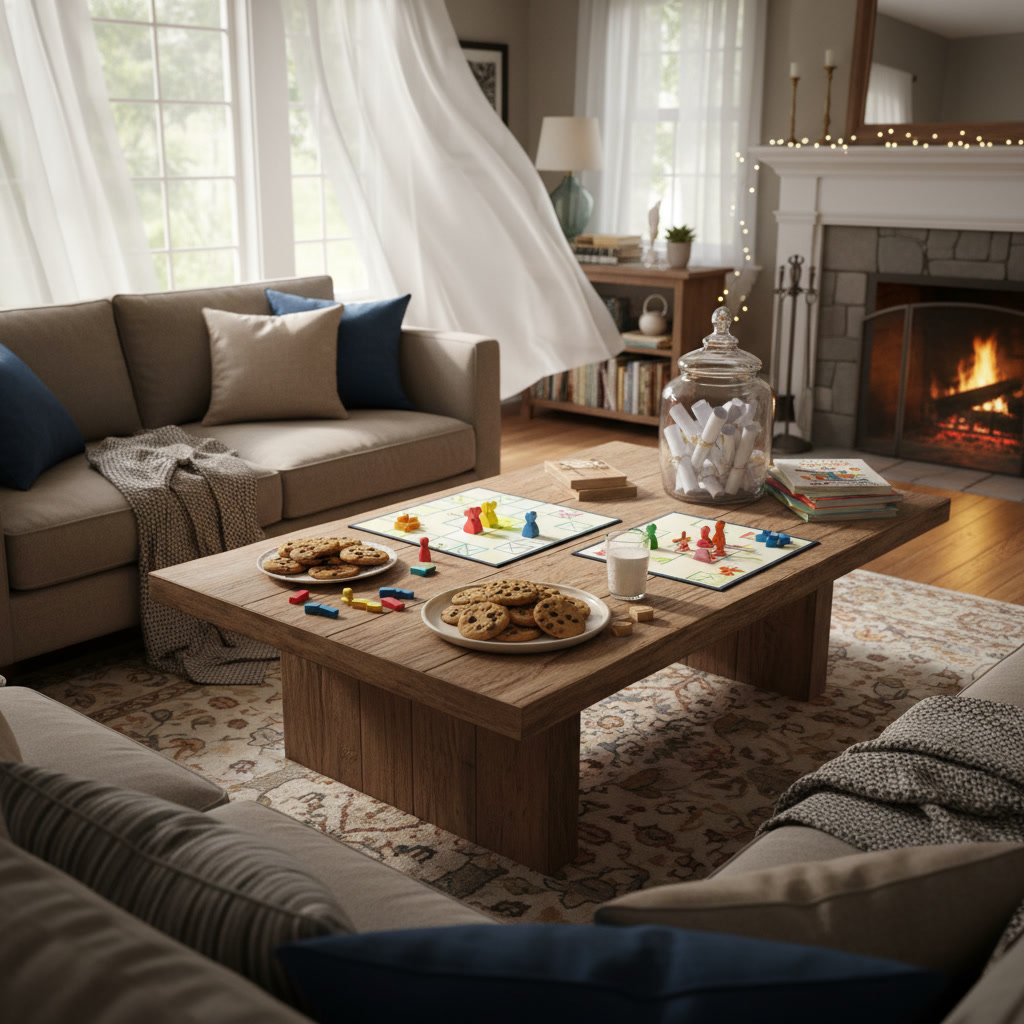
Why Family Traditions Matter for Kids
Benefits of Family Traditions
Family traditions help children feel safe and connected. These routines give kids a sense of belonging, and they can help make family bonds stronger. Traditions are also a way to teach values and create a happy environment at home.
Impact on Child Development
Family traditions support your child’s mental and emotional growth. Regular traditions help with clear communication and social skills. Children who have strong family traditions often show higher self-esteem and do better in school. They feel supported, loved, and understood.
Creating Lasting Memories
Traditions turn ordinary moments into special memories that stay forever. By celebrating together, families make stories to share and remember. These shared experiences become part of your child’s life story and shape how they see the world.
How to Choose the Best Family Traditions for Your Family
Considering Your Family’s Values and Lifestyle
Before starting a tradition, think about what matters most to your family. What makes you unique? Choose traditions that fit your values, beliefs, and everyday life. For example, if your family loves nature, try hiking days. If you value learning, pick book-sharing nights.
Age-Appropriate Traditions for Kids
Pick traditions suitable for your children’s ages. Younger kids like simple, short routines—like bedtime stories. Older children might enjoy helping plan family outings or setting up special projects. Adjust your traditions as your children grow.
Balancing Old and New Traditions
It is nice to keep traditions from your own childhood, but you can also create new ones. Mix old habits with fresh ideas to fit your family’s current style. This makes each tradition feel more special and personal.
Top Family Traditions to Start With Your Kids in 2026
Weekly Family Dinner Rituals
Gather for dinner at the same time each week, like every Friday or Sunday. Put away screens and enjoy talking about your week. Try letting each family member choose the menu sometimes. This makes everyone feel included and teaches meal skills.
Seasonal Celebrations and Holiday Traditions
Mark each season with special activities. In spring, plant flowers. In summer, have a picnic. For holidays, create unique ways to celebrate: make decorations together, cook a family recipe, or watch a favorite movie. These traditions make every season exciting.
Annual Family Adventures or Outings
Choose one day a year for a special family outing. Go camping, visit a museum, have a day at the beach, or explore somewhere new in your city. Plan together, so everyone gets involved and excited.
Monthly Kindness or Giving Projects
Once a month, do something kind together as a family. Volunteer, make cards for neighbors, or donate gently used toys. This teaches kids about care, empathy, and community.
Storytime and Book Sharing Nights
Pick a night each week to read together. Take turns choosing books, or read chapters from a longer story. After reading, talk about what you liked or learned. This creates a love for reading and opens doors to good conversations.
Creative DIY Traditions for Modern Families
Start traditions based on creativity, such as craft nights, family photo days, or making a family time capsule. Use technology for digital scrapbooks or video messages. These DIY traditions can match busy schedules and different interests.
How to Make Family Traditions Stick
Setting Expectations and Involving Kids
Tell your kids what the tradition is and why it matters. Let them help plan and make decisions. When kids feel included, they want to join in and keep the tradition alive.
Flexible Traditions for Busy Families
Be open to change. If life gets busy, do your tradition on a different day or in a simpler way. The important part is doing it together, not making it perfect.
Documenting and Celebrating Your Traditions
Take photos, write notes, or save souvenirs each time you follow a tradition. At the end of each year, look back together at what you did. This helps your family see how much you have shared and grown together.
FAQ: Ideas and Troubleshooting for Starting Family Traditions
- What if my kids seem uninterested?
- Start small, and let them suggest ideas. Show excitement, but do not force participation. Sometimes it takes time for new routines to feel special.
- What if we miss a tradition one time?
- That is okay! Traditions are about the feeling, not perfection. Try again the next time or replace it with a similar activity if needed.
- How do we get everyone to help?
- Assign simple roles or tasks. Let kids choose music for dinner or pick a kindness project. Small jobs make everyone feel important.
- How can we involve extended family or friends?
- Invite others to join sometimes, like for holiday meals or big outings. This can add more meaning and fun.
- What if traditions start to feel boring?
- Update them! Change menus, locations, or themes. Ask for new ideas and keep things fresh.
Resources and Inspiration for Creating New Family Traditions
- Books about family rituals and parenting
- Parenting websites and blogs with tradition ideas
- Community groups for volunteering opportunities
- Apps for creating photo journals or time capsules
- Libraries for storytime resources or family activity books
Preparation: Tools and Materials Needed
- Notebook or planner for tracking traditions
- Camera or smartphone for photos
- Art supplies for creative traditions
- Recipe cards for family meals
- Books for storytime
- Calendar to help with planning
- Optional: computer or app for digital traditions
Step-by-Step Guide: How to Start a New Family Tradition
- Discuss With Family
- Talk with your family about what you want to celebrate or enjoy together.
- Write down everyone’s ideas.
- Pick One Tradition to Start
- Choose one idea that fits your family’s life and values.
- Plan the Details
- Decide on the time, place, and what will happen.
- Gather any tools or materials you need.
- Explain and Prepare
- Share with everyone the plan and why it matters.
- Let each person have a role.
- Try It Out
- Follow your plan together and enjoy the activity.
- Take photos or notes to remember the moment.
- Reflect and Adjust
- After the first time, talk about what worked and what could change.
- Make small changes if needed.
- Repeat and Celebrate
- Mark your calendar for the next round.
- Keep going, and celebrate each time you do your tradition.
Common Problems and Solutions
| Problem | Solution |
|---|---|
| Things get too busy | Pick simpler or less frequent traditions. Quality over quantity matters most. |
| Lack of interest | Ask for input and try new ideas. Let everyone take turns picking traditions. |
| Different ages | Blend activities so all ages can join, or split into age groups for parts of the tradition. |
| Forgetting what you did | Keep a journal, scrapbook, or digital album of each tradition. |
| Losing momentum over time | Celebrate milestones, like the 1-year mark. Remind everyone why you started. |
Advanced Tips: Making Family Traditions Even Better
- Combine traditions, like storytime during a family dinner.
- Include learning elements, such as cooking together or exploring new cultures.
- Invite community or friends for some traditions.
- Use technology for virtual meetups if family is far away.
- Celebrate big and small successes, not just holidays.
Conclusion: Key Points and Next Steps
Family traditions help children feel loved and connected. Start simple, be flexible, and focus on enjoying time together. Use tools like notebooks or photos to remember each event. Always make sure traditions match your family’s needs and interests, and do not be afraid to try new things. Your efforts today create happy memories for your children’s future. Begin now, and see how your family traditions grow!