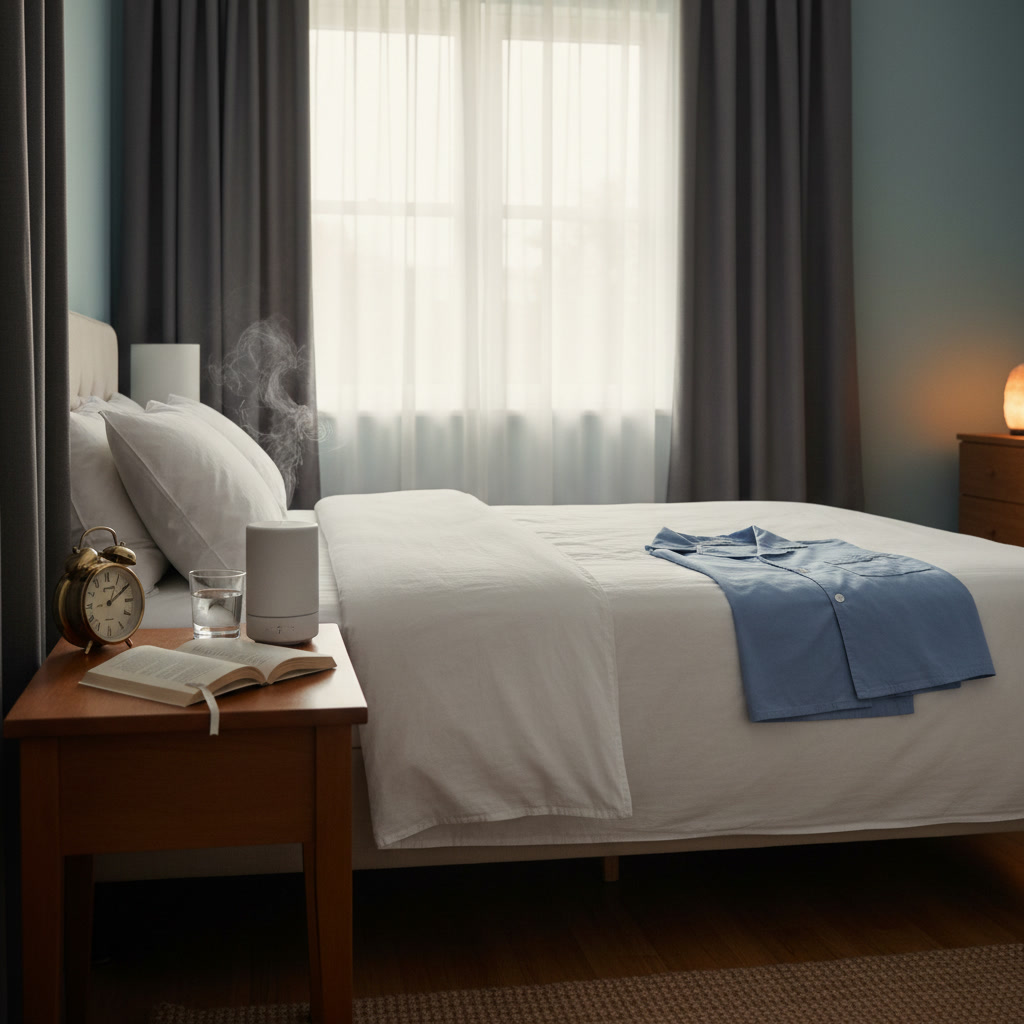
Achieving a restful sleep is essential for your physical and mental well-being. This guide focuses on effective nighttime habits for better sleep. By following step-by-step instructions and practical advice, you’ll learn to optimize your bedtime routine, environment, and habits, building a foundation for quality sleep and overall wellness.
Understanding the Science Behind Quality Sleep
Why Nighttime Routines Affect Your Sleep
Having a consistent routine before bed signals to your body that it’s time to wind down. This helps your brain release melatonin, a hormone that prepares you for sleep.
- Routine reduces stress and anxiety.
- Helps shift from daytime activity to relaxation.
The Role of Circadian Rhythms
Circadian rhythms are the natural cycles your body follows each day. They affect when you feel alert or sleepy and are controlled by light, activity, and meal timing.
- Your sleep-wake cycle matches the light-dark pattern of your environment.
- Keeping a steady sleep schedule strengthens your circadian rhythm.
Creating an Ideal Sleep Environment
Optimizing Bedroom Lighting and Temperature
- Keep your bedroom dark—use blackout curtains or an eye mask.
- Set the room temperature between 18-22°C (64-71°F) for comfort.
- Dim lights at least an hour before bedtime.
Reducing Noise and Distractions
- Remove unnecessary electronic devices from your bedroom.
- Use earplugs or a white noise machine if noise is an issue.
- Keep the space clean and clutter-free to aid relaxation.
Essential Nighttime Habits for Better Sleep
The Power of a Consistent Sleep Schedule
- Go to bed and wake up at the same time daily, even on weekends.
- Set bedtime reminders if needed.
- Allow enough time for 7-9 hours of sleep per night.
Mindful Relaxation Techniques Before Bed
- Practice deep breathing or progressive muscle relaxation.
- Try guided meditation or listen to calming sounds.
- Read a physical book or write in your journal instead of using devices.
Limiting Screen Time and Blue Light Exposure
- Turn off screens (phones, computers, TV) at least one hour before bed.
- If you must use a device, activate night mode or blue light filters.
Nutrition and Hydration Tips for Evenings
- Have your last big meal two to three hours before sleeping.
- Choose light snacks like bananas or almonds if hungry at night.
- Drink water, but avoid drinking too much to prevent nighttime interruptions.
What to Avoid Before Bedtime
Caffeine, Alcohol, and Heavy Meals
- Avoid coffee, tea, chocolate, and energy drinks late in the day.
- Don’t drink alcohol before bed—it disrupts your sleep cycle.
- Skip heavy, spicy, or greasy meals in the evening.
Stressful Activities and Late-Night Workouts
- Avoid intense workouts within two hours of bedtime.
- Don’t study, work, or engage in stimulating tasks right before sleep.
- Complete stressful activities earlier in the evening if possible.
Personalizing Your Nighttime Routine for Better Sleep
Journaling and Reflection Practices
- Write down three things you’re grateful for at night.
- Make a quick list of tomorrow’s priorities to clear your mind.
- Journal about thoughts or feelings if you’re anxious.
Incorporating Light Physical Stretching or Yoga
- Choose gentle yoga or stretching routines in the evening.
- Focus on neck, shoulders, and lower back to release tension.
- Spend 5-10 minutes on this activity just before you start your bedtime routine.
Troubleshooting Common Sleep Problems
What to Do When You Can't Fall Asleep
- If you aren’t asleep after 20 minutes, get up and do a quiet activity (like reading) until you feel sleepy.
- Avoid playing on your phone or watching TV.
- Try deep breathing or progressive relaxation again.
When to Seek Professional Help
- If you regularly struggle with falling or staying asleep, consult a doctor or sleep specialist.
- Watch for signs like constant daytime fatigue, snoring or breathing pauses, or mood changes.
- Consider professional guidance for anxiety or stress if it interferes with sleep.
Frequently Asked Questions About Nighttime Habits and Sleep
| Question | Answer |
|---|---|
| How many hours of sleep do I need? | Most teenagers and adults need 7-9 hours each night. |
| Can I catch up on missed sleep at the weekend? | Trying to catch up doesn’t fully restore lost sleep. It’s better to be consistent. |
| Should I exercise before bed? | Light stretching is fine, but avoid intense workouts close to bedtime. |
| How can I fall asleep faster? | Follow a soothing routine and try relaxation techniques. Limit screens and stimulants. |
| What foods help with sleep? | Foods rich in magnesium (like nuts) and tryptophan (like bananas) may help. |
Background and Value of This Guide
Many people experience trouble sleeping due to poor nighttime habits and a disruptive environment. This guide helps you build healthy routines, explains scientific principles, and provides troubleshooting tips. It’s useful for students and anyone looking to boost sleep quality for mind and body health.
Preparation: Tools and Materials Needed
- Eye masks or blackout curtains
- Earplugs or white noise machine
- Physical books or journals
- Gentle yoga mats or stretching space
- Night mode apps or blue light filters for devices
Step-by-Step Tutorial: How to Build Nighttime Habits for Better Sleep
- Prepare Your Bedroom
- Darken windows and optimize temperature between 18-22°C.
- Clear clutter and remove devices.
- Set a Consistent Sleep Schedule
- Choose bedtime and wake-up times—same every day.
- Use alarms or reminders.
- Start Relaxation Techniques
- Try deep breathing or gentle stretching for 5-10 minutes.
- Use guided audio if needed.
- Journal or Reflect
- Write short gratitude notes or list tasks for tomorrow.
- Limit Screen Use
- Turn off devices an hour before bed.
- Switch on night mode or blue light filters if necessary.
- Monitor Nutrition
- Have lighter meals and snacks, no caffeine or alcohol before bed.
- Drink water moderately in the evening.
- Respond to Sleep Problems
- If unable to sleep after 20 minutes, do a quiet non-digital activity.
- Talk to a professional if problems persist.
Common Problems and How to Solve Them
- Still can’t fall asleep: Try a relaxing activity, avoid screens, and reset your routine.
- Waking up during the night: Keep consistent bedtime, reduce nighttime drinks.
- Noise or light disturbance: Use earplugs, eye masks, or blackout curtains.
- Stress before bed: Use relaxation, journaling, or seek help if needed.
Advanced Tips for Improving Nighttime Habits
- Upgrade your mattress and pillows for extra comfort.
- Track sleep patterns using a sleep log or app.
- Experiment with scents like lavender for relaxation.
- Adjust routines seasonally to match natural changes in light and temperature.
Summary: Key Points and Next Actions
Quality sleep starts with nighttime routines, a calming environment, and steady habits. Avoid stimulants and stress, personalize your bedtime rituals, and address problems early. Take small steps, track your progress, and ask for help if sleep troubles persist. Begin tonight—your sleep and wellness will thank you!