Why Shoulder Mobility Matters for Beginners
Importance of Shoulder Mobility for Daily Life and Fitness
Shoulder mobility is essential for everyday movements and overall fitness. Good shoulder flexibility helps you reach, lift, carry, and perform most upper body activities. Whether you’re picking up a backpack, reaching for a shelf, or doing sports, functional shoulders make life easier. Improved mobility lowers injury risk and boosts confidence in exercise routines.
Common Shoulder Mobility Issues Beginners Face
Many beginners struggle with tight shoulders, limited movement, or discomfort when raising their arms. Poor posture, prolonged sitting, and lack of stretching often cause these problems. Recognizing these issues early can help avoid injuries and make exercise routines more effective.
How to Prepare for Shoulder Mobility Exercises
Safety Tips and Injury Prevention
- 1. Warm up before starting exercises to increase blood flow.
- 2. Move slowly and avoid pushing through sharp pain.
- 3. If you feel discomfort or hear clicking, stop and reassess your technique.
- 4. Consult a doctor or physiotherapist if you have previous shoulder injuries.
Equipment Needed for Shoulder Mobility Exercises
- 1. Sturdy wall (for wall slides).
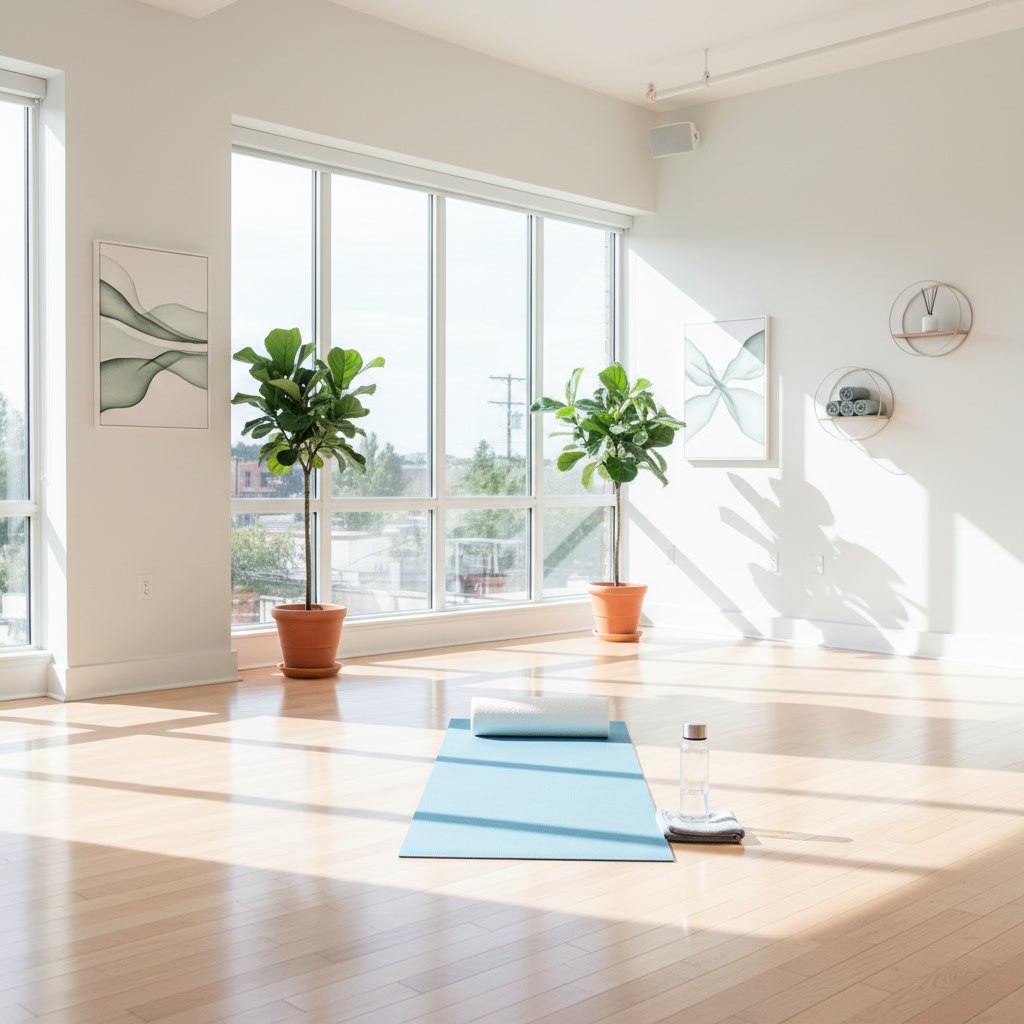
- 2. Mat (for floor stretches and support).
- 3. Doorway (for doorway stretch).
- 4. Pillow (optional, for sleeper stretch comfort).
- 5. Comfortable clothing allowing free movement.
Best Shoulder Mobility Exercises for Beginners
Arm Circles
- Stand upright with feet shoulder-width apart.
- Extend arms fully to the sides, parallel to the ground.
- Slowly rotate arms forward in small circles for 15 seconds.
- Gradually increase the size of the circles for another 15 seconds.
- Switch to backward circles, starting small and getting larger for 30 seconds.
Arm circles improve blood flow and loosen the shoulder joint.
Shoulder Rolls
- Stand or sit upright with arms relaxed by your sides.
- Lift shoulders toward your ears, then roll them backward in a circle.
- Repeat backward rolls 10 times.
- Reverse the direction, rolling shoulders forward 10 times.
Shoulder rolls help reduce tension and improve shoulder movement.
Wall Slides
- Stand facing a wall, feet about six inches away.
- Bend elbows and place the backs of your hands against the wall, elbows pointed down.
- Slowly slide hands up the wall, keeping contact and moving as high as possible without pain.
- Slide hands back down to the starting position.
- Repeat for 10-15 slides.
Wall slides activate the shoulder muscles and improve range of motion.
Sleeper Stretch
- Lie on your side on a mat, shoulder and elbow at 90 degrees.
- Place a pillow under your head for support.
- Gently push the forearm toward the mat using your opposite hand.
- Hold the position for 20 seconds, feeling a gentle stretch.
- Relax and repeat for 3-5 reps per side.
Sleeper stretch targets the shoulder’s internal rotators and helps relieve tightness.
Thread the Needle
- Start in a tabletop position on your hands and knees.
- Take your right arm and slide it under your left arm, palm facing up.
- Drop your shoulder and ear to the floor, reaching as far as comfortable.
- Hold for 20 seconds to feel a stretch in your upper back and shoulder.
- Return to start and switch sides. Repeat 3-5 times per side.
Thread the Needle improves flexibility and relieves tension across the upper back and shoulders.
Doorway Stretch
- Stand in a doorway, placing your forearms on either side at elbow height.
- Step forward slowly, feeling a stretch across your chest and shoulders.
- Keep your head upright and avoid arching your lower back.
- Hold for 20-30 seconds, then step back to relax.
- Repeat 3-5 times.
The doorway stretch opens the chest muscles and improves shoulder flexibility.
How to Incorporate Shoulder Mobility Exercises Into Your Routine
Frequency and Repetitions
- 1. Perform shoulder mobility exercises three to five times per week.
- 2. Most exercises should be repeated for 8-15 reps or held for 20-30 seconds.
- 3. Choose two to four exercises each session.
Consistency helps maintain and improve shoulder flexibility.
Progressions as Mobility Improves
- 1. Gradually increase repetitions as you gain comfort and range.
- 2. Try advanced movements or add light resistance bands.
- 3. Continue proper warm-up and cool-down to reduce injury risk.
Progressions support ongoing improvement and prevent plateaus.
Troubleshooting: Addressing Common Problems During Shoulder Mobility Exercises
Dealing with Pain and Stiffness
- 1. Stop immediately if you experience sharp pain.
- 2. Use ice and rest if shoulders feel stiff after exercises.
- 3. Stretch gently and avoid overloading weak muscles.
- 4. Consult a specialist if pain persists longer than a week.
What to Do If Mobility Doesn’t Improve
- 1. Review your technique and avoid rushing through exercises.
- 2. Incorporate additional warm-up or flexibility routines.
- 3. Seek advice from a physical therapist for tailored guidance.
- 4. Keep a log of progress to spot patterns and areas needing work.
FAQ: Best Shoulder Mobility Exercises for Beginners
- Q: Can I do shoulder mobility exercises every day?
A: Yes, most stretches can be done daily if performed gently. - Q: How long before I see improvement?
A: Results vary but most people notice easier movements in two to four weeks. - Q: Should I feel pain when stretching?
A: No, you should only feel a gentle pull. Stop if you experience sharp pain. - Q: Can shoulder mobility help sports performance?
A: Yes, stronger and more flexible shoulders reduce injury risk and boost athletic ability. - Q: Do I need equipment for these exercises?
A: Most exercises use only a mat or a wall—no expensive gear required.
Additional Resources for Shoulder Mobility and Flexibility
- Articles on shoulder health from reputable fitness and health websites.
- Video tutorials demonstrating proper form for shoulder mobility exercises.
- Physical therapy guides for advanced mobility improvement.
- Books and e-guides focused on shoulder anatomy and flexibility training.
Improving shoulder mobility is a journey. Stick to routines, listen to your body, and make adjustments as you gain confidence. Better shoulder movement means easier daily tasks, safer sports, and more enjoyable workouts. Start small, stay consistent, and you’ll see progress in weeks.