Why Walking is the Ideal Exercise for Beginners
Health Benefits of a Walking Routine
Walking is a simple and low-impact exercise. It improves heart health, helps control weight, boosts immunity, and supports healthy joints. Studies show that a daily walking routine can lower the risk of chronic diseases like diabetes and high blood pressure.
Mental Wellness and Stress Relief
Walking can help reduce stress, anxiety, and depressive feelings. It increases endorphins in your body, improves mood, and sharpens focus. Walking outdoors, especially in nature, can be even more calming and restorative.
How Walking Supports Sustainable Fitness
Walking is gentle on the body, making it easy to stick with over time. It does not require special skills or equipment. You can fit a walking routine into almost any lifestyle, which helps form a lasting habit for lifelong fitness.
Preparing to Start Your Walking Routine
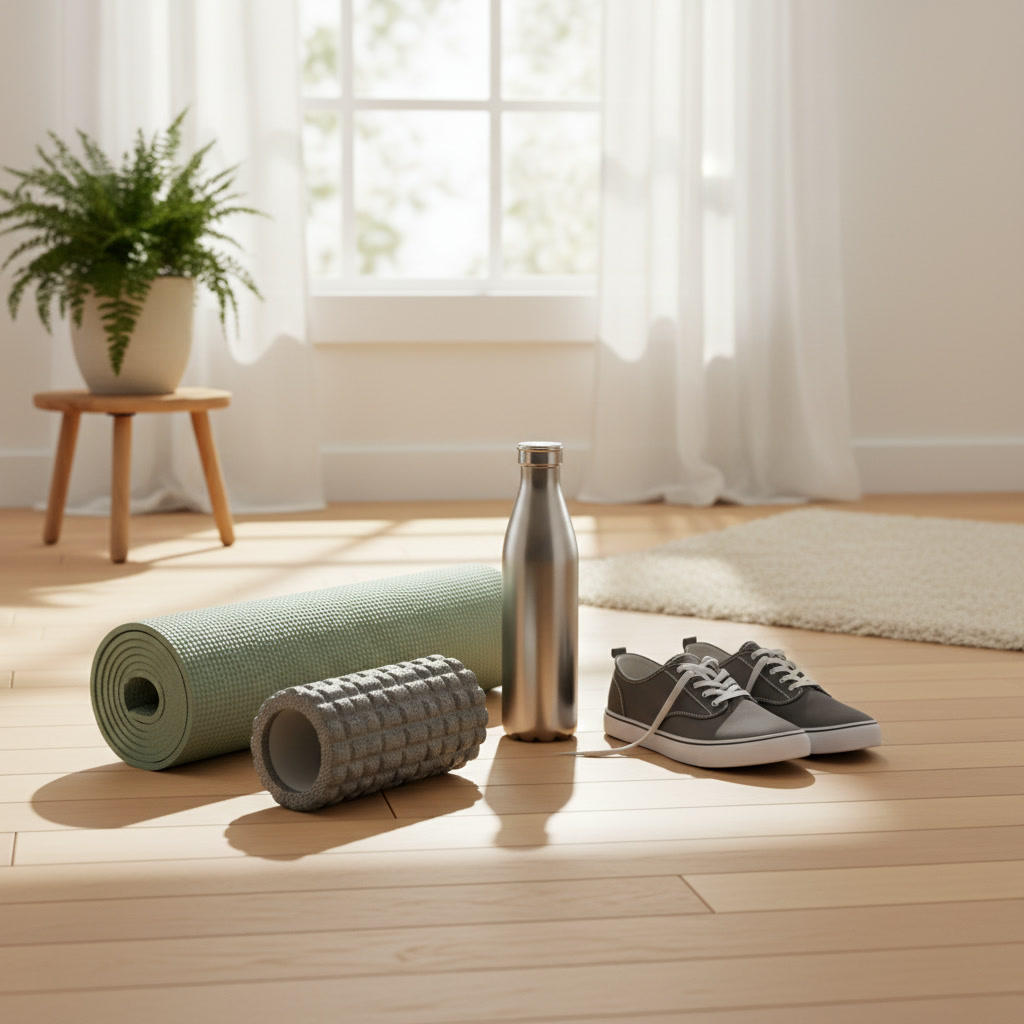
Essential Gear for Walking Beginners
- Comfortable Walking Shoes: Choose shoes with good support and cushioning.
- Weather-Appropriate Clothing: Dress in layers if needed. Pick breathable materials.
- Water Bottle: Stay hydrated, especially on longer walks.
- Optional Accessories: Consider a hat, sunscreen, and a fitness tracker.
Setting Realistic Walking Goals
- Start with small, specific targets. For example, aim for a 10-minute walk every day in the first week.
- Use steps or distance as a measure. Many beginners target 4,000–6,000 steps per day.
- Gradually increase your goals as you gain confidence and stamina.
Safety Tips and Common Mistakes to Avoid
- Stay Visible: Wear bright or reflective clothing if walking in low light.
- Watch Your Surroundings: Walk in safe, familiar areas and stay alert.
- Avoid Overdoing It: Don’t push too hard in the beginning. Allow your body to adjust.
- Warm Up and Cool Down: Start at a slow pace and finish with gentle stretches.
Week-by-Week Walking Routine for Beginners
Week 1: Getting Started with Short Daily Walks
- Walk 10–15 minutes each day, 5-6 days this week.
- Focus on comfortable, conversational pace (you should be able to talk easily).
- Notice how your body feels during and after each walk.
Week 2: Building Consistency and Increasing Duration
- Add 5 more minutes to your daily walk (15–20 minutes per day).
- Try walking on both flat and slightly uneven surfaces (like a park path).
- Stay consistent—track your walks with an app or journal.
Week 3: Adding Intensity—Pace and Terrain Variations
- Include 1–2 sessions of brisk walking (push your pace for short periods).
- Walk for 20–25 minutes on most days.
- Mix in short hills or stairs to provide new challenges for your muscles.
Week 4: Tracking Progress and Staying Motivated
- Walk 25–30 minutes daily, at least 5 days this week.
- Measure your steps, distance, or time to see your progress.
- Invite a friend or family member to join you for motivation.
Tips to Enhance Your Walking Experience
Walking Techniques to Prevent Injury
- Stand tall and keep your eyes forward, not on the ground.
- Swing your arms naturally at your sides.
- Land on your heel, roll through the foot, and push off with your toes.
- Relax your shoulders and keep your back straight.
Using Apps and Wearables for Progress Tracking
- Download a free walking or step-tracking app on your phone.
- Use a fitness tracker or smartwatch for added motivation and insight.
- Check your daily and weekly stats to watch your improvement.
How to Fit Walking into a Busy Lifestyle
- Break walks into shorter sessions (e.g., two 15-minute walks).
- Walk during breaks, lunch, or while running errands.
- Turn social time—like a call or meeting—into a walking opportunity.
Frequently Asked Questions about Walking Routines for Beginners
How long should beginners walk each day?
Start with 10–15 minutes daily and slowly build up to 30–45 minutes most days. Listen to your body and increase time or intensity gradually.
Is walking enough for weight loss and overall health?
Yes, walking helps burn calories, supports heart health, and reduces stress. Combine it with healthy eating and other activities for best results.
What if I miss a day in the routine?
Don’t worry! Just get back on track the next day. What matters most is building a regular walking habit over time.
Additional Resources for Walking Beginners
- Online walking communities and local walking clubs
- Free apps like MapMyWalk, Google Fit, or Apple Health
- Books and videos on walking routines and fitness
- Local parks, walking trails, and wellness centers