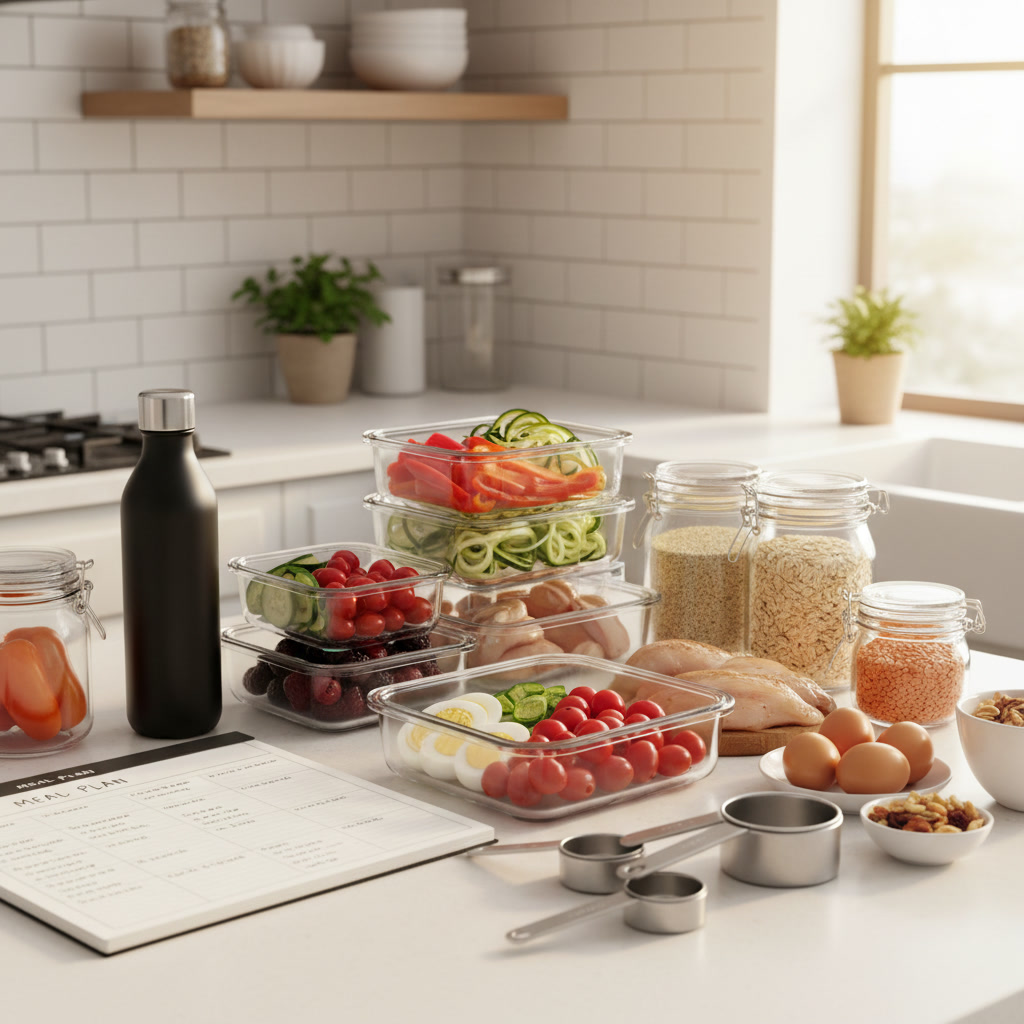
Why a Balanced Weekly Meal Plan Matters for Wellness
Key Benefits of Meal Planning
Meal planning helps you eat healthier, save time, and manage your budget. Planning your meals in advance makes it easier to stick to healthy choices, avoid last-minute fast food, and reduce food waste. You also gain more control over portions and nutrients.
Common Mistakes Without Planning
- Skipping meals and overeating later
- Choosing unhealthy snacks
- Failing to include enough vegetables and fruits
- Overspending at the grocery store
Understanding the Basics of a Balanced Diet
Essential Nutrients to Include Each Week
A balanced diet contains all essential nutrients: carbohydrates, proteins, fats, vitamins, and minerals. Fruits and vegetables provide vitamins and minerals. Grains and starchy foods offer energy. Proteins help build and repair your body. Fats support brain health and energy.
Portion Control and Food Group Breakdown
- Half your plate: Vegetables and fruits
- Quarter of your plate: Grains (preferably whole grains)
- Quarter of your plate: Protein sources (meat, tofu, beans)
- A small amount: Healthy fats (nuts, oils)
- Drink: Water or milk
How to Assess Your Dietary Needs and Goals
Identifying Personal Health Goals
- Ask yourself: Do you want to lose weight, gain muscle, or just maintain your health?
- Set realistic and specific goals. For example, “I want to eat more vegetables” or “I want to reduce sugary drinks.”
Dietary Preferences and Restrictions
- List foods you like and dislike
- Note allergies or medical restrictions (gluten-free, lactose intolerant, vegetarian)
- Consider cultural and religious food choices
Step-by-Step Process: Creating Your Weekly Meal Plan
Choosing Healthy Recipes for Every Meal
- Pick recipes that include a variety of food groups
- Focus on simple, easy-to-cook dishes
- Include breakfast, lunch, dinner, and snacks
Balancing Macronutrients and Micronutrients
- Carbohydrates: Include whole grains, fruits, and vegetables
- Proteins: Add eggs, beans, fish, chicken, tofu
- Fats: Use nuts, olive oil, and avocados
- Micronutrients: Ensure meals have color and variety for vitamins and minerals
Scheduling Meals and Snacks Effectively
- Plan three main meals and two snacks daily
- Space meals evenly during the day
- Prepare options for busy days and weekends
Sample Templates: Balanced Weekly Meal Plans for Different Lifestyles
Meal Plan for Busy Professionals
| Day | Breakfast | Lunch | Dinner | Snacks |
|---|---|---|---|---|
| Monday | Oatmeal with berries | Chicken salad wrap | Grilled salmon with veggies | Greek yogurt, nuts |
| Tuesday | Egg sandwich | Quinoa and bean bowl | Stir-fry chicken and broccoli | Fruit, crackers |
Vegetarian and Vegan Balanced Meal Plans
| Day | Breakfast | Lunch | Dinner | Snacks |
|---|---|---|---|---|
| Monday | Fruit smoothie, toast | Lentil soup, salad | Veggie stir-fry with tofu | Carrot sticks, hummus |
| Tuesday | Granola with soy milk | Chickpea sandwich | Spaghetti with tomato sauce | Apple, nuts |
Family-Friendly Meal Plan Example
| Day | Breakfast | Lunch | Dinner | Snacks |
|---|---|---|---|---|
| Monday | Pancakes, fruit | Turkey sandwich, carrot sticks | Spaghetti, green beans | Yogurt, popcorn |
| Tuesday | Cereal with milk | Chicken noodle soup | Tacos with veggies | Banana, cheese |
Grocery Shopping Tips for Your Weekly Meal Plan
Building an Efficient Shopping List
- Write down ingredients for all recipes
- Group items by category: produce, dairy, grains, proteins, snacks
- Check your pantry before buying
- Select items with longer shelf life for busy weeks
How to Shop Seasonal and Save Money
- Choose fruits and vegetables in season for lower prices
- Look for sales and bulk discounts
- Use frozen produce for convenience and savings
Meal Prep and Storage: Making Sticking to Your Plan Easier
Time-Saving Meal Prep Strategies
- Cook larger batches of grains and proteins
- Chop vegetables ahead of time
- Pack lunches and snacks for school or work
Best Practices for Food Storage and Safety
- Store cooked food in clean, airtight containers
- Label containers with date
- Use leftovers within 3-4 days
- Freeze extra portions for later
Troubleshooting and Adjusting Your Meal Plan
Staying Flexible and Overcoming Setbacks
- Allow room for occasional treats without guilt
- Swap meals if your schedule changes
- Keep backup healthy meals or snacks at hand
Reevaluating Your Plan Monthly
- Review which meals worked well
- Check if your goals have changed
- Update your plan with new recipes or foods
Frequently Asked Questions on Balanced Weekly Meal Planning
- Q: Is meal planning expensive?
A: Planning ahead can help you save money by avoiding waste and only buying what you need. - Q: What if I don’t like the foods in my plan?
A: Customize your plan with foods you enjoy. Try new recipes and swap ingredients. - Q: How can I avoid boredom with meals?
A: Mix up recipes each week and use different seasonings or cooking styles. - Q: How do I know my plan is balanced?
A: Check if each meal includes vegetables, protein, grains, and healthy fats. Use sample templates as a guide. - Q: What if my schedule changes suddenly?
A: Stay flexible. Prepare backup meals or snacks and don’t stress if plans shift.
Starting your balanced weekly meal plan takes a bit of work, but soon becomes habit. Use this guide to build your grocery list, prep meals in advance, and choose healthy recipes. Evaluate your meal plan monthly, and adjust as your goals or schedule change. Remember, balanced weekly meal planning is key to wellness, nutrition, and healthy habits for life.