Understanding the Foundations of a Sustainable Fitness Routine
What “Sustainable” Means in Fitness
“Sustainable” fitness means creating a routine you can keep doing for months and years, not just a few weeks. It’s about building habits that support your health, fit your lifestyle, and don’t cause burnout. Sustainable routines balance effort and recovery, allowing regular progress without frustration or exhaustion.
Long-Term Benefits of Sustainable Exercise Habits
Sustainable exercise habits help you stay healthy, build strength, and improve mood over time. These routines reduce the risk of injury, lower stress, and boost confidence. Consistent activity can help maintain a healthy weight, support heart health, and make daily life easier and more enjoyable.
Goal Setting for Your Sustainable Fitness Routine
Identifying Personal Fitness Goals
Start by thinking about why you want to exercise. Common goals include getting stronger, feeling more energetic, improving flexibility, or maintaining a healthy weight. Make your goals personal and meaningful to stay motivated.
Making Your Goals Realistic and Measurable
Set goals you can achieve. For example, instead of saying “I want to get fit,” try “I will walk for 20 minutes, three times a week.” Measurable goals are easier to track and celebrate.
Designing Your Sustainable Fitness Plan
Choosing Enjoyable Activities
Pick activities you like. Walk, bike, swim, play sports, or dance—if you enjoy what you do, you’re more likely to stick with it. Try new exercises to keep things interesting.
Balancing Cardio, Strength, and Flexibility
- Cardio: Activities like jogging, cycling, or jumping rope boost your heart and lungs.
- Strength: Squats, push-ups, and lifting weights build muscles and bones.
- Flexibility: Stretching, yoga, or gymnastics help your body move easily and avoid injuries.
Determining Workout Frequency and Duration
- Choose how many days you can exercise (start with 2–3 days a week and build up).
- Decide how long each session will be (10–30 minutes is great for beginners).
- Balance workout types throughout the week for improvement in all areas.
Building Consistency and Motivation
Creating a Workout Schedule That Fits Your Life
- Look at your weekly routine and find time slots that work for you.
- Set fixed days and times for exercise to build a habit.
- If your schedule changes, have backup times ready.
Tracking Progress and Celebrating Milestones
- Write down your workouts in a notebook or use a fitness app.
- Celebrate small wins—like walking more steps or doing more push-ups—by rewarding yourself with a treat or new gear.
Finding Accountability and Social Support
- Exercise with a friend or family member to stay motivated.
- Join a class or online group where you can share progress and encourage each other.
Nutrition and Recovery for Sustainable Fitness
Eating to Fuel Performance and Recovery
- Eat a balanced diet with fruits, vegetables, proteins, carbs, and healthy fats.
- Drink plenty of water before, during, and after exercise.
- Have a small snack if you feel low on energy before a workout, like a banana or granola bar.
Understanding Rest and Active Recovery
- Rest days give your muscles time to recover and grow stronger.
- Active recovery (like slow walking or stretching) helps prevent soreness.
Adapting and Overcoming Challenges in Your Fitness Routine
How to Modify Workouts for Busy Schedules
- Try short workouts (even 10 minutes counts). Every bit helps!
- Combine exercises—for example, do squats while brushing your teeth or walk during calls.
Dealing With Setbacks and Plateaus
- If you miss a workout, don’t quit. Start again as soon as you can.
- If you feel stuck, change up your exercise or set a new goal to re-energize your routine.
Tools and Resources to Support a Sustainable Fitness Routine
Apps and Wearables for Tracking Fitness
- Use free apps like Google Fit or MyFitnessPal to record workouts and nutrition.
- Fitness trackers (like step counters or smartwatches) help you see daily progress.
Reliable Online Communities and Guides
- Find teen-friendly fitness communities online for advice and encouragement.
- Look for workout guides with clear instructions and beginner options.
FAQ: Creating and Maintaining a Sustainable Fitness Routine
- How long does it take to build a fitness habit? Most people build a new habit in about two months. Start small and stick with it.
- What if I don’t enjoy exercise? Try different activities until you find one that’s fun. Invite friends to join you.
- Is rest really important? Yes! Rest helps you stay strong and avoid injuries.
- Do I need special equipment? No. Bodyweight exercises, walking, or YouTube videos work great. Use what you have.
- How do I know if my routine is working? You’ll feel more energetic, sleep better, and see steady progress over weeks and months.
Preparation: Tools and Materials Needed for a Sustainable Fitness Routine
- Comfortable workout clothes and shoes
- Reusable water bottle
- Fitness app or notebook for tracking
- Positive attitude
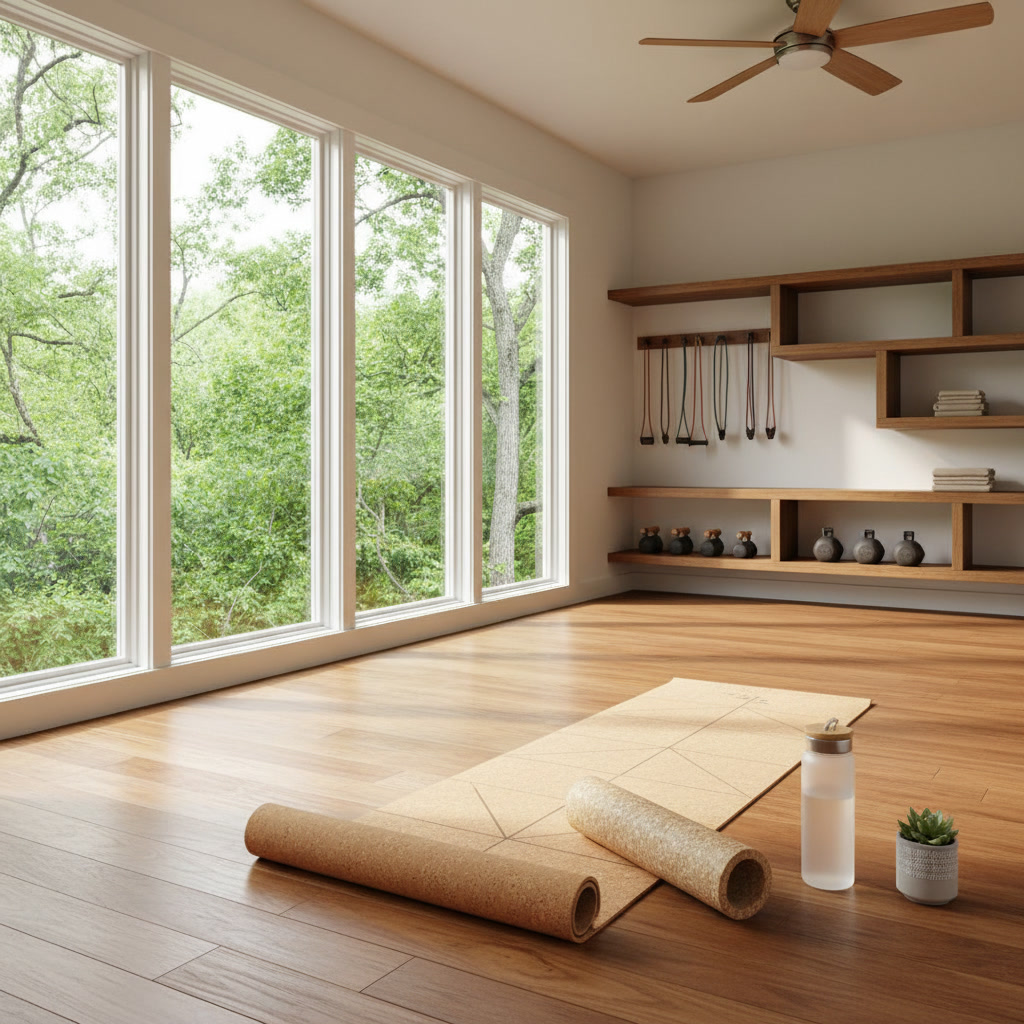
- Optional: Yoga mat, resistance bands, or simple weights
Step-by-Step Tutorial: Creating Your Sustainable Fitness Routine
- Set Your Goal: Choose a goal that matters to you and write it down.
- Pick Your Activities: List 2–3 activities you enjoy and want to try regularly.
- Make a Schedule: Choose days and times for your workouts each week.
- Start Small: Make the first week easy so you don’t feel overwhelmed.
- Track Your Workouts: Each time you exercise, record your activity and how you feel.
- Adjust as Needed: If something isn’t working, try new activities or change your schedule.
- Celebrate Progress: Notice your improvements (more reps, longer walks) and reward yourself.
Common Problems and Solutions
| Problem | Solution |
|---|---|
| No time for exercise | Split workouts into shorter sessions or move more during daily tasks. |
| Losing motivation | Set new goals, find a workout buddy, or change activities for variety. |
| Feeling sore | Take rest days and try gentle stretching or walking. |
| Plateauing (no progress) | Change your workout routine, add new exercises, or increase intensity a little. |
| Unsure what to eat | Focus on balanced meals and stay hydrated; ask a coach or teacher for more ideas. |
Advanced Tips: Optimizing and Improving Your Routine
- Try interval training (short bursts of hard work) for better results.
- Mix exercises (run one day, strength train another) to prevent boredom and keep improving.
- Plan rest weeks every two months for recovery and extra motivation.
- Learn simple mindfulness or breathing exercises to reduce stress and improve focus.
Summary: Key Points and Next Steps
- Sustainable fitness routines are about creating habits you enjoy and can keep up over time.
- Start with small, realistic goals and adjust as you grow stronger and more confident.
- Balance cardio, strength, and flexibility while eating well and resting enough.
- Use free tools and social support to track progress and stay motivated.
- Remember: setbacks are normal—what matters is returning to your routine and having fun.
Now, write down your personal fitness goal, choose activities you enjoy, and start your own healthy journey one step at a time!