Understanding the Challenges of Traveling With Toddlers
Common Toddler Travel Stressors
Toddlers are full of energy and curiosity, but they also have short attention spans and little patience. This makes traveling with toddlers challenging. Common stressors include unfamiliar environments, changes in routine, long waits, and overstimulation. Recognizing these stressors early helps you prepare and respond calmly.
Myths vs. Reality: What to Really Expect
Many parents believe traveling with toddlers is always a nightmare or, on the other hand, think that kids will adapt easily. The truth lies in between: traveling will have highs and lows. Expect some fussiness and meltdowns, but planning and flexibility can minimize problems and keep the experience enjoyable for everyone.
Pre-Trip Planning: Setting the Stage for a Smooth Journey
Choosing Toddler-Friendly Destinations
- Research destinations with activities and attractions suitable for toddlers (parks, zoos, aquariums).
- Check for child-friendly amenities like stroller access, family bathrooms, and quiet spaces.
- Pick locations with good medical facilities and avoid spots that require long travel days if possible.
Packing Essentials for Toddlers
- Clothing: Pack enough clothes for each day and a few extra changes in case of spills or accidents.
- Comfort items: Bring familiar items like a favorite toy or blanket to ease anxiety.
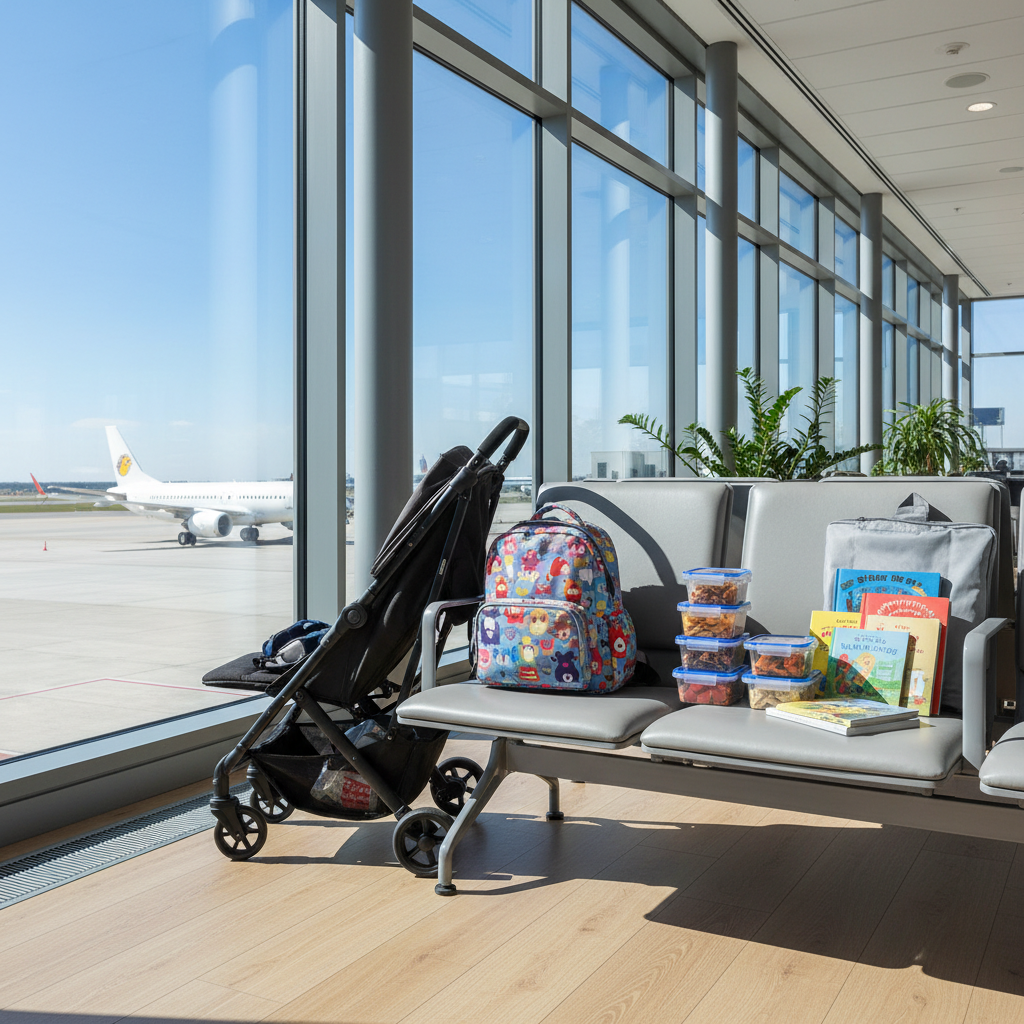
- Snacks: Have a variety of healthy snacks that don’t require refrigeration.
- Travel gear: Include a lightweight stroller, car seat (if needed), and a carrier for easy mobility.
- Health and safety: Bring medications, a basic first aid kit, plenty of wipes, and hand sanitizer.
- Entertainment: Small books, coloring pages, and a tablet with headphones loaded with toddler-friendly apps or shows can help.
Preparing Your Toddler for Travel
- Talk about the trip beforehand. Use simple words and photos to share what to expect.
- Practice travel routines, like using a carrier or sitting in a certain seat, before leaving home.
- Let toddlers help pack a small bag. Giving them a job can make them feel less anxious.
- Adjust nap and meal times gradually if there will be a time zone change.
During the Journey: Keeping Toddlers Happy on the Move
In-Flight and On-the-Road Entertainments
- Rotate small toys, books, and games every 20–30 minutes to keep things interesting.
- Offer interactive storytelling or simple finger puppet shows.
- Use educational apps and videos in moderation during the toughest periods.
Managing Meals, Snacks, and Sleep Routines
- Follow your child’s regular mealtimes as much as possible. Bring familiar foods and utensils.
- Offer frequent snacks, especially during transitions.
- Maintain nap and bedtime routines: read a favorite book, offer a comfort object, and dim lights if possible.
Navigating Airports and Stations With Ease
- Use priority lines for families if available.
- Keep your toddler in a stroller or toddler harness in crowded areas for safety.
- Have tickets, passports, and documents organized in an easy-to-access folder.
- Point out interesting sights around to distract and engage your child during waits.
Handling Common Challenges When Traveling With Toddlers
Coping With Tantrums and Mood Swings
- Stay calm and use soothing words.
- Distract your child with a toy or a snack.
- If possible, step to a quiet area to let your toddler calm down.
- Don’t be embarrassed—every parent faces this. Focus on your child’s needs, not on others’ opinions.
Potty Breaks and Diaper Changes on the Go
- Locate family and accessible bathrooms early in your journey.
- Always carry a portable changing mat, wipes, and enough diapers or pull-ups.
- If potty training, bring a travel potty and extra clothes, and use training pants as backup.
Dealing With Unexpected Issues (Delays, Sickness, etc.)
- Pack an emergency kit with fever medicine, band-aids, and comfort items.
- Have extra snacks, water, and a phone with charger for entertainment or emergency calls.
- Stay flexible. Make up games or invent stories to fill unexpected long waits.
Tips for Different Travel Modes With Toddlers
Airplane Travel
- Arrive early to allow time for bathroom breaks and security checks.
- Request bulkhead or aisle seats for more space and easy movement.
- Offer drinks during takeoff and landing to help with ear pressure.
- Let your toddler walk and stretch in the aisle whenever possible.
Road Trips
- Plan for breaks every 1.5–2 hours for snacks and stretching.
- Bring window shades to keep your toddler comfortable from the sun.
- Use car-friendly activities (magnetic puzzles, singalongs, audiobooks).
- Never leave your child alone in the car, even briefly.
Train and Public Transport
- Board early to secure seats and stow luggage safely.
- Keep valuables and snacks within easy reach.
- Show your toddler interesting sights out the window and talk about them.
- Remind your child about safety rules in a way they can understand.
Engaging Your Toddler: Making Travel Fun and Educational
Simple Games and Activities
- Play “I spy” with colors, shapes, or objects.
- Use sticker books and coloring sheets to keep hands busy.
- Tell stories together and invent new characters or endings.
Involving Toddlers in the Travel Experience
- Ask your child to “help” with simple tasks (choosing a snack or finding a seat).
- Give your toddler a travel journal for scribbles or stickers from each place you visit.
- Encourage curiosity by pointing out new sights and trying new foods together, if possible.
FAQ: How to Make Traveling With Toddlers Easier
- Q: What is the best age to start traveling with toddlers?
A: Any age is possible, but between 18 months and 3 years is often more manageable. Preparation matters more than age. - Q: Should I bring a stroller or carrier?
A: Both have benefits—a lightweight stroller is better for long walks, while a carrier is good for busy areas or short hikes. - Q: How do I calm my child if they cry on a plane?
A: Offer comfort items, snacks, and distractions. Don’t panic—other travelers understand, and flight staff can help. - Q: What if my toddler gets sick during the trip?
A: Bring basic remedies and know the location of the nearest medical center at your destination. - Q: How do I keep my toddler’s routine?
A: Stick as closely as you can to sleep and mealtime schedules, but be flexible. Routines will return when you get home.
Resources and Further Reading for Traveling Families
- “The Family Travel Handbook” by Lonely Planet
- Centers for Disease Control and Prevention: Traveling with Children
- Family-friendly travel blogs (e.g., “The Points Guy Family” and “Traveling Mom”)
- Pediatrician advice on travel (ask your doctor or check the official website of the American Academy of Pediatrics)
- Travel forums for parent tips and destination-specific advice