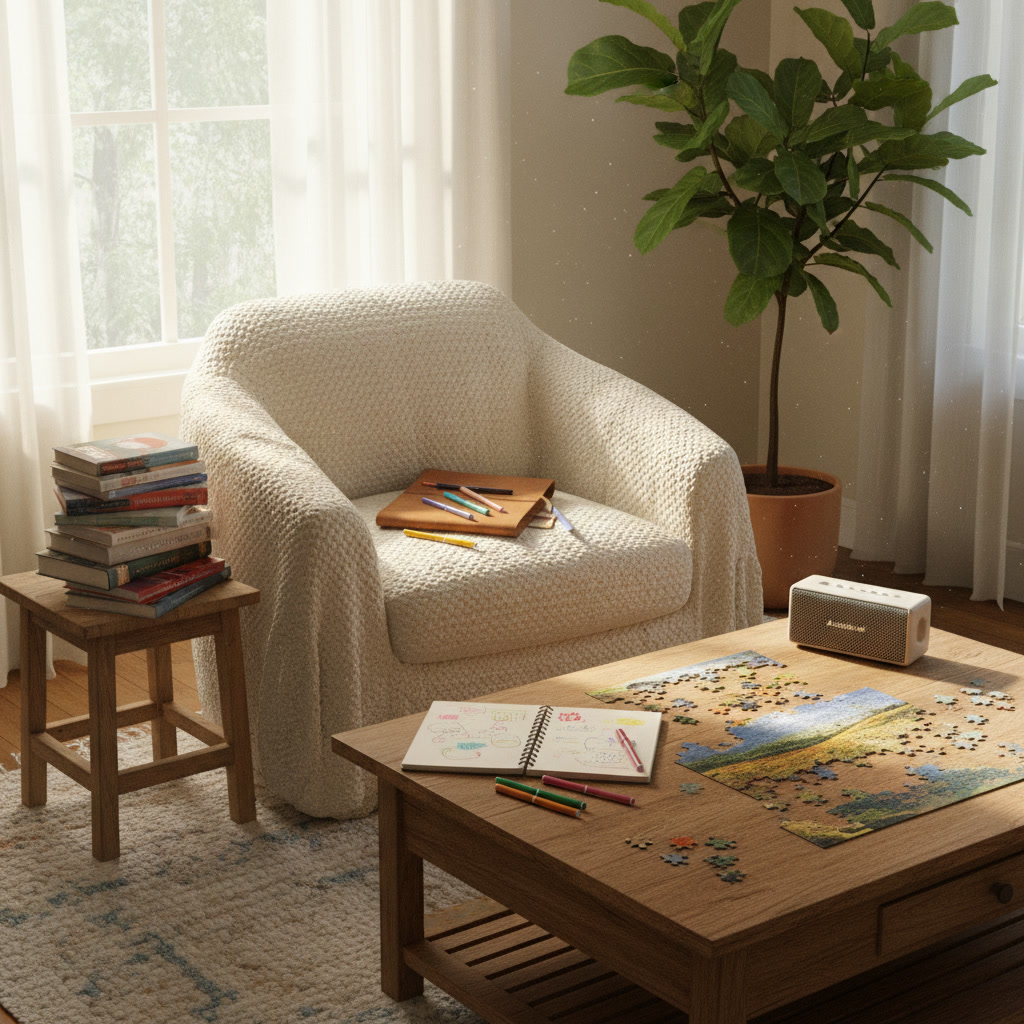
Reducing screen time is important for grade 9 students who want to boost their wellness and avoid boredom. This guide explains how to assess your habits, set realistic goals, and explore alternative activities that are fun and healthy. You’ll find practical steps, tips, answers to common questions, and resources to help you stay on track.
Understanding the Impact of Excessive Screen Time on Wellness
Psychological and Physical Effects of Screen Overuse
Too much screen time can cause tired eyes, headaches, poor sleep, and stress. It can lead to anxiety, trouble focusing, and feeling low. Sitting for long hours may hurt your body, making you less fit or causing aches.
Why Reducing Screen Time Matters in 2026
In 2026, screens are everywhere and part of daily life. Managing screen time helps protect mental health, foster creativity, and encourage real-life connections. It prepares you for a balanced lifestyle and avoids future health issues.
Recognizing Signs of Screen Time Dependency
Common signs include feeling restless without a device, checking screens often for no reason, neglecting hobbies, and difficulty sleeping. Noticing these signs early helps you make changes and improve wellness.
Assessing Your Current Screen Habits
Simple Ways to Track Screen Time
- Use built-in phone or tablet tools to see daily usage.
- Keep a log for one week: note every time you use a screen and for how long.
- Try apps that track screen time and give reports.
Identifying Triggers for Excessive Usage
- List situations where you reach for a screen (e.g., boredom, stress).
- Ask yourself if the activity is important or just a habit.
- Discuss with family or friends about what makes you use screens more.
Evaluating Your Daily Routine
- Make a table showing your daily activities and how much screen time each uses.
- Check if some activities can be done without screens.
- Find gaps in your routine where screen time can be reduced.
Strategies to Reduce Screen Time Without Getting Bored
Setting Realistic Screen Time Goals
- Choose a daily screen time goal based on current usage (e.g., cut by 30 minutes).
- Break down the goal: set limits for each app or device.
- Reward yourself when you reach your goal.
Replacing Screens with Engaging Offline Activities
- Pick activities you enjoy (sports, reading, art, cooking).
- Schedule offline time daily to focus on these hobbies.
- Invite friends or family to join, making it more fun.
Creating a Balanced Daily Schedule
- Plan your day in blocks: study, exercise, hobbies, screen time.
- Use planners, calendars, or notebooks to keep track.
- Stick to your schedule but allow flexibility for special events.
Fun and Effective Alternatives to Screen-Based Entertainment
Exploring Creative Hobbies and Skills
- Learn drawing, painting, music, or writing stories.
- Try photography with a real camera, not your phone.
- Make crafts, model kits, or DIY projects.
Physical Wellness Activities for Screen-Free Hours
- Do simple exercises: walking, biking, yoga, or sports.
- Join school clubs for dance, fitness, or outdoor activities.
- Practice stretching or mindfulness during breaks.
Socializing and Building Community Connections
- Arrange in-person meetups, game nights, or group outings.
- Volunteer for local causes or school events.
- Participate in group projects or clubs that match your interests.
Mindful Use of Technology for Wellness
Curating Digital Content for Quality Over Quantity
- Unfollow accounts or apps that waste time.
- Select content that helps you learn or inspires you.
- Set up folders and filters to reduce distractions.
Practicing Mindfulness in Daily Life
- Pause before reaching for a screen. Ask, “Do I need it now?”
- Try breathing exercises or short meditations when feeling bored.
- Focus on one task at a time and avoid multitasking with devices.
Using Tech Tools to Support Healthy Habits
- Use reminder apps for scheduled offline activities.
- Set screen time limits or downtime on your devices.
- Track progress and celebrate milestones using wellness apps.
Overcoming Common Challenges in Reducing Screen Time
Coping with Boredom and FOMO (Fear of Missing Out)
- Remind yourself that real-life moments are valuable.
- Make a “boredom list” of quick, fun activities for screen-free time.
- Limit social media use to reduce FOMO. Spend more time offline.
Handling Resistance and Motivation Slumps
- Ask friends or family to support your goals.
- Write down reasons why reducing screen time matters.
- Change your environment to make screens less accessible.
Staying Consistent and Accountable
- Share your progress with someone you trust.
- Set weekly check-ins to review achievements.
- Adjust goals if needed, but stay focused.
FAQ: Reducing Screen Time Without Losing Enjoyment
- Will I miss important updates?
Set fixed times to check messages. You won’t miss anything if you check once or twice a day. - What if I need screens for homework?
Use screens for study, but keep entertainment separate. Take breaks and try offline studying sometimes. - How can I avoid being bored?
Prepare activities you enjoy, invite others, and try new hobbies.
Resources for Sustainable Wellness and Screen Time Management
- Check wellness apps (like Forest, Freedom, or StayFree) to manage screen time.
- Read books or articles on mindfulness and healthy habits.
- Join online forums or school groups focused on wellness.
- Talk to a counselor or coach if screen time is affecting your wellness.
Summary: Key Points and Next Steps
- Understand why reducing screen time matters for your health.
- Assess your habits and set realistic goals.
- Replace screens with creative, physical, and social activities.
- Use technology mindfully to support good habits.
- Overcome common challenges with simple solutions.
- Try new resources and share your progress.
Start with small changes and keep going. Reducing screen time will make you feel healthier, happier, and less bored. Enjoy your journey to balanced wellness!