Understanding Stress: What Causes Stress in Daily Life
Common Stress Triggers in Modern Routines
In our busy world, stress is common. Stress often starts with things like school deadlines, family problems, or social conflicts. Technology overload, lack of sleep, and poor nutrition also add to daily stress. Knowing what causes your stress is the first step in managing it.
Effects of Daily Stress on Physical and Mental Health
Stress affects both the mind and body. It can cause headaches, trouble sleeping, and stomach problems. If stress is not reduced, it can lead to anxiety or depression. Learning how to manage stress helps you feel better physically and mentally.
Top Actionable Tips to Reduce Stress in Your Daily Routine
Mindful Morning Rituals for Stress Reduction
- Wake up a little earlier to avoid rushing.
- Spend five minutes taking deep breaths or stretching.
- Write down three things you are grateful for.
- Avoid checking your phone first thing.
Starting your day mindfully helps you stay calm and positive.
Incorporating Movement and Exercise Throughout Your Day
- Do light stretching every hour during study or work.
- Take a short walk after meals or between tasks.
- Try simple exercises like jumping jacks or yoga in your room.
Movement releases endorphins, which reduce stress naturally.
Nourishing Nutrition Choices That Support Wellness
- Choose whole grains, fruits, and vegetables.
- Drink plenty of water throughout the day.
- Avoid too much caffeine or sugar.
- Eat balanced meals at regular times.
Healthy food supports your mood and energy, reducing stress.
Simple Breathing Techniques to Manage Stress Instantly
- Try box breathing: inhale for four seconds, hold, exhale for four seconds, and repeat.
- Breathe slowly and deeply when you feel stressed.
- Practice for 2-3 minutes during breaks or before sleep.
Breathing techniques can calm your mind quickly.
Balancing Work and Personal Life: Practical Scheduling Tips
- Set specific times for homework and relaxation.
- Use a planner to organize tasks and deadlines.
- Schedule time for hobbies and social activities.
- Prioritize what is most important each day.
A balanced schedule helps you prevent overwhelm and stress.
Digital Detox: Managing Technology Overload
- Limit screen time, especially before bed.
- Mute notifications during study or rest.
- Spend time offline with friends or outdoors.
Too much technology can cause stress. A digital detox brings balance.
Building Mindfulness into Everyday Activities
Practicing Mindful Eating
- Eat slowly and notice each bite.
- Focus on the taste, texture, and smell of your food.
- Try not to use your phone while eating.
Mindful eating helps you enjoy meals and reduces stress.
Mindfulness at Work and Home
- Take short mental breaks by focusing on your breathing.
- Pay full attention when listening to others.
- Use reminders to check your feelings during the day.
Being mindful in daily activities keeps you relaxed and aware.
Guided Meditation and Easy Practices
- Use free apps or online videos for guided meditation.
- Sit quietly for five minutes, focusing on your breath.
- Try body scan meditation by noticing different body parts.
Short meditations can reduce stress and boost focus.
Creating a Supportive Environment for Stress Reduction
Setting Boundaries with Family and Colleagues
- Politely say no when you are too busy.
- Discuss your needs and limits clearly.
- Set “do not disturb” times for study or relaxation.
Healthy boundaries protect your time and energy.
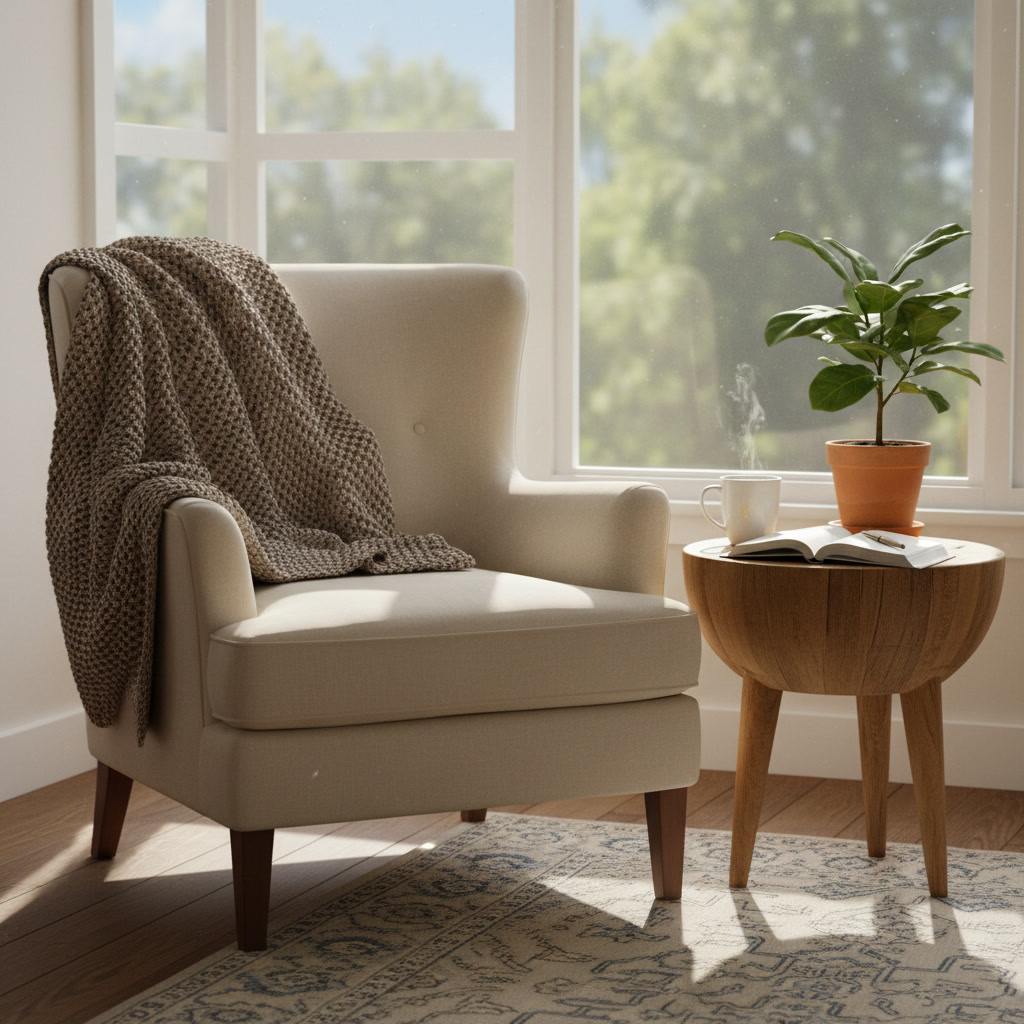
Designing a Calm Personal Space
- Keep your room tidy and organized.
- Add calming items like plants or soft lighting.
- Have a quiet corner for reading or meditating.
A calm space helps you relax and reduces daily stress.
Tracking Your Progress and Maintaining Stress-Free Habits
Journaling and Reflection Techniques
- Write about your feelings and stress triggers daily.
- List what helps you feel calm.
- Reflect on progress each week.
Journaling helps you understand and improve your habits.
Adapting Strategies as Your Routine Evolves
- Review your schedule and habits monthly.
- Change routines that don’t work for you.
- Try new stress reduction techniques as needed.
Adapting helps you stay flexible and stress-free.
FAQ: Common Questions About Reducing Stress in Daily Routine
Q: How quickly can I reduce stress with these tips?
A: Some strategies, like deep breathing, work instantly. Others, like exercise or scheduling, take a few weeks to show results.
Q: What if my stress feels overwhelming?
A: Talk to a trusted adult, counselor, or doctor if stress becomes too much for you to handle alone.
Q: Can these tips help with anxiety?
A: Yes, many stress reduction strategies also help lower anxiety. Regular practice is important.
Q: Do I need special tools or equipment?
A: No. You only need basic items like a planner, journal, comfortable clothes, and access to healthy food. Meditation apps are optional.
Summary: Key Takeaways and Next Steps
- Daily stress is common and manageable with simple routines.
- Start your day mindfully with gratitude and deep breathing.
- Include movement, healthy eating, and mindful breaks throughout your day.
- Balance work, rest, and limit technology.
- Create a relaxing personal space and set healthy boundaries.
- Track your progress and adjust habits as needed.
Next steps: Choose two tips to try this week, then add more as you feel ready. Improving stress management will help you feel healthier, happier, and more focused every day.