Why Staying Active Matters for Remote Workers
Physical Health Risks of a Sedentary Work From Home Lifestyle
Remote work often means sitting for long hours in front of a screen. This sedentary lifestyle can lead to health problems like back pain, obesity, diabetes, and heart disease. When you move less, your muscles and joints can weaken, which affects your posture and how you feel every day.
Mental Wellness and Movement: The Science Explained
Movement is not just for your body; your brain benefits too. Physical activity helps manage stress, boosts your mood, and even improves memory. Studies show that regular movement releases chemicals like endorphins that make you feel happier and more focused. Staying active when you work from home is essential for both mental and physical health.
Common Challenges to Staying Active at Home
Lack of Dedicated Space or Equipment
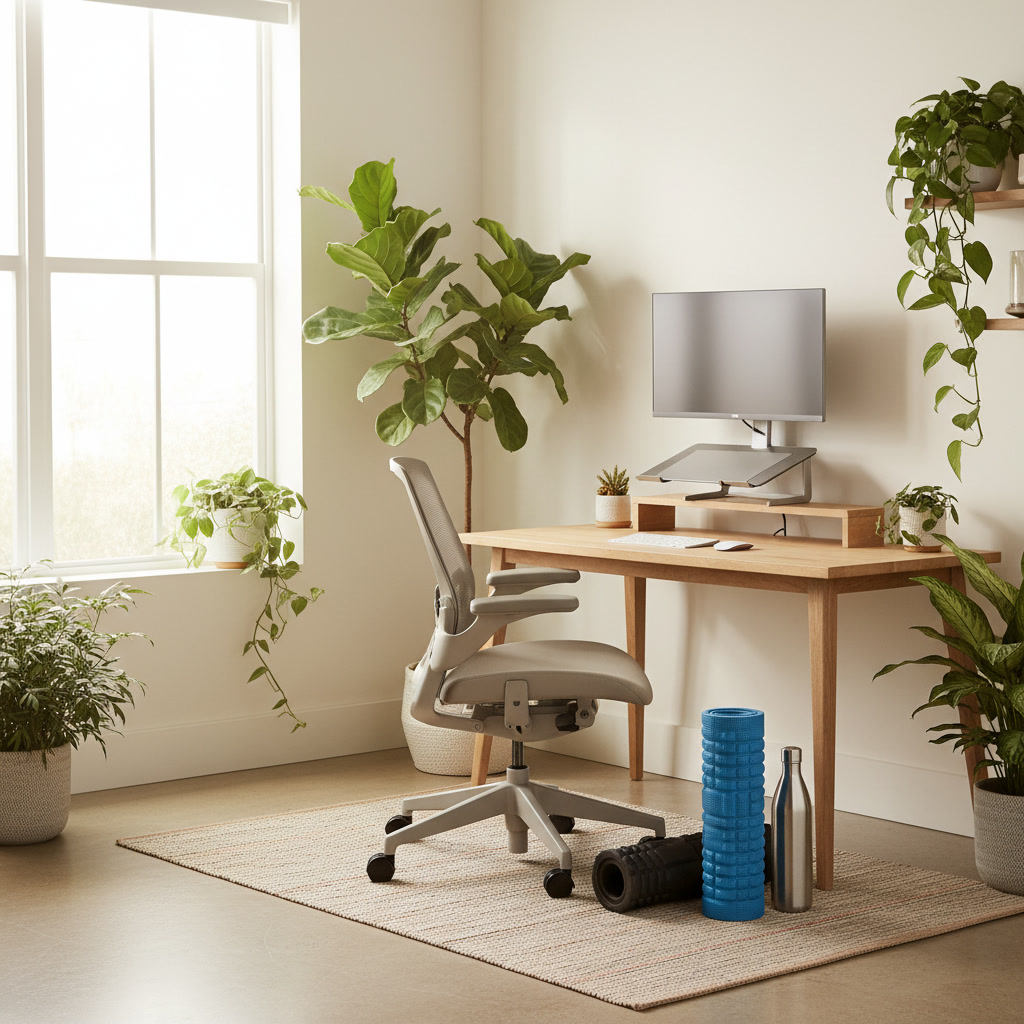
Many people do not have a home gym or lots of equipment. Some work in small spaces or shared environments. This makes it harder to fit in exercise, but not impossible—simple movements and creative solutions can help.
Frequent Distractions and Time Management
At home, distractions like chores, family, and social media are everywhere. It can be hard to manage your schedule and make movement a priority. Learning to set boundaries and plan ahead is important.
Motivation Tips for Remote Employees
Without coworkers or a boss watching, motivation can drop. Setting clear goals and rewarding yourself for progress helps. Make movement fun—use music, challenges, or social activities to keep going.
Simple Daily Habits to Boost Activity When You Work From Home
Desk Exercises and Stretches for Home Offices
- Neck rolls: Slowly roll your head in a circle to loosen your neck muscles.
- Shoulder shrugs: Lift your shoulders up to your ears, hold, then relax.
- Seated leg raises: Lift one leg at a time while seated, hold for a few seconds, switch legs.
- Wrist stretches: Extend your fingers and gently pull back with the other hand to stretch your wrists.
Incorporating Short Activity Breaks Throughout Your Day
- Set a timer every hour to remind yourself to stand up and move for five minutes.
- Try “micro-workouts”—do a few squats, lunges, or jumping jacks between video meetings.
- Walk during phone calls or use voice-to-text tools while pacing your room.
Standing vs. Sitting — Optimizing Your Workspace
- Use a standing desk or stack books to raise your laptop periodically.
- Alternate between sitting and standing every 30–60 minutes.
- Make your workspace flexible, so it’s easy to change position during your workday.
Easy At-Home Workouts for Every Fitness Level
No-Equipment Routines for Small Spaces
- Push-ups
- Bodyweight squats
- Planks
- Step-ups using a sturdy chair
- High-knees running in place
Repeat each move for 30 seconds, rest for 10 seconds, and cycle through the routine 2–3 times.
Quick Cardio and Strength Circuits Between Meetings
- Jumping jacks – 1 minute
- Chair dips – 10 reps
- Mountain climbers – 30 seconds
- Wall sit – 45 seconds
Try to fit in one round between meetings or tasks for a quick energy boost.
Online Fitness Classes and Resources for 2026
- Live-streamed group workouts, like dance or yoga classes, allow you to move with others from home.
- Fitness apps offer guided routines with or without equipment.
- Many platforms have on-demand videos so you can pick routines that fit your schedule and space.
Creating a Personalized Movement Plan While Working from Home
Setting Realistic Activity Goals
- Start with small, daily movement targets (like 20 minutes of activity).
- Focus on consistency, not perfection—some days will be busier than others.
- Gradually increase your goal as moving becomes a habit.
Using Wearables and Apps to Track Progress
- Step counters and fitness apps let you track your steps, workouts, and progress.
- Set reminders on your phone or smartwatch for movement breaks.
- Review your weekly activity and celebrate your progress!
Making Accountability Work for You
- Find a movement buddy—check in with a friend or coworker about your daily activity.
- Join online challenges or activity groups for motivation.
- Share your achievements on social media or group chats.
Building Long-Term Active Work From Home Habits
Overcoming Setbacks and Staying Consistent
- Missed a day or two? Don’t give up—start again and focus on what you can do.
- Change up your routine if you feel bored or stuck.
- Reflect on why staying active matters to you and remind yourself of your goals.
Making Movement Social: Virtual Challenges & Communities
- Join online step challenges with friends or coworkers.
- Share your progress in virtual groups for support and accountability.
- Participate in fitness-themed events or competitions, even from home.
FAQ: How to Stay Active When You Work From Home
- How often should I move during the workday? Aim for a short movement break every hour. Even 2–5 minutes can make a difference.
- I have very little space. Can I still exercise? Yes, most bodyweight exercises need little room. Try workouts that use your weight and a sturdy chair.
- What if I lose motivation? Set clear, easy goals, reward yourself, and involve others when you can.
- Do I need equipment? Equipment helps but is not required. Many effective exercises require only your body weight.
Resources and Tools for Active Remote Workers (2026)
- Wearable fitness trackers compatible with most phones and computers
- Popular fitness and movement apps for home workouts
- Access to online movement communities and challenge groups
- Guided routines, from five-minute stretch videos to full classes
- Standing desk converters for flexible workstations
Summary: Key Points and Next Steps
- Staying active when you work from home protects your body and mind.
- There are challenges, but creative planning and small changes make a huge difference.
- Start with simple moves, build daily habits, and include a variety of activities.
- Set goals, track your progress, and stay motivated with friends or groups.
- Use the latest tools and resources to make movement part of your remote work routine.
Your next step: Try one new movement habit today. Whether it’s a desk stretch, short walk, or bodyweight circuit, keep going—you’ll notice the benefits fast!