Why Using Your Phone Before Bed Impacts Wellness
The Science Behind Screen Time and Sleep
Many people use their phones before bed, but science shows this habit can harm your sleep. The blue light from phone screens signals your brain to stay awake. It blocks melatonin, a hormone that helps you sleep. When you look at your phone at night, your sleep cycle gets disrupted. This means you may fall asleep later, wake up during the night, or not sleep as deeply.
Effects on Mental Health and Sleep Quality
Using your phone late at night can also affect your mental health. Scrolling social media, reading negative news, or messaging friends can increase stress and anxiety. Poor sleep quality makes it harder to concentrate the next day, lowers your mood, and can even lead to feeling sad or depressed. Good sleep is crucial for both body and mind.
Identifying Your Phone Habits Before Bed
Common Patterns of Nighttime Phone Use
People often use their phones before sleeping for different reasons. Common patterns include:
- Scrolling social media platforms
- Watching videos or streaming shows
- Playing games
- Reading articles or e-books
- Texting or browsing the internet
Recognizing your habits is the first step to changing them.
Self-Assessment: Are You at Risk?
Ask yourself these questions:
- Do you use your phone in bed every night?
- Do you feel the need to check your phone if you wake up at night?
- Do you sleep less than 7-8 hours because of screen time?
- Do you wake up feeling tired or groggy?
If you answered “yes” to two or more questions, you may be at risk for sleep problems caused by phone use.
How to Stop Using Your Phone Before Bed: Step-by-Step Strategies
1. Create a Pre-Bedtime Routine
A consistent routine signals your body it's time to sleep. Try these steps:
- Set a specific time to stop using your phone, at least 30-60 minutes before bed.
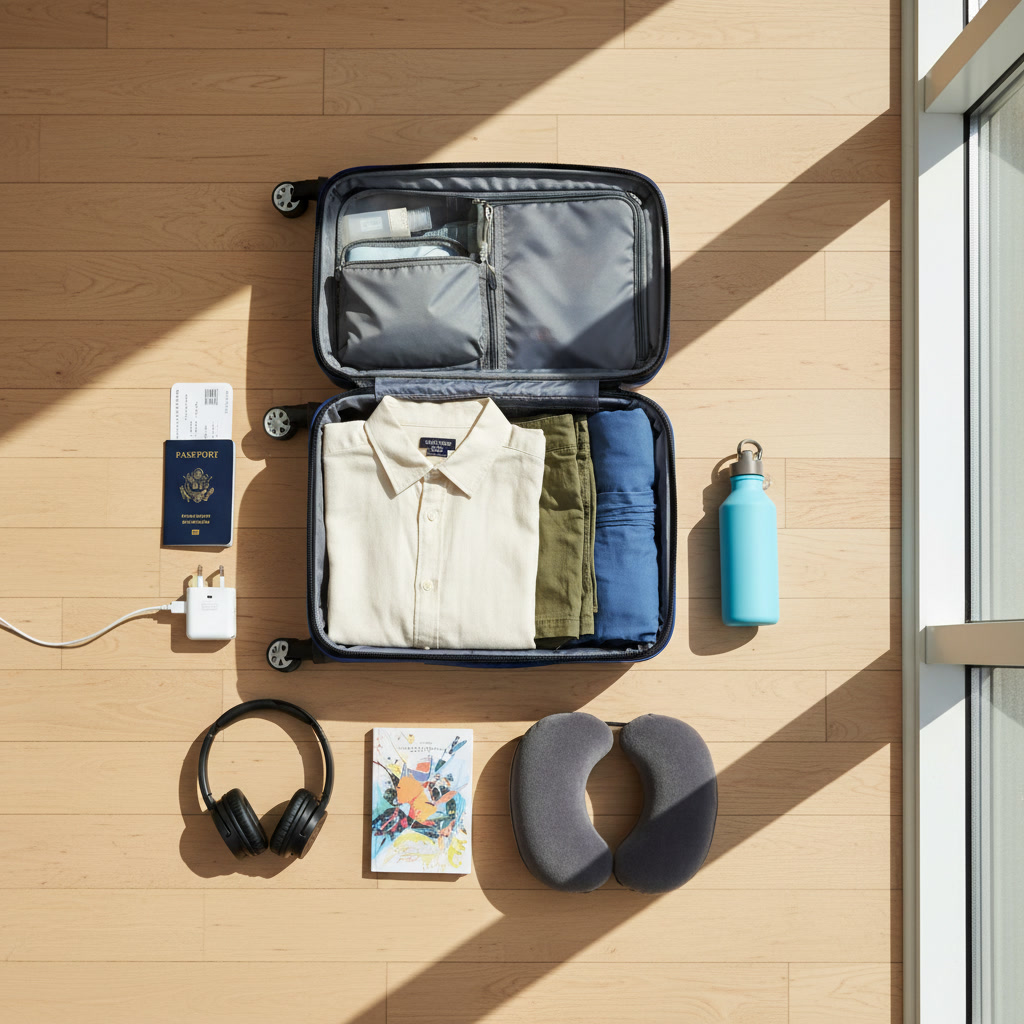
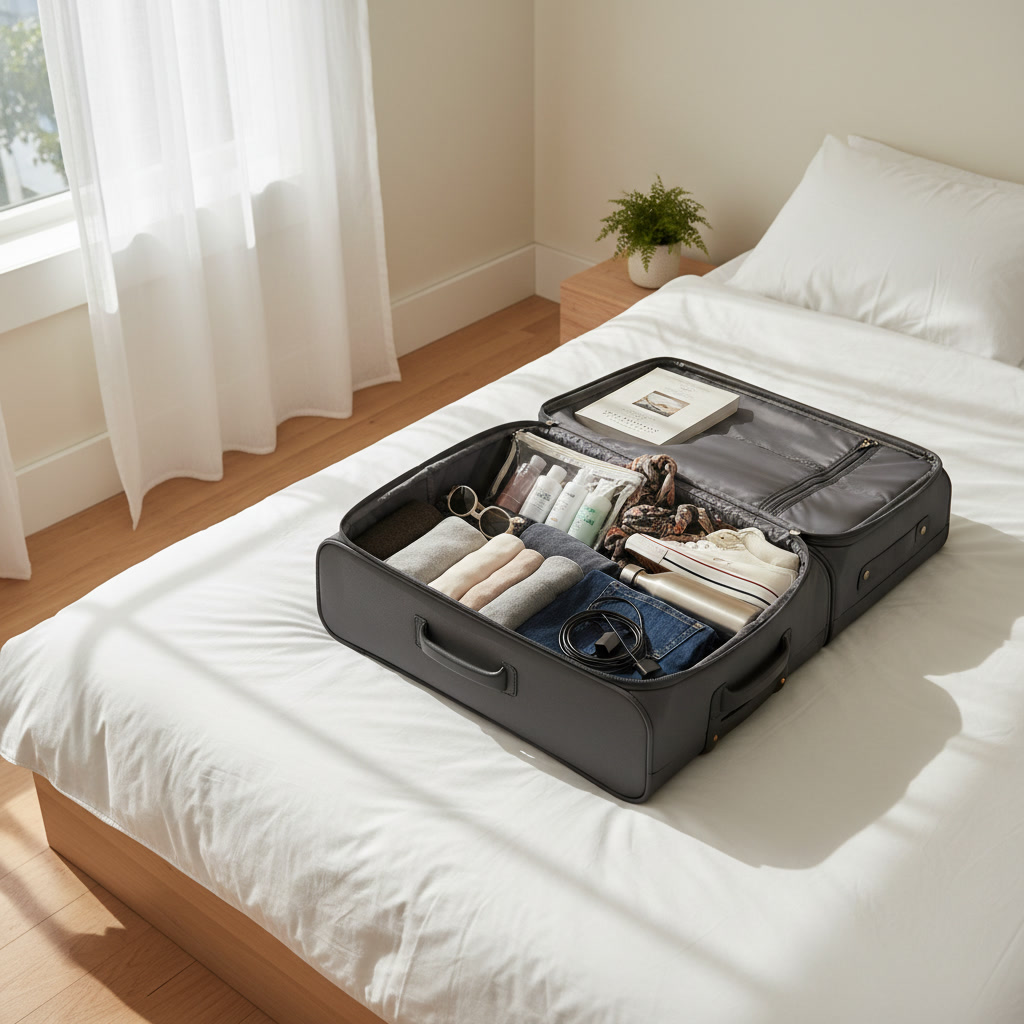
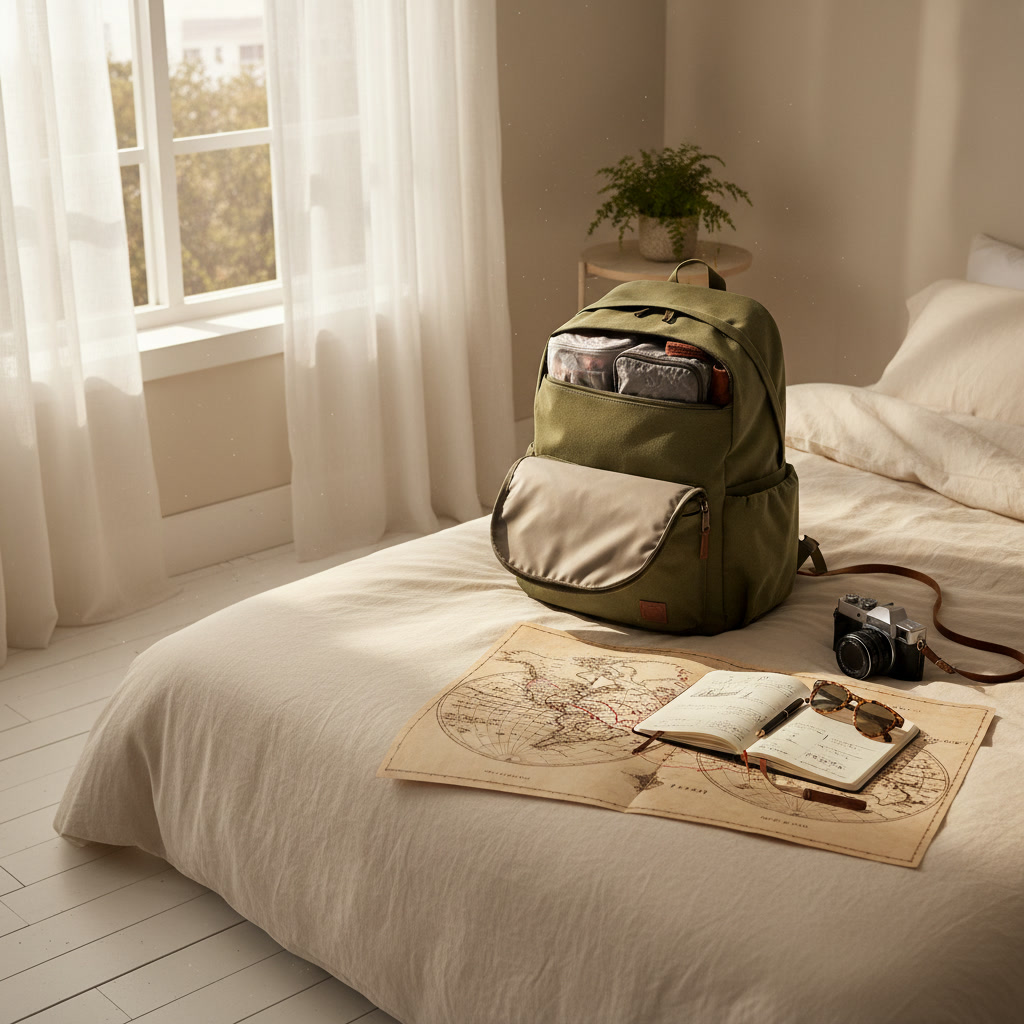
- Prepare for the next day (pack your bag, lay out clothes).
- Do calming activities like reading a physical book, stretching, or meditating.
- Brush your teeth and wash your face to signal bedtime.
2. Setting Up Device-Free Zones
Designate certain areas as device-free, especially your bedroom. Tips:
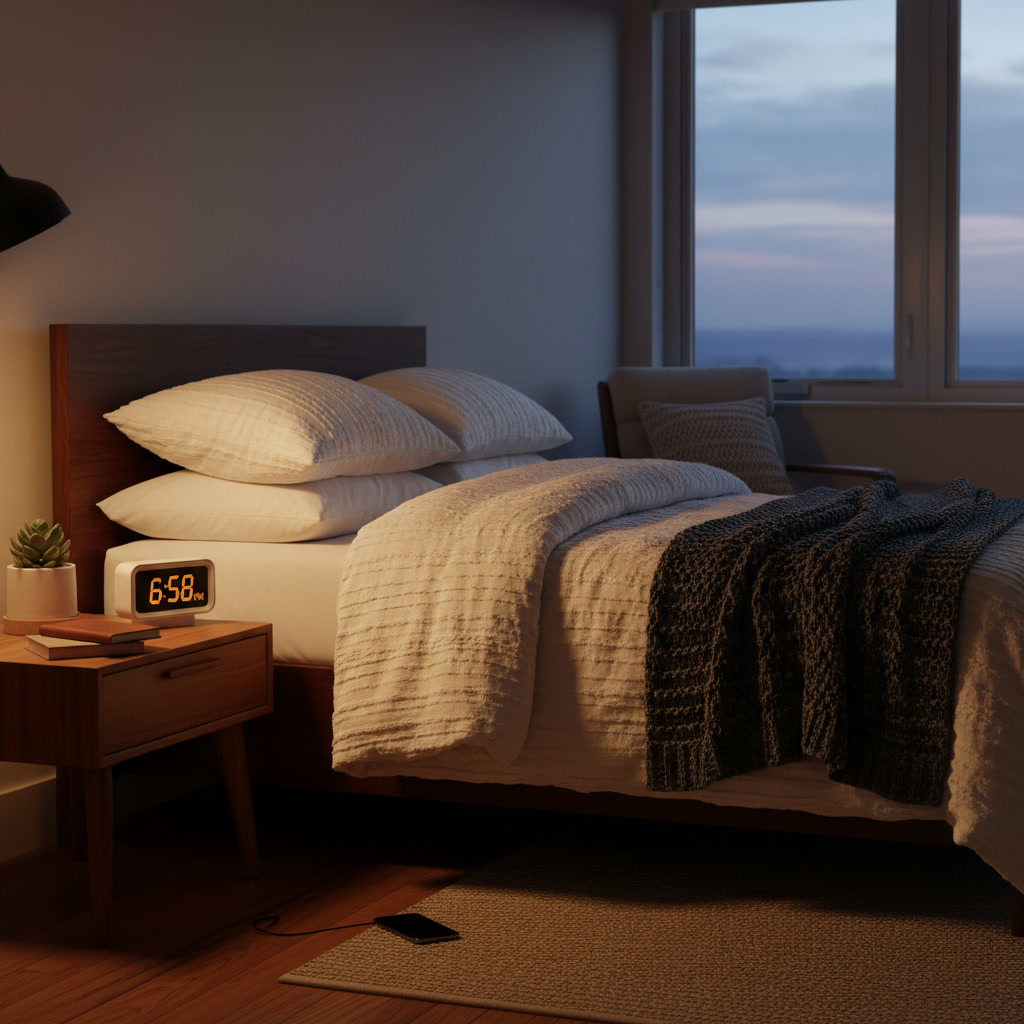
- Charge your phone outside the bedroom.
- Use a traditional alarm clock instead of your phone’s alarm.
- Place a basket outside your door for all family members to drop their devices before bed.
3. Using Wellness Apps to Limit Screen Time
- Install wellness apps like “Screen Time” (iOS) or “Digital Wellbeing” (Android).
- Set daily app limits or bedtime schedules in these apps.
- Enable night modes to reduce blue light if you must use your phone.
4. Alternatives to Phone Usage at Night
Replace phone time with healthy, relaxing habits:
- Read a physical book or magazine
- Listen to calming music or audiobooks with a timer
- Practice writing in a journal
- Try simple breathing exercises or meditation
- Draw, doodle, or do gentle stretches
Building a Supportive Environment for Better Sleep
Family and Partner Involvement
Get your family or partner involved for better results:
- Set a “no phone” rule for the hour before bed
- Create a bedtime routine you share, like reading together or chatting about your day
- Support each other in reaching sleep and wellness goals
Bedroom Optimization for Phone-Free Nights
Transform your bedroom into a sleep-friendly zone:
- Remove all screens – TVs, laptops, tablets, and phones
- Use dim lighting like table lamps or nightlights
- Keep the room cool, quiet, and tidy
- Use comfy pillows and blankets
Coping with Challenges and Setbacks
Dealing with FOMO and Anxiety
Fear of missing out (FOMO) or anxiety can make it hard to put the phone down. To cope:
- Remind yourself that messages and updates can wait until morning
- Practice deep breathing or mindfulness when you feel anxious
- Write down worries in a notebook to clear your mind for sleep
Adjusting Habits for Long-Term Success
Sticking to new habits takes time and patience. Try these tips:
- If you slip up, forgive yourself and start again the next night.
- Track your progress with a sleep diary or app.
- Reward yourself after a week of healthy bedtime habits.
FAQ: How to Stop Using Your Phone Before Bed
- Q: What if I use my phone as an alarm clock? – Try a traditional alarm clock to avoid temptation.
- Q: Can I listen to music or audiobooks to fall asleep? – Yes, set a timer so your device turns off automatically.
- Q: What if I need my phone for emergencies? – Keep your phone in another room with the volume up, so you can hear emergency calls only.
- Q: How long before bed should I stop using my phone? – Experts recommend at least 30-60 minutes before bedtime.
Resources for Further Wellness and Sleep Improvement
- Books: “Why We Sleep” by Matthew Walker
- Websites: Sleep Foundation (sleepfoundation.org), National Institutes of Health Sleep Resources
- Apps: Calm, Headspace, Sleep Cycle