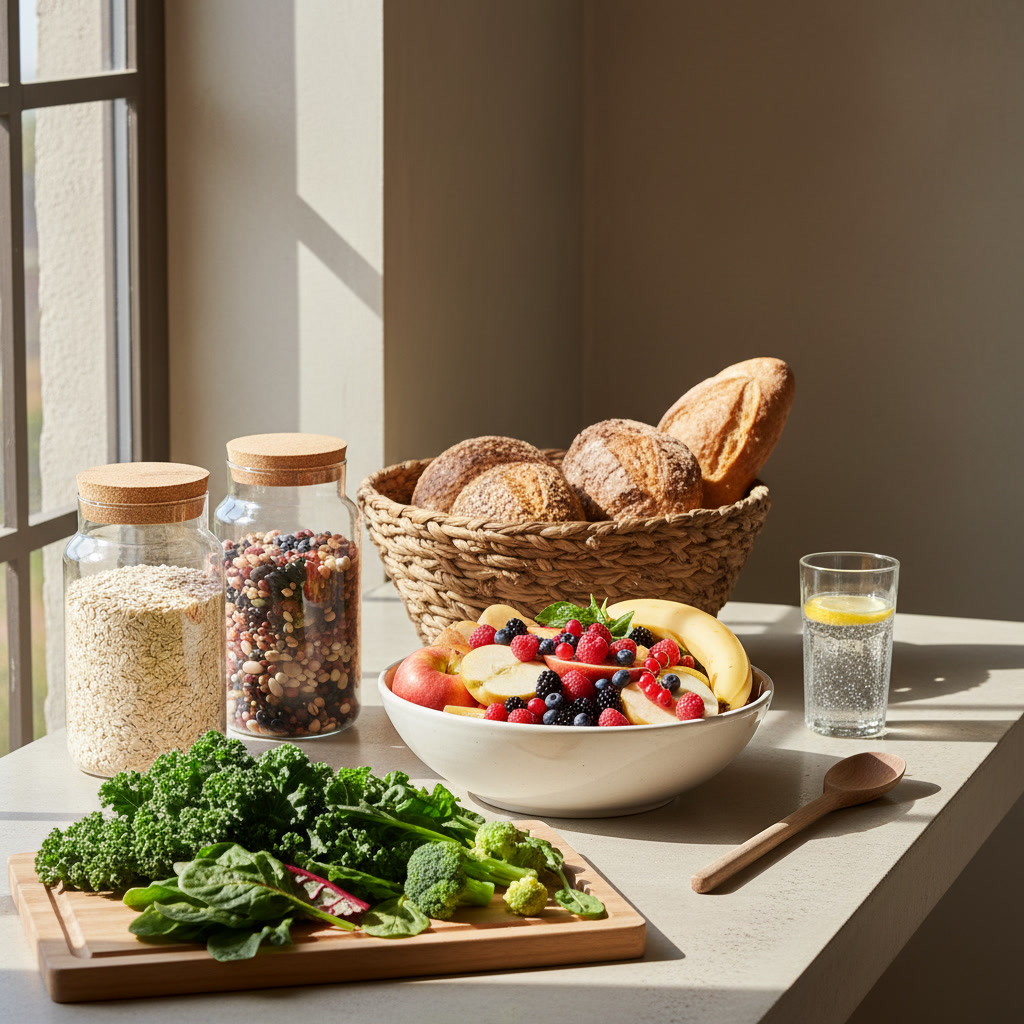
Eating more fiber is one of the simplest steps you can take toward better wellness and health. This guide will show you how to increase your fiber intake using easy, everyday strategies. It’s written for grade 9 reading level and will help you avoid common mistakes, boost your meals, and reach your wellness goals.
Why Fiber Matters for Wellness and Health
Main Benefits of a High-Fiber Diet
- Improves digestion and prevents constipation.
- Helps control blood sugar levels.
- Lowers cholesterol, protecting your heart.
- Promotes feeling full, so you avoid overeating.
- Supports healthy weight management.
How Much Fiber Do You Need in 2026?
Most teens and adults need about 25-30 grams of fiber each day. However, actual needs may vary based on your age, activity level, and health status. Always aim for a steady, daily intake for the best results.
Easy Foods to Increase Your Fiber Intake
Top Fiber-Rich Fruits and Vegetables
- Apples (leave the skin on!)
- Bananas
- Pears
- Carrots
- Broccoli
- Berries: raspberries, strawberries, blueberries
- Avocado
- Sweet potatoes
Whole Grains and Legumes: Everyday Staples
- Whole wheat bread, wraps, and pasta
- Brown rice and quinoa
- Oats (rolled or steel-cut)
- Lentils
- Black beans, kidney beans, chickpeas
- Popcorn (unsalted, air-popped)
High-Fiber Snacks for Busy Lifestyles
- Trail mix with nuts, dried fruits, and seeds
- Fresh veggie sticks (carrot, celery, bell pepper)
- Whole grain crackers with hummus
- Fruit smoothies with spinach or kale
- Greek yogurt with berries and chia seeds
Simple Ways to Add More Fiber to Every Meal
Breakfast Ideas for a Fiber-Filled Start
- Swap white bread for whole wheat toast.
- Add berries or a sliced banana to your cereal or oatmeal.
- Top yogurt with chopped nuts and seeds.
- Blend a smoothie with spinach, oats, and fruit.
- Try a breakfast burrito with beans and veggies.
Quick Lunches with Added Fiber
- Build a sandwich with whole grain bread and extra lettuce, tomato, or avocado.
- Add a side of raw veggies or a small salad to your lunch.
- Pack a wrap filled with beans and fresh veggies.
- Use lentil soup or chili as a quick, fiber-rich meal.
- Include a piece of fruit for dessert.
Dinner Recipes That Boost Your Fiber
- Choose brown rice, quinoa, or whole wheat pasta as your base.
- Add vegetables to stir-fries, casseroles, or pasta dishes.
- Cook chili with extra beans and tomatoes.
- Roast a tray of mixed vegetables as a side.
- Include a dark leafy green salad with your meal.
Practical Tips for Adopting a Higher-Fiber Diet
Reading Nutrition Labels for Fiber Content
- Check the “Dietary Fiber” section for grams per serving.
- Compare items and choose the highest fiber options.
- Look for “whole grain” in the ingredients.
Gradually Increasing Fiber Without Digestive Issues
- Add fiber slowly, about 5 grams extra each week.
- Combine fiber-rich foods with regular meals.
- Monitor how your stomach feels and adjust as needed.
Staying Hydrated When Eating More Fiber
- Drink plenty of water throughout the day.
- Aim for at least 8 cups of fluid daily.
- Herbal teas, milk, and broths also help meet hydration needs.
- Extra fluids help fiber move smoothly through your system.
Common Challenges and Mistakes When Eating More Fiber
Overcoming Picky Eating and Texture Issues
- Try different types and preparations (raw, cooked, blended).
- Mix new foods with favorites (add beans to tacos).
- Blend veggies into sauces or soups.
- Start with small portions and build up gradually.
Balancing Fiber Intake With Other Wellness Goals
- Don’t rely only on supplements for fiber.
- Choose foods that are also low in sugar and saturated fat.
- Balance fiber with adequate protein and healthy fats.
- Watch for signs of digestive discomfort and adjust.
FAQs: Simple Ways to Eat More Fiber in 2026
| Question | Answer |
|---|---|
| Can I get all my fiber from fruit? | No. You also need vegetables, whole grains, and legumes for full benefits. |
| What should I do if fiber upsets my stomach? | Increase fiber slowly and drink more water. If discomfort continues, talk to a doctor. |
| How do I know if a food is really high in fiber? | Check the nutrition label. Foods with 3 or more grams per serving are good sources. |
| Is it okay to use fiber supplements? | Whole foods deliver more health benefits. Supplements are useful only if advised by a professional. |
| Do I need to count fiber grams every day? | No, but aiming for 25-30 grams daily helps build healthy habits. |
Summary: Key Points and Next Steps
- Fiber is essential for overall wellness and health.
- Choose a variety of fruits, vegetables, whole grains, and legumes for fiber.
- Add fiber gradually to avoid digestive problems.
- Drink plenty of water and read nutrition labels to track your intake.
- Try new recipes and meal ideas to make high-fiber eating simple and tasty.
- Review your progress and adjust your plans as needed.
Start today by making small changes. Try swapping one food for a fiber-rich option at your next meal. Keep learning, stay mindful, and enjoy the wellness benefits of a higher-fiber diet in 2026!