Slow travel is a modern travel movement designed to help people explore the world at a relaxed and mindful pace. This guide, made for grade 9 students and beginners, explains the basics, benefits, planning, and myths of slow travel. By reading this, you’ll discover how slow travel leads to a deeper understanding of places, people, and cultures.
Understanding Slow Travel: The Basics
Definition of Slow Travel
Slow travel means taking your time to explore a place, instead of rushing from one tourist spot to another. It's about staying longer in one area, connecting with locals, and appreciating everyday life.
- Traveling slowly rather than fast
- Staying in one place for days or weeks
- Experiencing culture, not just sights
Origins and Philosophy Behind Slow Travel
Slow travel started as part of the slow movement, which began in Italy with “slow food.” The idea is to enjoy life more by doing things at a comfortable pace. It values quality over quantity, focusing on genuine experiences.
Why Slow Travel Matters in 2026
In today’s busy world, people are stressed and tired from rushed vacations. Slow travel matters because:
- It helps people relax
- It protects local cultures and nature
- It supports local businesses and communities
Key Benefits of Slow Travel
Environmental and Sustainable Advantages
Slow travel causes less harm to the planet. By choosing trains, buses, bikes or walking, you reduce your carbon footprint. You also use fewer resources by staying longer and living like a local.
Cultural Immersion and Local Encounters
Living slowly lets you meet people, join festivals, try homemade food, and learn traditions. You become part of the daily community instead of just a visitor.
Mental Health and Wellbeing
Traveling slowly helps lower stress levels. It gives you time to rest, reflect, and form positive memories. Many travelers report feeling happier after slow trips.
Cost-Effectiveness of Slow Travel
Slow travel can cost less. You save money by:
- Renting places long-term
- Eating home-cooked meals
- Using cheaper transport (bus, bike, local trains)
How to Plan Your First Slow Travel Experience
Choosing the Right Destination
- Pick a place that interests you: historical town, countryside, or eco-village
- Check if the area is safe and welcoming
- Look for places with local events, markets, and community experiences
Budgeting for Slow Travel
- Create a daily expenses chart; estimate costs for accommodation, food, and transport
- Compare short-term versus long-term rental prices
- Plan for tickets and entry fees, but focus more on free local experiences
- Set aside emergency funds for unexpected situations
Packing and Preparation Tips
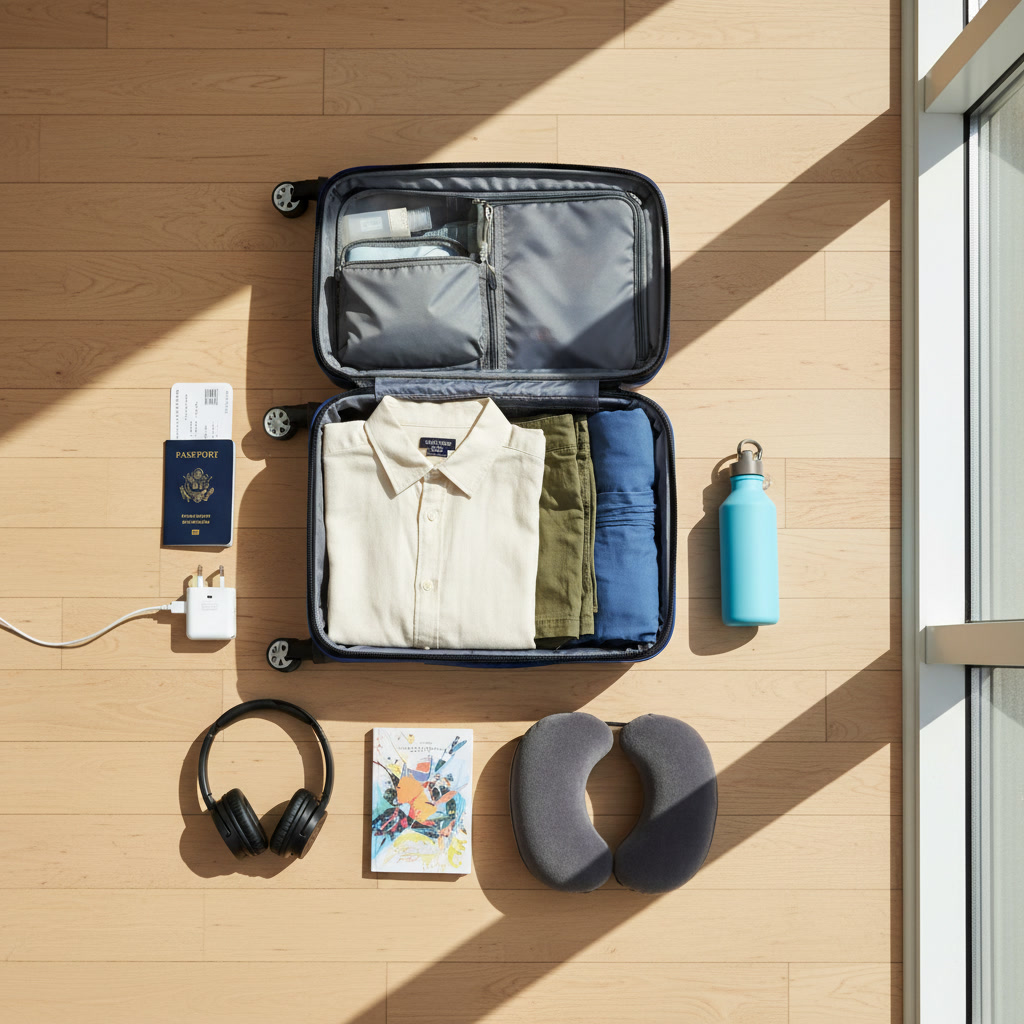
- Pack light: choose comfortable clothes, a reliable backpack, and a water bottle
- Bring travel documents, insurance, and basic medical supplies
- Download maps and language translation apps
- Research weather conditions in advance
Essential Resources and Tools for Slow Travelers in 2026
- Travel guidebooks and community websites
- Mobile apps: real-time maps, translator, budgeting tools
- Local contact numbers and emergency information
- Train, bus, and bike rental apps
Practical Tips for Embracing Slow Travel
How to Travel by Train, Bus, Bike, and On Foot
- Check schedules and routes for trains and buses
- Rent bikes from local shops or online apps
- Plan safe walking routes and ask locals for advice
- Combine modes for flexibility (walk to station, take local train, rent bike at destination)
Finding Authentic Local Experiences
- Visit local markets and community centers
- Attend festivals, concerts, and workshops
- Eat at family-run cafes and restaurants
- Volunteer or join social initiatives if possible
Integrating with the Local Community
- Learn basic greetings and manners in the local language
- Join daily activities (cooking, farming, crafts)
- Respect traditions and follow local rules
- Ask questions and show genuine interest in local stories
Sample Slow Travel Itineraries for Beginners
| Day | Activity Example |
|---|---|
| 1 | Arrival, settle in, meet hosts, explore local surroundings |
| 2 | Visit markets, try local foods, walk around key sites |
| 3 | Attend community event, join a workshop |
| 4 | Explore nature or countryside by bike or foot |
| 5 | Volunteer or participate in local project |
| 6 | Share experiences, relax, prepare for next move |
Common Misconceptions About Slow Travel
Myth vs. Reality: Slow Travel Is Only for Retirees
Many think slow travel is just for older people, but actually, all ages can enjoy it. High school students, young adults, families and solo travelers can all benefit.
Does Slow Travel Mean More Expensive Trips?
While some costs may be higher (like longer stays), many expenses are lower because you live more like a local, cook your own food, and avoid tourist traps.
Is Slow Travel Safe and Accessible for Everyone?
Yes, but planning is important. Choose safe destinations, research local customs, and read reviews. Consider special needs or accessibility options for all travelers.
Inspiring Slow Travel Destinations for 2026
Top Slow Travel Friendly Countries
- Italy: Scenic villages, historic sites, famous for the slow movement
- Japan: Countryside, tea ceremonies, friendly trains for slow travel
- New Zealand: Eco-tourism, hiking, welcoming communities
- Portugal: Relaxed coastal towns, cultural events
Underrated Cities and Countryside Escapes
- The mountains of Romania
- The lakes of Finland
- The villages of Mexico
- The farms of South Korea
How to Find Hidden Gems Off the Beaten Path
- Ask locals and community leaders
- Use slow travel websites and blogs
- Read traveler reviews and look for less-known spots
- Join social media groups focused on slow travel
FAQ: Slow Travel for Beginners
How Much Time Should You Allocate?
Slow travel can last from a week to several months. Try to spend at least a few days in each place to really understand local life.
Can You Work Remotely While Slow Traveling?
Yes. Many people use online jobs or remote work to support their slow travel lifestyle. Find a place with stable internet and set work hours to balance travel and work.
Summary: Key Takeaways and Next Steps
- Slow travel means exploring at a calm pace, focusing on culture and community
- It’s good for the environment, your mental health, and your budget
- Anyone can enjoy slow travel, regardless of age or background
- Start by choosing a destination, planning your budget, and preparing wisely
Begin your slow travel adventure by picking your first destination, preparing your essentials, and exploring the world one step at a time. Embrace local life, respect cultures, and enjoy meaningful experiences on your journey!